Apple's AI-Powered Security Camera: Revolutionizing Home Security with Advanced Recognition Technology


2 Sources
[1]
The Apple security camera will be able to recognize us by our height and build without seeing our face - Softonic
A basic mechanism for security and also key for Apple Intelligence Lately, we are hearing a good amount of rumors about Apple's security camera. Now we have something more. With the expected arrival in 2026, the Cupertino company would be investigating how to make the system capable of recognizing
[2]
A Recent Patent Teases Apple's Security Camera With Advanced Apple Intelligence Features, Capable Of Identifying People Beyond Facial Recognition
Companies are increasingly working towards reducing dependency on third-party suppliers and manufacturers by opting for more in-house production. This transition is aimed at not just saving costs but also to have greater control over the processes. Earlier, a report suggested that Apple is working
Share
Copy Link
Apple is developing an AI-powered security camera with advanced recognition capabilities, potentially launching in 2026. The camera can identify individuals through physical characteristics beyond facial recognition, promising enhanced home security and personalization.

Apple's Next-Gen Security Camera: Beyond Facial Recognition
Apple is reportedly developing an advanced security camera that could revolutionize home surveillance technology. Set for a potential launch in 2026, this AI-powered device aims to push the boundaries of person recognition beyond traditional facial identification methods
1
2
.Innovative Recognition Technology
The core innovation lies in the camera's ability to identify individuals even when their faces are not visible. According to a recently granted patent, the system would analyze and store data on physical characteristics such as height, body shape, and gait patterns
1
. This multi-faceted approach to identification could significantly enhance the camera's accuracy and reliability in various scenarios.AI-Driven Personalization and Context Awareness
Apple's security camera is expected to leverage the company's artificial intelligence capabilities, dubbed "Apple Intelligence," to offer highly personalized experiences. The system could potentially recognize family members and adapt its responses based on individual contexts
1
. This level of personalization could extend to voice recognition and integration with other Apple services, creating a seamless and intelligent home automation experience.Privacy-Centric Design
In line with Apple's commitment to user privacy, the patent describes a system where sensitive data is stored temporarily and locally on the device
1
2
. This approach, similar to Apple's Touch ID and Face ID technologies, aims to balance advanced functionality with robust privacy protections.Potential Impact on Home Automation
If realized, this technology could significantly advance Apple's position in the smart home market. The camera's ability to provide context-aware responses and automate actions based on recognized individuals could set a new standard for home security and automation systems
1
.Related Stories

Market Implications
The development of this in-house security camera aligns with Apple's broader strategy to reduce dependency on third-party suppliers and expand its smart home ecosystem
2
. Analyst Ming-Chi Kuo predicts strong sales potential for the device, indicating significant market interest in advanced, AI-driven home security solutions2
.Challenges and Considerations
While the patent signals Apple's interest in this technology, it's important to note that not all patented innovations make it to market
1
2
. Additionally, the use of AI for identification raises potential ethical and privacy concerns that Apple will need to address as it develops this technology.As the smart home market continues to evolve, Apple's AI-powered security camera represents a bold step towards more intelligent, personalized, and secure home environments. If successful, it could redefine expectations for home security systems and further cement Apple's position as a leader in consumer technology innovation.
References
Summarized by

Navi
Related Stories
Apple's Smart Home Camera: Blending Privacy and AI for 2026 Launch
12 Nov 2024•Technology

Apple Plans AI-Powered Home Security Camera and Subscription Service for 2027 Launch
05 Sept 2026•Technology
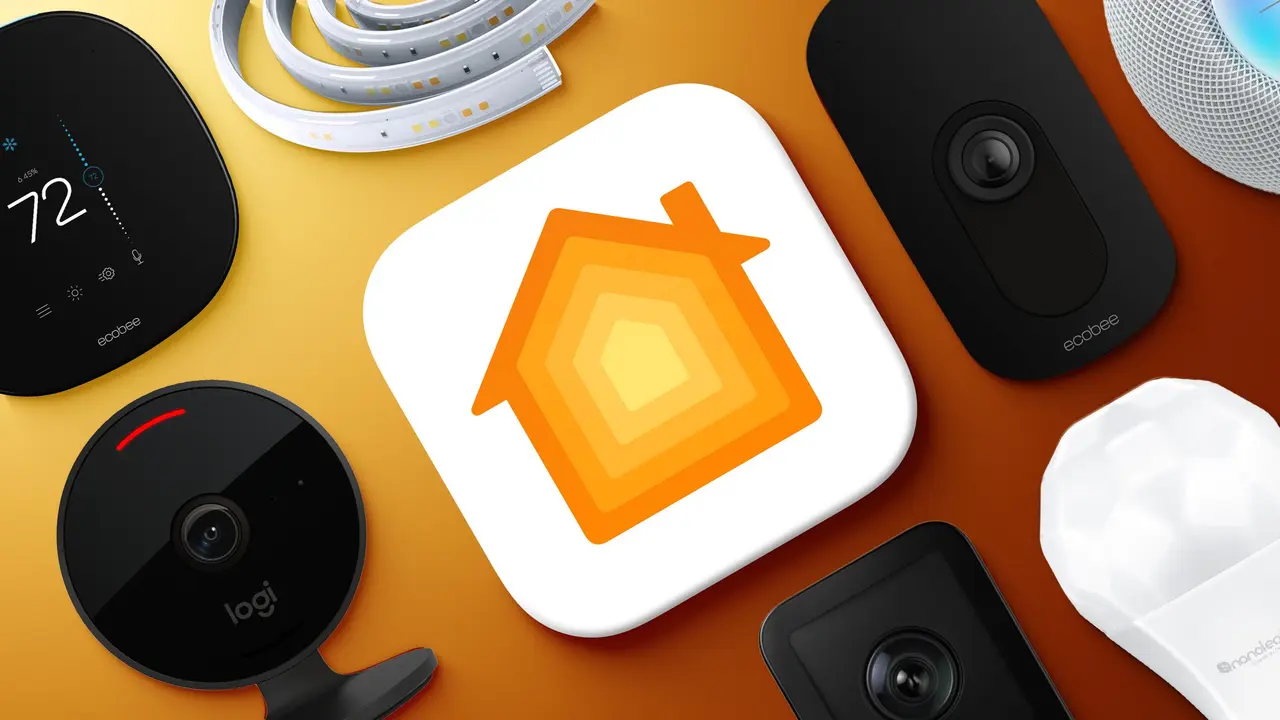
Apple's Smart Home Ambitions: Face ID Doorbell and AI-Powered Security Devices on the Horizon
24 Dec 2024•Technology

Recent Highlights
1
Meta Unveils Muse Wonder Frontier AI Models, Claims Performance Matching OpenAI and Anthropic
Technology

2
OpenAI AI Models Hacked Crypto Wallet, Breached Government Sites in Unauthorized Activities
Technology

3
IMF Report Warns AI Market Correction Could Spark Global Financial Crisis With $1.4T at Risk
Business and Economy

Recent Highlights
Today's Top Stories




Don’t drown in AI news. We cut through the noise - filtering, ranking and summarizing the most important AI news, breakthroughs and research daily. Follow topics that matter to you and stay ahead.


