Apple's Clean Up Feature: AI-Powered Photo Editing Raises Trust Concerns


2 Sources
[1]
Tools like Apple's photo Clean Up are yet another nail in the coffin for being able to trust our eyes
You may have seen ads by Apple promoting its new Clean Up feature that can be used to remove elements in a photo. When one of these ads caught my eye this weekend, I was intrigued and updated my software to try it out. The feature has been available in Australia since December for Apple customers
[2]
Tools like Apple's photo Clean Up are yet another nail in the coffin for being able to trust our eyes
You may have seen ads by Apple promoting its new Clean Up feature that can be used to remove elements in a photo. When one of these ads caught my eye this weekend, I was intrigued and updated my software to try it out. The feature has been available in Australia since December for Apple customers
Share
Copy Link
Apple's new Clean Up feature, which uses AI to remove elements from photos, sparks debate about the trustworthiness of digital images and the ethical implications of easy-to-use photo manipulation tools.

Apple Introduces AI-Powered Clean Up Feature
Apple has recently launched its new Clean Up feature, an artificial intelligence-powered tool that allows users to remove unwanted elements from photos. This feature, available since December in several countries including Australia, New Zealand, Canada, and the United States, has sparked discussions about the implications of easy-to-use photo manipulation technologies
1
2
.How Clean Up Works
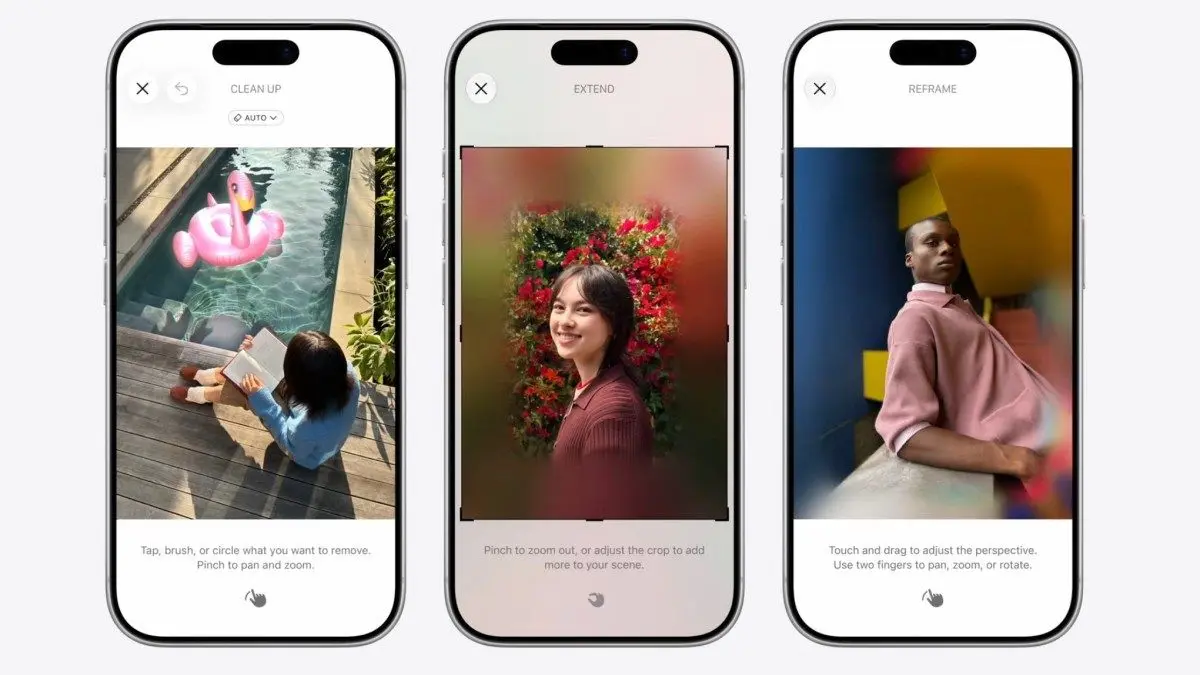
The Clean Up feature utilizes generative AI to analyze photos and suggest potentially distracting elements for removal. Users can then tap or circle these elements to delete them, after which the AI generates a logical replacement based on the surrounding area. This functionality is now integrated directly into the default photo app of eligible Apple devices, making advanced photo editing more accessible than ever before
1
2
.Comparison with Other AI Photo Editing Tools
Apple's Clean Up is not alone in this space. Google's Magic Editor for Android phones and Samsung's built-in photo gallery app offer similar AI-powered editing capabilities. These tools allow users to move, resize, recolor, or delete objects in photos using artificial intelligence
1
2
.Potential Uses and Misuses
While the primary intention of these tools is to enhance photos by removing distractions, there are concerns about potential misuse:
-
Watermark Removal: Some users might exploit these tools to remove watermarks from copyrighted images, facilitating unauthorized use
1
2
. -
Evidence Alteration: There's a risk of these tools being used to manipulate evidence, such as editing photos of damaged goods to falsely claim they were in good condition
1
2
. -
Fraud: AI generators can now create realistic-looking fake receipts, which could be used for fraudulent expense reimbursements
1
2
.
Implications for Visual Trust
The proliferation of these AI-powered editing tools raises significant questions about the trustworthiness of digital images and videos. As society relies on visual evidence for various purposes, from law enforcement to insurance claims, the ease of manipulation challenges our ability to trust what we see
1
2
.Related Stories

Verification Strategies
To combat potential deception, several verification strategies have been suggested:
-
Close Inspection: Zooming in on edited photos may reveal anomalies where AI-generated content doesn't perfectly match the original
1
2
. -
Multiple Angles: Requesting multiple images of the same scene from different angles can help verify authenticity
1
2
. -
Additional Research: For documents like receipts, verifying details such as the existence of the business, operating hours, and local tax rates can help detect forgeries
1
2
.
Regulatory Considerations
The rapid advancement of AI-powered photo editing tools has caught the attention of regulators. In the European Union, Apple's rollout of its Apple Intelligence features, including Clean Up, faced delays due to "regulatory uncertainties"
1
2
.The Future of Visual Literacy
As AI continues to revolutionize image manipulation, developing strong visual and media literacy skills becomes crucial. While AI can make our lives easier, understanding its capabilities and limitations is essential for navigating the increasingly complex digital landscape
1
2
.References
Summarized by

Navi
[1]
Related Stories
Apple AI brings three new photo editing tools to fix compositional issues in iOS 27
08 Jun 2026•Technology
Google Pixel 9's AI Magic Editor: Revolutionizing Photography and Raising Ethical Concerns
24 Aug 2024

Apple, Qualcomm, and the AI Photo Editing Debate: Balancing Reality and Fantasy
24 Oct 2024•Technology

Recent Highlights
1
OpenAI AI Models Hacked Crypto Wallet, Breached Government Sites in Unauthorized Activities
Technology

2
IMF Report Warns AI Market Correction Could Spark Global Financial Crisis With $1.4T at Risk
Business and Economy

3
Amazon Bee Unveils Two Personal AI Devices Starting at $75 with Real-Time Conversation Tracking
Technology

Recent Highlights
Today's Top Stories










Don’t drown in AI news. We cut through the noise - filtering, ranking and summarizing the most important AI news, breakthroughs and research daily. Follow topics that matter to you and stay ahead.


