Glass cloth shortage emerges as AI boom drains supply, leaving Apple and Nvidia scrambling


3 Sources
[1]
Glass cloth could be the next great AI shortage, as major manufacturers scramble to secure critical material -- Japanese manufacturer courted by Apple, Nvidia, Google, and Amazon
Alongside memory, power, water, and political capital, AI data center builders and major component manufacturers are now contending with a new bottleneck in their supply chains: Glass cloth. As Nikkei Asia reports, major tech companies like Apple, Amazon, Google, and Nvidia are all tussling over
[2]
Apple faces critical shortage as AI boom strains supply chain - 9to5Mac
Nikkei Asia reports that Apple has been scrambling to solve a glass cloth shortage, with the supply crunch projected to last until at least the second half of 2027. Here's what that means. According to Nikkei Asia, Apple was one of the first companies to turn to glass cloth fiber as part of the
[3]
Apple Struggling With Key Material Shortage as AI Chips Drain Supply
Apple is confronting a newly intensified supply-chain challenge for future chips as the AI boom has created a global shortage of a key material, Nikkei Asia reports. Apple is said to be struggling to secure sufficient supplies of high-end glass cloth fiber, a material that plays a critical role in
Share
Copy Link
A critical glass cloth shortage is threatening AI chip production as Apple, Nvidia, Google, and Amazon compete for limited supplies from Japanese manufacturer Nitto Boseki. The supply crunch, driven by surging AI data center demand, won't ease until 2027. Tech giants are dispatching executives to Japan while racing to qualify alternative suppliers.
Glass Cloth Shortage Emerges as Critical Supply Chain Bottleneck
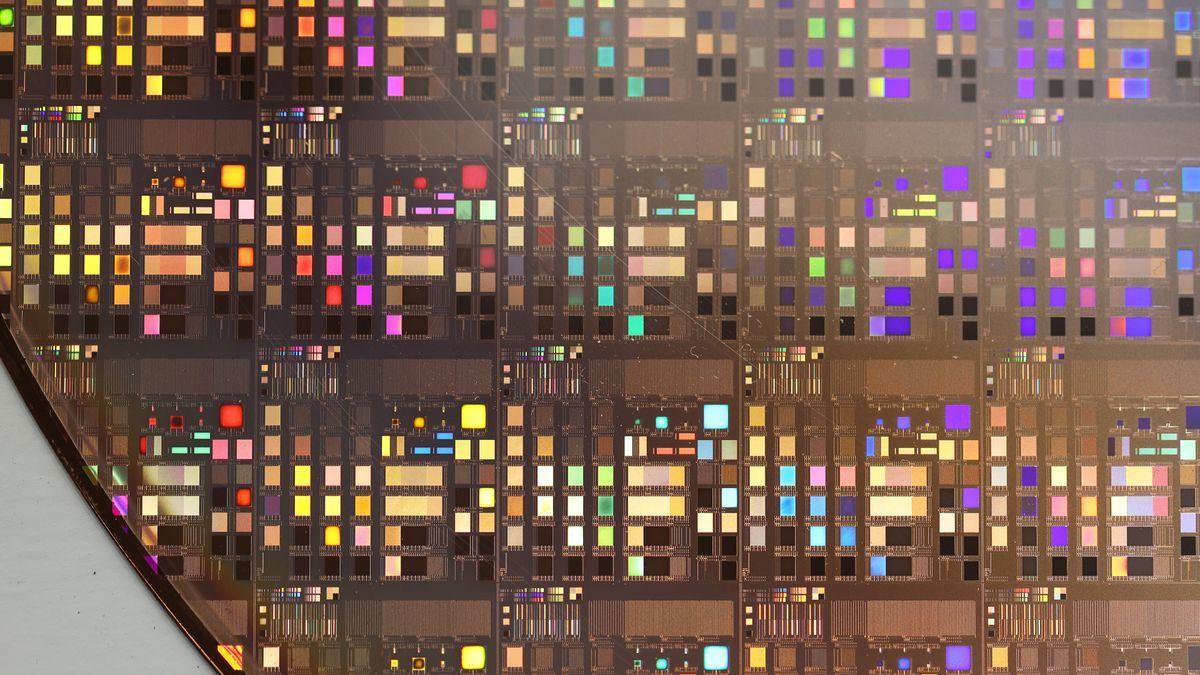
A new supply chain challenge is unfolding across the tech industry as major companies confront an acute glass cloth shortage that threatens to constrain production of AI chips and consumer devices through 2027. Apple, Nvidia, Google, Amazon, AMD, and Qualcomm are all competing for limited supplies of high-end glass cloth fiber, a vital component in chip substrates and printed circuit boards (PCBs) that enable high-speed data transmission in advanced processors
1
. The shortage of high-spec glass cloth has emerged as what one industry source described to Nikkei Asia as "one of the biggest bottlenecks for the electronics-making and AI industry for 2026"1
.
Source: Tom's Hardware
Nitto Boseki Controls Advanced Glass Cloth Production
At the center of this supply crisis sits Nitto Boseki, a Tokyo-based textile and fiberglass manufacturer with net income just over $37 million last year, now courted by tech giants worth hundreds of times its value
1
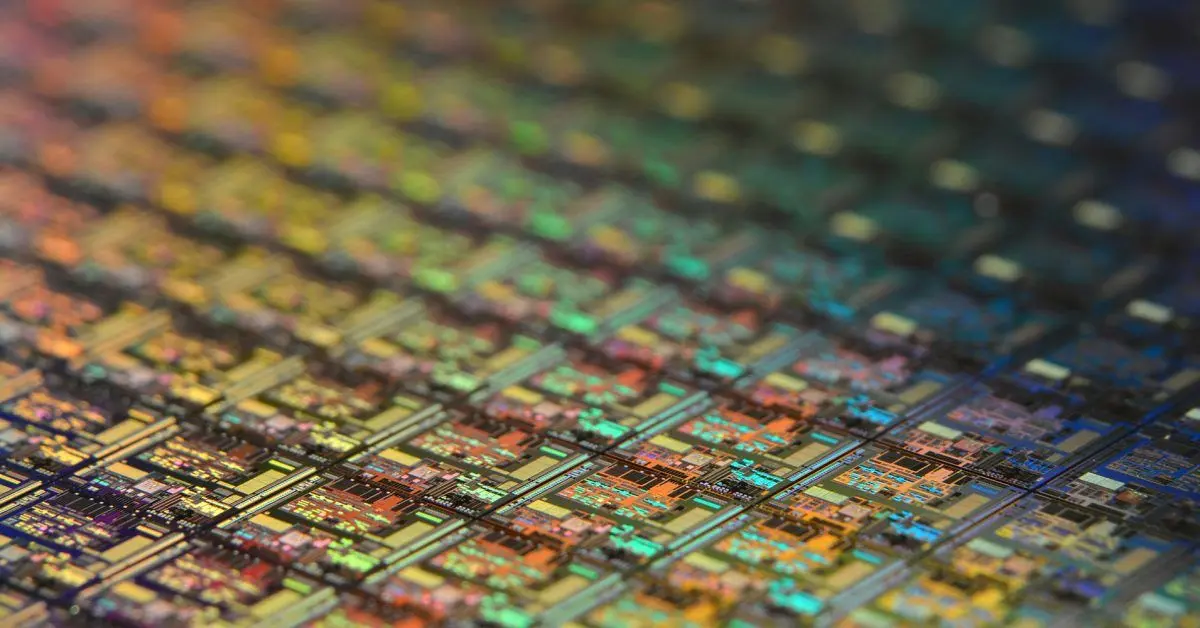
. Nitto Boseki produces the most advanced forms of low-coefficient-of-thermal-expansion (CTE) glass, colloquially known as T-Glass, almost exclusively. This specialized material features strong, rigid fibers that facilitate high-speed data transmission, making it ideal for latest-generation processors and AI data centers1
. Together with fellow Japanese manufacturers Asahi Kasei and Asahi Glass, Nitto Boseki collectively controls over 70% of the glass fiber market and the vast majority of advanced glass cloth production1
.
Source: 9to5Mac
AI Boom Drives Unprecedented Demand from Component Manufacturers
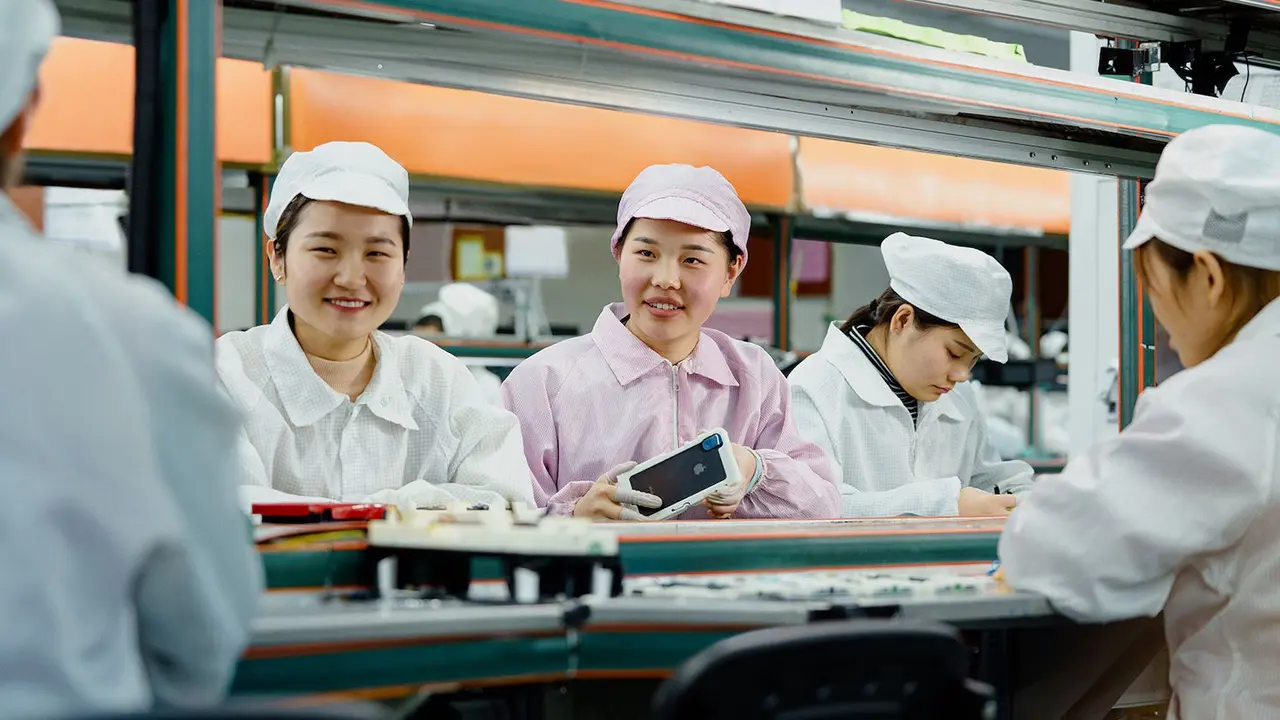
The AI boom has fundamentally altered demand dynamics for this critical material. Apple was among the first companies to adopt glass cloth fiber as part of the substrate for iPhone chips, valuing its dimensional stability, rigidity, and ability to facilitate high-speed data transmission
2
. However, as AI chips drain supply for data centers, companies such as Nvidia, Google, and Amazon have moved aggressively into the same supply pool, placing unprecedented pressure on Nitto Boseki's limited capacity3
. This strains supply chain operations across the industry, adding to existing bottlenecks in memory, GPUs, power, and water needed to build and operate AI infrastructure1
.
Source: MacRumors
Tech Giants Dispatch Executives to Secure Supplies
In response to the escalating crisis, major tech companies have taken extraordinary measures. Apple reportedly sent representatives to Japan last autumn, stationing them at Mitsubishi Gas Chemical, which produces substrate materials using Nitto Boseki's glass cloth
2
3
. These meetings included interactions with Japanese government officials to secure a greater share of production1
. Nvidia and AMD have similarly dispatched staff to Nitto Boseki's headquarters to negotiate more favorable deals1
. However, these efforts have proven largely futile. As one source told Nikkei Asia, "No additional capacity is no additional capacity, even if you pressure Nittobo"2
.Related Stories

Alternative Suppliers Face High Technological Barriers
Apple is working to cultivate alternative sources, including engaging with Grace Fabric Technology (GFT), a small Chinese glass fiber maker, and asking Mitsubishi Gas Chemical to help oversee quality improvements
2
3
. Qualcomm has visited alternative Japanese glass cloth developer Unitika, though its production levels remain far below Nitto Boseki's1
. The technological barriers to entry remain extremely high—every glass fiber must be thinner than a human hair, perfectly round, and free of any bubbles2
. Because glass cloth is embedded deep inside chip substrates and cannot be repaired or replaced after assembly, no tech giant is willing to risk mounting high-end chips on substrates that could compromise product quality2
.Relief Not Expected Until 2027 as AI Industry Growth Continues
Nikkei Asia reports that supply issues won't be alleviated until 2027, when Nitto Boseki's strategic partnership with Nan Ya Plastics, a glass cloth manufacturer operating under Taiwan's Formosa Plastics Group, is expected to yield results
1
. By 2027, Nan Ya Plastics claims it will be able to produce around 20% of the specialty fibers currently produced by Nitto Boseki1
. The supply crunch is projected to last until at least the second half of 20272
. This extended timeline matters significantly for companies racing to deploy AI infrastructure and launch next-generation consumer devices, as any constraints on glass cloth availability directly impact their ability to manufacture chips at scale and meet market demand driven by accelerating AI industry growth.References
Summarized by

Navi
Related Stories
Apple price increases loom as Tim Cook calls AI memory demand 'unsustainable'
18 Jun 2026•Business and Economy

Memory Chip Shortage to Intensify Through 2027 as AI Demand Pushes Prices Up 5-6x
31 Jul 2026•Business and Economy

AI Boom Triggers Memory Shortage, Pushing PC and Smartphone Prices Up 23% by Fall 2026
29 Jan 2026•Business and Economy

Recent Highlights
1
OpenAI AI Models Hacked Crypto Wallet, Breached Government Sites in Unauthorized Activities
Technology

2
IMF Report Warns AI Market Correction Could Spark Global Financial Crisis With $1.4T at Risk
Business and Economy

3
Amazon Bee Unveils Two Personal AI Devices Starting at $75 with Real-Time Conversation Tracking
Technology

Recent Highlights
Today's Top Stories











Don’t drown in AI news. We cut through the noise - filtering, ranking and summarizing the most important AI news, breakthroughs and research daily. Follow topics that matter to you and stay ahead.


