AI Server Demand Creates PCB Shortages, Pushing Lead Times to 30 Months for PC Makers


3 Sources
[1]
The AI hardware crunch has reached the humble circuit board
Serving tech enthusiasts for over 25 years. TechSpot means tech analysis and advice you can trust. Ripple effect: PC makers have spent most of this year chasing memory and graphics chips as AI data centers bought up whatever they could. Now the circuit boards those chips sit on are reportedly
[2]
AI demand is now also tightening PCB supply, reported lead times reaching 30 months
Nikkei Asia interviews describes mounting pressure on printed circuit board supply as AI infrastructure competes with consumer electronics for manufacturing capacity and materials. The figures are attributed to industry executives and suppliers, including anonymous sources, rather than a public
[3]
PCB shortages are hitting PC makers due to AI server demand, with some orders taking up to 30 months to fulfill
With PCB suppliers shifting capacity toward AI servers, motherboards, graphics cards, and laptops could face further price pressure next year. First it was memory. Then GPUs and SSDs. Now the humble printed circuit board (PCB) is joining the list. According to a Nikkei Asia report, PC makers are
Share
Copy Link
AI infrastructure buildout is straining the printed circuit board supply chain, with some orders now facing 30-month lead times. PC makers struggle to secure PCBs as manufacturers prioritize high-margin AI server boards, while copper-clad laminate costs have surged at least twelvefold since July.
AI Server Demand Reshapes Circuit Board Supply Chain
The AI hardware crunch has reached a critical component that powers every electronic device: the printed circuit board. PC makers including HP and Dell are now struggling to secure enough PCBs for their 2027 lineups, according to
1
1
. One unnamed executive at an American PC maker told the publication that "even though PC shipments could decline again next year, we are still struggling to secure enough PCB supplies to meet our needs." The printed circuit board supply is being diverted to AI data centers, where cloud giants are willing to pay premium prices for the complex, multi-layer boards that power AI servers.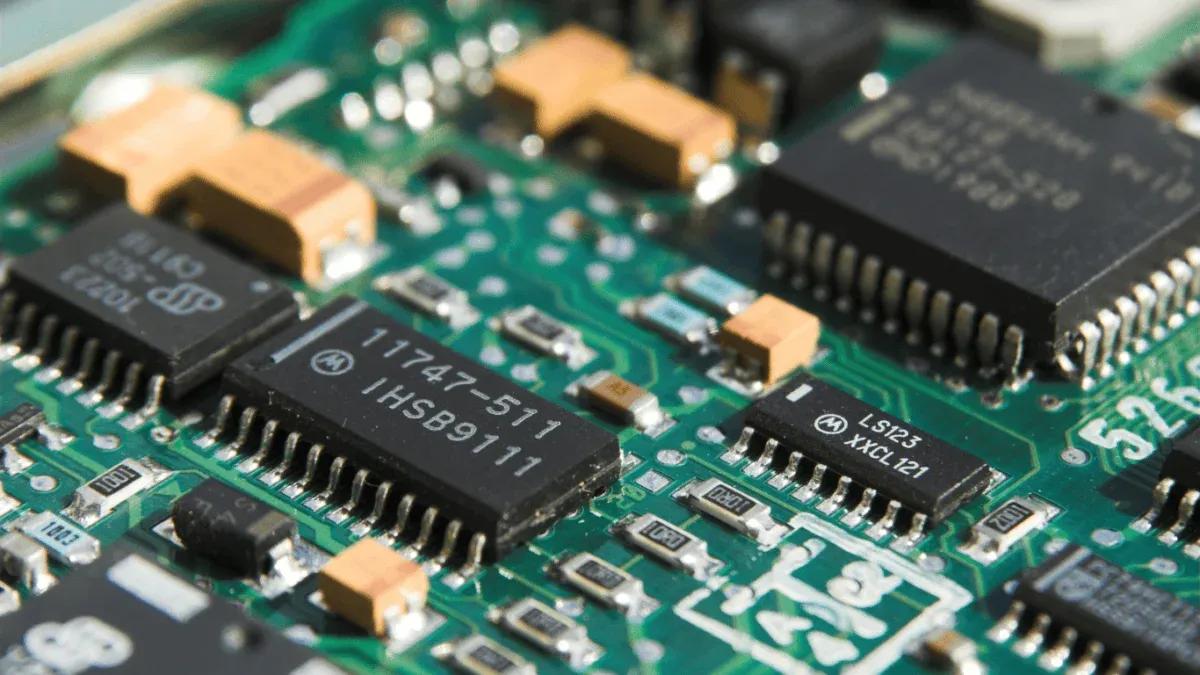
Source: TweakTown
Extended Lead Times Reach Unprecedented Levels
The supply chain challenges have pushed lead times to alarming lengths. One PCB manufacturer reported that lead times for a significant number of products had doubled, with
2
2
. Another supplier stated that an order placed today would not arrive until late 2028. These extended lead times stem from the fundamental difference between consumer and AI server boards. A high-end AI server board can stack dozens of layers of low-loss laminate and specialty glass fabric, tying up far more material and manufacturing capacity than a desktop motherboard ever would.Copper-Clad Laminate Costs Surge Twelvefold
The upstream materials crisis is equally severe. One Taiwanese PC maker reported that copper-clad laminates now cost at least 12 times what they did in July, according to
3
3
. Every circuit board starts as a sheet of copper-clad laminate, composed of glass fiber, resin, and copper foil. One of the world's largest laminate suppliers reportedly has its order book stretching into 2030, despite plans to triple its capacity by 2028. This material shortage affects not just finished boards but also chip substrates, the tiny PCB-like layers that CPUs and GPUs are mounted on.Cloud Giants Invest Directly in Manufacturing Capacity
The intensity of AI demand has driven cloud providers to secure supply through direct investment. Amazon purchased a roughly NT$1.59 billion stake in Taiwanese board maker Gold Circuit Electronics in September, signaling how critical PCB access has become for AI infrastructure buildout. NVIDIA has similarly lined up partnerships with substrate makers Ibiden, Samsung Electro-Mechanics, and Unimicron. Unimicron plans to expand its manufacturing capacity 2.5 times over the next three years to meet the surge in AI server demand.
Labor Shortages Compound Supply Chain Challenges
New factories won't resolve the crisis quickly because the industry faces a severe shortage of skilled engineers. The scramble to hire experienced PCB staff has pushed pay across the industry up by 20% to 30%. This labor constraint means that even planned capacity expansions will take time to come online and reach full production efficiency. The combination of material shortages, capacity constraints, and workforce limitations creates a multi-year challenge for the circuit board supply chain.
Related Stories

Impact Extends Beyond PC Makers to Consumer Electronics
The PCB shortages are affecting more than just PC makers and consumer electronics manufacturers. Canon reported this week that AI-driven shortages of boards and mounted components have disrupted production since August. The camera and medical equipment maker now expects to lose approximately ¥90 billion in medical equipment sales this year due to these supply constraints. This demonstrates how AI demand is creating ripple effects across multiple industries that rely on printed circuit boards.

Source: TechSpot
Motherboards and Graphics Cards Face Price Pressure
For PC hardware, PCBs form the foundation of motherboards and graphics cards, as well as many power supplies, storage devices, and peripherals. With production lines shifting toward server and accelerator work, consumer products are being pushed to the back of the line. PC buyers are already paying for previous shortages, as memory and storage prices have climbed throughout the year. Gartner predicts that sub-$500 PCs could disappear by 2028. Even an RTX 5080 now sells for close to $2,000 at US retailers, reflecting the compounding effect of component shortages.
Future Outlook Remains Uncertain Despite Capacity Plans
While Acer's CEO believes PC prices could fall by 2027, a board ordered today might not even ship by then given current lead times. The timing creates a planning challenge for PC makers who must commit to product roadmaps years in advance without certainty about component availability. Capacity expansion may eventually help, but it depends on upstream material availability and takes considerable time to implement. The evidence suggests this is an early supply-chain warning rather than an immediate consumer-product shortage, but it represents another pressure point in the bill of materials alongside rising memory and graphics costs. Watch for direct statements from PC component makers about product delays and pricing as the situation develops through 2025.
References
Summarized by

Navi
Related Stories
CPU shortage intensifies as AI demand diverts Intel and AMD processors to data centers
25 Mar 2026•Business and Economy
AI Boom Triggers Memory Shortage, Pushing PC and Smartphone Prices Up 23% by Fall 2026
29 Jan 2026•Business and Economy

AI Demand Triggers Memory Crisis: DRAM Prices Surge 50% as Supply Chain Buckles
23 Oct 2025•Business and Economy
Recent Highlights
1
Anthropic AI Development Doubles Speed as Self-Improving Systems Near Breakthrough
Technology

2
Google's AI Policy Forces Schools to Accept AI Overviews or Lose Search Access Entirely
Technology

3
Jensen Huang Scandal: Nvidia CEO's Alleged Relationship with Chinese Spy Threatens US AI Dominance
Policy and Regulation

Recent Highlights
Today's Top Stories





Don’t drown in AI news. We cut through the noise - filtering, ranking and summarizing the most important AI news, breakthroughs and research daily. Follow topics that matter to you and stay ahead.


