Apple's smart glasses delayed to late 2027 as Meta extends its lead in AI eyewear market


5 Sources
[1]
Apple's AI Glasses Reportedly Delayed Until Late 2027
Expertise I have more than 35 years' experience in journalism in the heart of Silicon Valley. If you've had your sights set on sliding on a pair of Apple's smart glasses, you're going to have to wait a little longer than previously thought. Apple is now aiming to release the much-rumored AI
[2]
Meta's smart glasses lead grows as Apple reportedly hits another delay
Unlike Apple, Meta's smart glasses work across both Android and iOS, giving the company access to a much larger audience and a significant advantage as the category expands. For years now, Apple's smart glasses have felt like one of tech's longest-running rumors. Every few months, a new leak
[3]
Apple killed its Vision roadmap for smart glasses, and suddenly Meta's lead matters more than ever
Apple is betting it can enter the smart glasses market late and still win on brand and ecosystem. A year ago, Apple analyst Ming-Chi Kuo published a Vision product roadmap featuring seven devices. Now, he has published a new one with just two products remaining. The change in the product roadmap,
[4]
The Apple smart glasses just got pushed to 2027, again
Meta has been selling AI-powered smart glasses since 2023, and the lineup has expanded steadily since. Apple's version has been in the rumor cycle almost as long, but according to Bloomberg's Mark Gurman, the Apple smart glasses just got pushed back again. The original plan was to announce the
[5]

Apple's Meta Ray-Ban Rivalling Smart Glasses Delayed Till Next Year
The company had initially planned to unveil them by the end of 2026 Apple has long been believed to be developing a pair of smart glasses. In recent months, the rumour mill has suggested that the Cupertino-based tech giant could finally unveil them soon. According to a seasoned journalist, Apple's
Share
Copy Link
Apple has pushed back the launch of its AI-powered smart glasses to late 2027, Bloomberg reports. The product delay gives Meta more time to strengthen its dominant position in the wearable AI category, where it already holds 82% market share. Meanwhile, Apple has drastically cut its Vision roadmap from seven products to just two.
Apple's AI Glasses Face Another Product Delay
Apple's smart glasses won't arrive until late 2027, according to Bloomberg's Mark Gurman, marking another setback in the company's eyewear ambitions
1
. The company had initially planned to unveil the glasses by the end of 2026 and begin shipments in early 2027, but development challenges have forced a timeline shift4
. The holdup centers on Apple's visual AI features, which the company considers essential to the product and doesn't want to ship without4
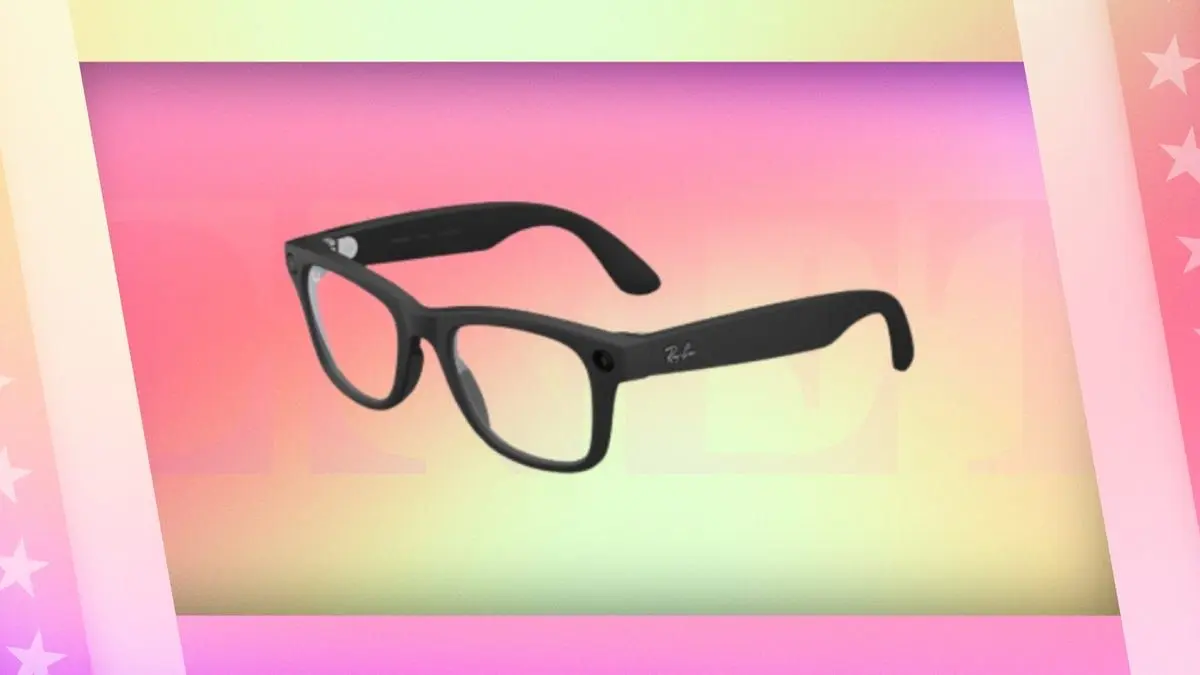
.Codenamed N50, the glasses are being developed as a lightweight platform for Apple Intelligence, featuring cameras, microphones, and integration with Siri
4
. According to Gurman, the glasses will include oval-shaped cameras, unique colors, and multiple frame styles designed to stand out from competitors1
. The device is expected to feature multimodal AI that could respond to requests via Siri, along with cameras for capturing videos and photos, plus microphones and speakers for handling phone calls, listening to notifications, and playing music1
.
Source: CNET
Meta's Market Lead Grows Stronger
While Apple struggles with development challenges, Meta has built a commanding position in the wearable AI category. The company held an 82% market share in the second half of 2025, according to Counterpoint Research
3
. The smart glasses market grew 139% year-over-year during this period, demonstrating the category's rapid expansion1
.Meta's Ray-Ban Meta Glasses lineup now ranges from $299 for the camera-and-AI model up to $799 for the display version
4
. The company has been selling AI-powered smart glasses since 2023 and has steadily expanded its offerings, recently adding prescription-compatible frames to target people who need corrective lenses daily4
. Unlike Apple, Meta's smart glasses work across both Android and iOS, giving the company access to a much larger audience and a significant advantage as the eyewear market expands2
.
Source: Android Authority
Apple's Vision Roadmap Drastically Reduced
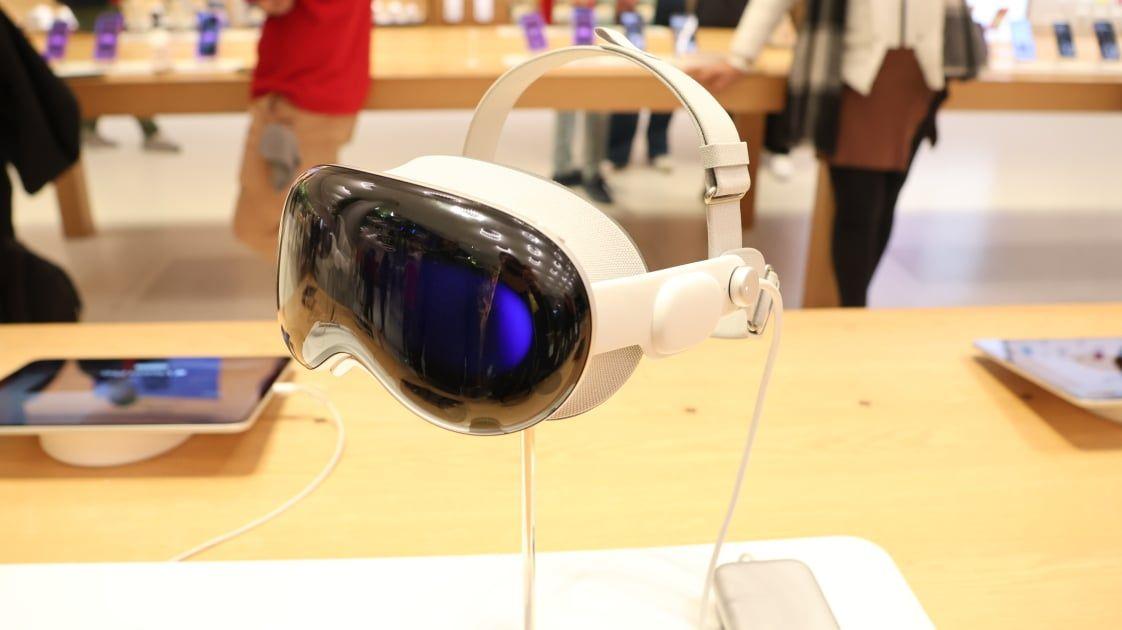
Apple analyst Ming-Chi Kuo reports that the company has slashed its Vision product roadmap from seven devices to just two, a change approved by incoming CEO John Ternus
3
. The surviving products include the AI-powered smart glasses expected in 2027 and a display-equipped pair using augmented reality technologies with optical waveguides, which won't arrive until 2029 at the earliest3
.Apple has cancelled five products, including plans for a Vision Pro successor and the lighter Vision Air
3
. This strategic shift prioritizes smart glasses with greater mass-market potential over mixed reality headsets3
. People close to outgoing CEO Tim Cook tell Gurman that he is a strong supporter of the smart glasses project and regards them as his top priority, while Ternus has led the product development team for the past two years1
.Related Stories



Strategic Implications and Market Positioning
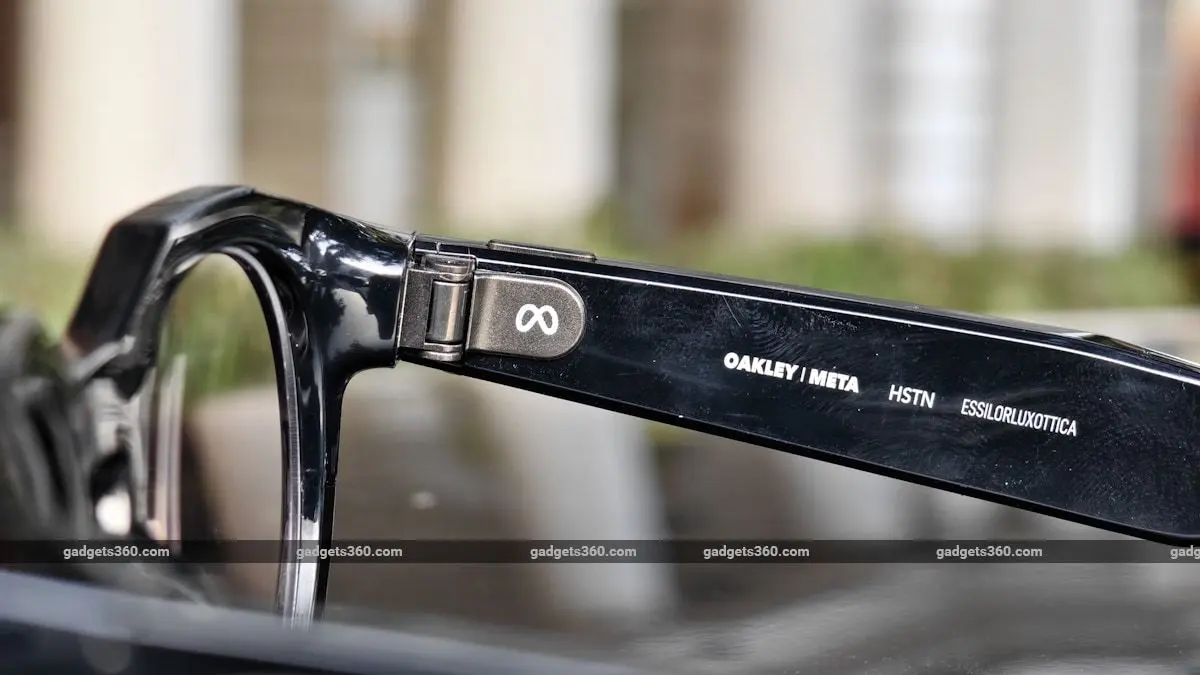
Apple is targeting the mainstream eyewear segment, particularly products priced between $200 and $500, which would place the company in competition with brands owned by eyewear giants such as EssilorLuxottica, Safilo, and Warby Parker
5
. The company reportedly sees a similar opportunity in eyewear as with the Apple Watch, believing that integration with its ecosystem of more than two billion active devices, combined with AI-powered features, could encourage consumers to choose Apple-branded eyewear over traditional alternatives5
.
Source: Gadgets 360
However, every month Apple spends restructuring its product roadmap is a month Meta spends selling, iterating, and building the retail infrastructure that makes smart glasses feel normal
3
. Meta is already preparing additional smart glasses models, potentially expanding beyond its Ray-Ban partnership2
. By the time Apple finally arrives, Meta could have years of real-world experience, user feedback, and ecosystem development under its belt2
.References
Summarized by

Navi
[2]
[3]
Related Stories
Recent Highlights
1
Microsoft and Nvidia Launch Surface Laptop Ultra: A $2,599 AI-Ready PC With RTX Spark Chip
Technology

2
Google Unveils Gemini 4 Argon AI Model, Restricts Access to Trusted Cyber Defenders
Technology

3
OpenAI Releases 722 AI-Generated Math Papers on GitHub, Igniting Fury Among Mathematicians
Science and Research

Recent Highlights
Today's Top Stories






Don’t drown in AI news. We cut through the noise - filtering, ranking and summarizing the most important AI news, breakthroughs and research daily. Follow topics that matter to you and stay ahead.


