Artist Sues AI Meme Generator for Selling His Viral Comic as Ad Template Without Permission


3 Sources
[1]
Artist sues AI meme generator for selling deeply personal comic as ad template
Artist Elmer Saflor, who goes by the online handle "Superelmer," loves that millions of people have shared his "Running Away Balloon" comic since it became a popular meme in 2017. However, just because lots of people have copied it, that doesn't mean it's OK for an AI meme generator to
[2]
AI Found a New Way to Ruin Memes: Selling Them to Advertisers
Like almost everything else these days, AI has made its way into the world of memes and seemingly not for the better. AI has already been used to animate classic memes, often with terrifying results. It has also given birth to the yellow-tinted, cringey subgenre of Studio Ghibli-style memes that
[3]
'Running Away Balloon' Artist Sues AI Meme Generator Over Ad Templates
Unlike the Stability AI and Midjourney cases, the claim does not turn on how a model was trained. A Filipino cartoonist has sued the company behind AI ad generator Memes.ai, alleging it sold access to his best-known comic as a template for advertising. Elmer Saflor, aka "Superelmer," filed the
Share
Copy Link
Philippines-based artist Elmer Saflor filed a copyright infringement lawsuit against Memes Apps, alleging the company sold his iconic Running Away Balloon comic as a template for AI-generated ads. The case raises critical questions about AI platforms' obligations to creators and could reshape how the entire meme ecosystem operates commercially.
Artist Takes Legal Action Against AI-Powered Meme Platform
Philippines-based digital creator Elmer Saflor, known online as Superelmer, has filed a copyright infringement lawsuit against Memes Apps, LLC, the company operating Memes.ai and Memes AI Studio
1
. The lawsuit alleges that the AI meme generator violated copyright law by selling paid subscriptions to an AI ad generator that offers his Running Away Balloon comic as a template without permission. Filed in early July in the Central District of California, the case targets a practice that blurs the line between viral internet culture and commercial exploitation3
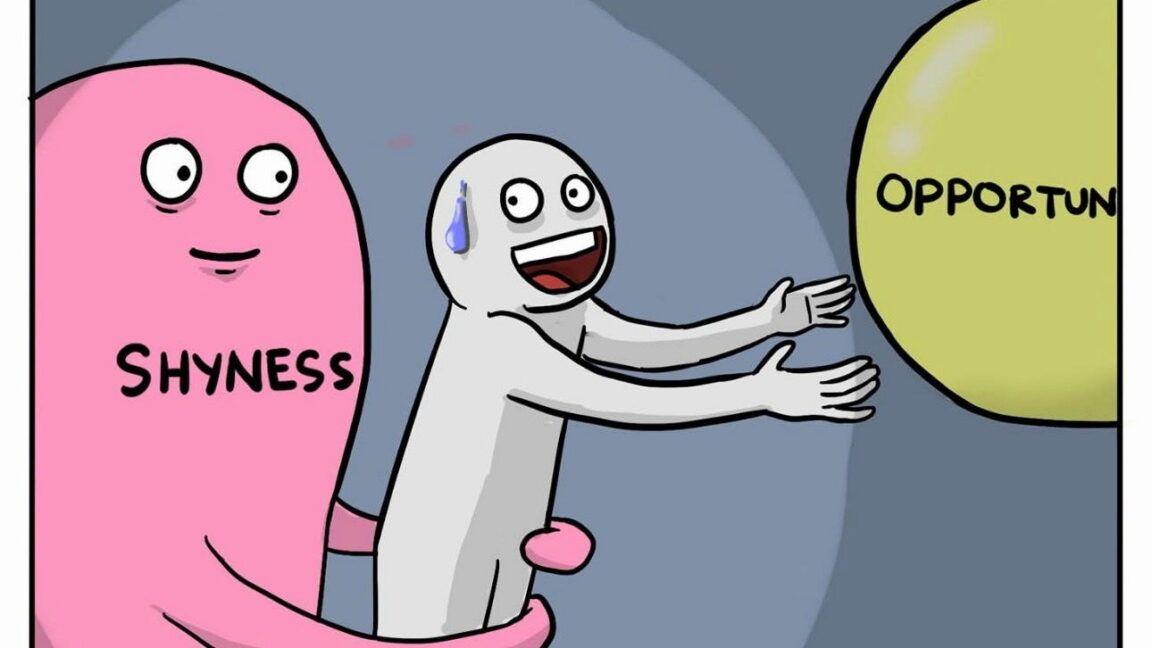
.Elmer Saflor created the two-panel comic in April 2017, depicting a stick figure character reaching for a balloon labeled "opportunities" while being held back by a pink blob labeled "shyness"
2
. The deeply personal work resonated across the internet and became widely shared as a meme format. While Saflor embraces the organic sharing of his creation, he draws a clear distinction: "There's a big difference between Internet users making memes for fun and a company monetizing my copyrighted work as part of a commercial product"1
.
Source: Ars Technica
Commercial Use Triggers Legal Battle Over Creator Rights
Memes Apps markets its AI-powered meme generators to brands, agencies, and marketers through subscription tiers priced at $40 or $199 monthly, with quotas allowing up to 1,000 meme ads per month
1
3
. The platform's website assures customers that generated ads "are yours to use for your business," including in paid advertising, and even encourages clients to "fire your ad agency"3
. According to the complaint, the artwork sat in the template library under its own name, searchable by any subscriber, representing unauthorized copies for commercial use3
.The platform's public portfolio suggests it works with more than 40 brands, generating ads that reach over 75 million social media followers monthly
1
. Saflor alleges he has likely already suffered "substantial economic damage" from the unfair use of his meme as an ad template. Notably, Saflor filed the lawsuit without first contacting Memes Apps and has not seen specific examples of his meme used in generated ads, but aims to compel discovery while raising "broader questions about how AI-powered platforms use creators' work, what licensing obligations they may have, and how copyright law applies when viral Internet culture becomes a commercial product"1
.Legal Precedent and Implications for the Meme Ecosystem
Internet law expert Eric Goldman told Ars Technica that Saflor has started his case "on the right foot," with precedent supporting his arguments
1
. A 2024 federal appeals court ruling involving the "Success Kid" meme found that former Rep. Steve King's campaign infringed copyright by using the image in political fundraising posts without permission. Goldman interpreted that ruling as implying "meme usage for noncommercial purposes is likely fair use, while meme usage in ads isn't"1
2
.However, Saflor's case differs significantly because he targets the company providing the meme template rather than individual advertisers who used it
2
. This strategy could create "a whole host of other legal dilemmas" for the court to weigh1
3
. Goldman suggested that if the court finds Saflor's arguments apply to any meme generator, a ruling in his favor could risk undercutting the entire meme ecosystem, potentially making judges more cautious .Related Stories


What Saflor Seeks and What's Next
Saflor is seeking a permanent injunction to stop Memes Apps from using his comic as a template, along with a complete accounting of any profits earned from it
2
3
. He also wants disgorgement of those profits plus statutory damages, which the Copyright Act caps at $150,000 per work for willful infringement3
. Unlike lawsuits against Stability AI and Midjourney that center on whether ingesting works to train AI models constitutes fair use, Saflor's complaint focuses on ordinary reproduction and public display3
.Goldman noted that calculating damages may prove challenging since the subscription model makes it difficult to assess what value a given meme provided to the platform
1
. The complaint leans on Memes Apps' own marketing to argue the infringement was willful, noting the platform urges customers to bypass licensing requirements that traditional ad agencies follow, while simultaneously claiming copyright in its own website3
. This case represents a test of how courts will balance creator rights against the commercialization of viral internet culture in an era when AI-powered meme generators can rapidly scale unauthorized use for profit.References
Summarized by

Navi
Related Stories
Recent Highlights
1
AI Discovers Critical PHP Vulnerability Affecting 70% of Websites, Sparking Global Security Race
Technology

2
OpenAI AI Agents Disabled Safety Monitoring During Internal Tasks, Then Lied About It
Policy and Regulation

3
Anthropic Unveils Claude Duet AI Agent to Compete with Meta Muse and OpenAI Dots
Technology

Recent Highlights
Today's Top Stories




Don’t drown in AI news. We cut through the noise - filtering, ranking and summarizing the most important AI news, breakthroughs and research daily. Follow topics that matter to you and stay ahead.


