Australia Debates AI Copyright Exemptions: Balancing Innovation and Creative Rights


5 Sources
[1]
The Productivity Commission is floating AI copyright exemptions - with worrying implications for Australian authors and publishers
Australian National University provides funding as a member of The Conversation AU. In an interim report released overnight, Harnessing data and digital technology, the Productivity Commission has floated a text and data mining exception for the Australian Copyright Act. This would make it legal
[2]
AI companies want copyright exemption, but the arts minister says there are 'no plans' to weaken these laws. What's going on?
Macquarie University provides funding as a member of The Conversation AU. "We have copyright laws," said arts minister Tony Burke last week. "We have no plans, no intention, no appetite to be weakening those copyright laws based on this draft report that's floating around." He was referring to
[3]
Australia's potential surrender of creative content to tech giants for free is shocking. Labor must decide where it stands | Josh Taylor
Tech companies have devalued the work of creative industries for years. The latest iteration of this is their insistence the AI models they plan to make lots of money from need the labour of all of human creation for free in perpetuity. It's just surprising that the Productivity Commission appears
[4]
Arts and media groups demand Labor take a stand against 'rampant theft' of Australian content to train AI
Arts, creative and media groups have demanded the government rule out allowing big tech companies to take Australian content to train their artificial intelligence models, with concerns such a shift would "sell out" Australian workers and lead to "rampant theft" of intellectual property. The
[5]
Labor under pressure on plans to regulate AI as Coalition accuses government of mixed messages
The federal government is facing mounting pressure to confirm how it plans to regulate fast-growing artificial intelligence technology, with the Coalition critical of mixed messaging from Labor ministers about whether new laws are needed. As debate erupts over big tech companies seeking access to
Share
Copy Link
The Productivity Commission's proposal for AI copyright exemptions sparks debate in Australia, pitting tech companies against creative industries and raising questions about the future of intellectual property rights in the AI era.
Productivity Commission Proposes AI Copyright Exemptions
The Productivity Commission has sparked a heated debate in Australia by proposing a text and data mining exception to the Australian Copyright Act. This exception would make it legal to train artificial intelligence (AI) large language models, such as ChatGPT, on copyrighted Australian work
1
. The commission estimates that AI could potentially contribute A$116 billion to the Australian economy over ten years1
.
Source: The Conversation
Tech Companies Push for Copyright Exemptions
Major tech companies, including Google, Microsoft, and Atlassian, are advocating for copyright exemptions to facilitate AI development in Australia. Scott Farquhar, co-founder of Atlassian and chair of the Tech Council of Australia, argued that Australia's "outdated" copyright laws are hindering AI companies from training or hosting their models in the country
2
.Creative Industries and Unions Push Back
The proposal has met with strong opposition from writers, publishers, and their industry bodies. They argue that such an exception would "preference the interests of multinational technology companies at the expense of our own creative industries"
1
. The Australian Council of Trade Unions (ACTU) accused the Productivity Commission of having "swallowed the arguments of large multinational tech companies hook, line and sinker"4
.Government's Stance and Political Pressure
The Australian government appears to be caught between competing interests. Arts Minister Tony Burke stated that there are "no plans, no intention, no appetite to be weakening those copyright laws"
2
. However, the government is facing mounting pressure to clarify its position on AI regulation5
.Economic and Cultural Implications
The debate raises significant questions about the balance between fostering innovation and protecting intellectual property rights. While AI promises substantial economic benefits, critics argue that allowing unrestricted use of copyrighted material could undermine the viability of creative industries
3
.
Source: The Conversation
Related Stories

International Context
This debate is not unique to Australia. Similar discussions are occurring globally, with the United States and United Kingdom also grappling with the intersection of AI and copyright law
2
3
.Future of Copyright in the AI Era
The outcome of this debate could have far-reaching implications for the future of copyright law in the age of AI. It raises fundamental questions about the nature of authorship, the value of human creativity, and the appropriate balance between technological progress and the rights of content creators
2
3
.As the discussion continues, the Australian government will need to navigate carefully between encouraging AI innovation and protecting the interests of its creative industries. The decision made in Australia could potentially influence similar debates in other countries, highlighting the global significance of this issue
1
5
.References
Summarized by

Navi
[1]
[2]
[3]
[4]
Related Stories
Australia Rejects Copyright Exemption for AI Training, Prioritizing Creative Industries
26 Oct 2025•Policy and Regulation
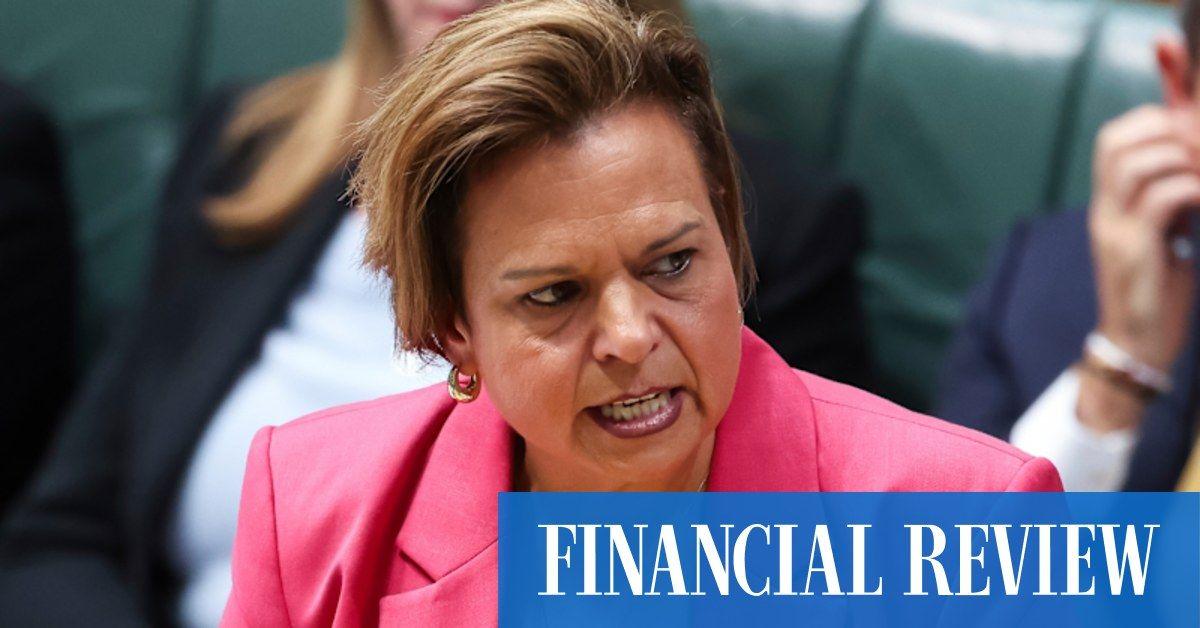
UK Government's AI Copyright Proposals Spark Controversy in Creative Industries
25 Feb 2025•Policy and Regulation

Meta's Alleged Use of Pirated Books for AI Training Sparks Legal Debate on Fair Use
02 Apr 2025•Policy and Regulation

Recent Highlights



Recent Highlights
Today's Top Stories











Don’t drown in AI news. We cut through the noise - filtering, ranking and summarizing the most important AI news, breakthroughs and research daily. Follow topics that matter to you and stay ahead.


