UK Government's AI Plan Sparks Controversy Over Copyright and Creative Industries

2 Sources
[1]
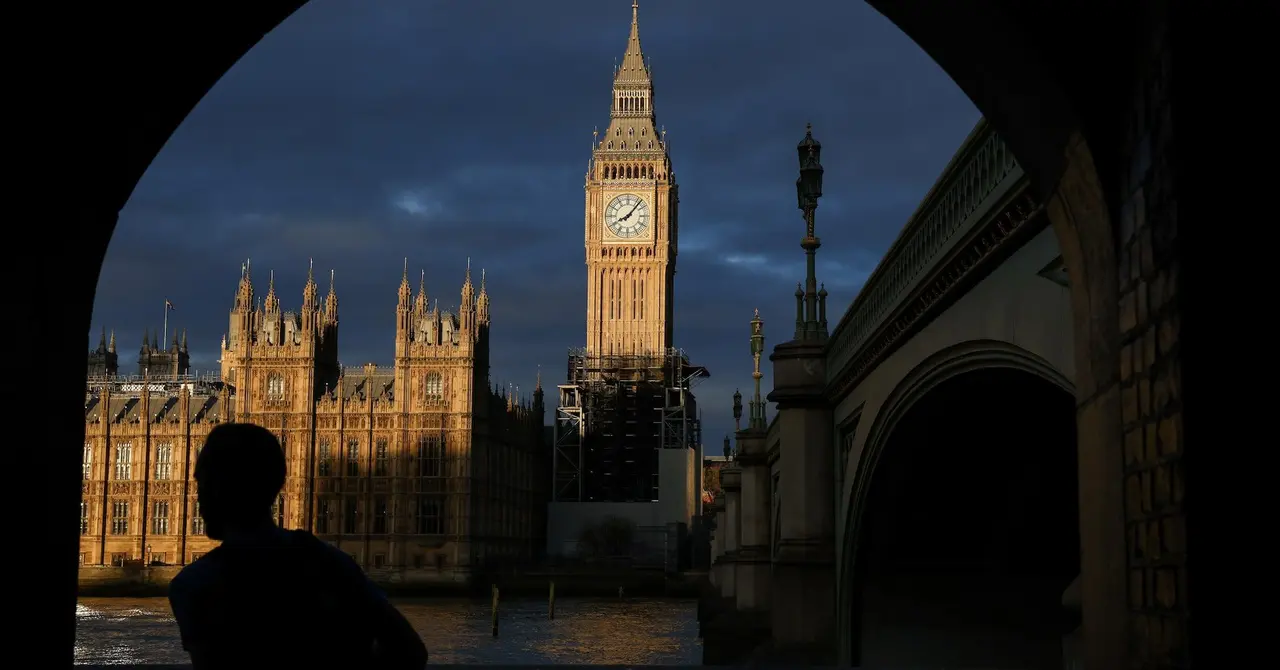
Labour's AI plan could be good for Britain - except the creatives it will throw under the bus | Ed Newton-Rex
The proposed new law will hand over artists' copyright so their competitors can be trained for free. The government must reconsider On Monday morning, a couple of hours after the UK government's AI opportunities action plan was published, I started getting messages from artists. "We are not going
[2]
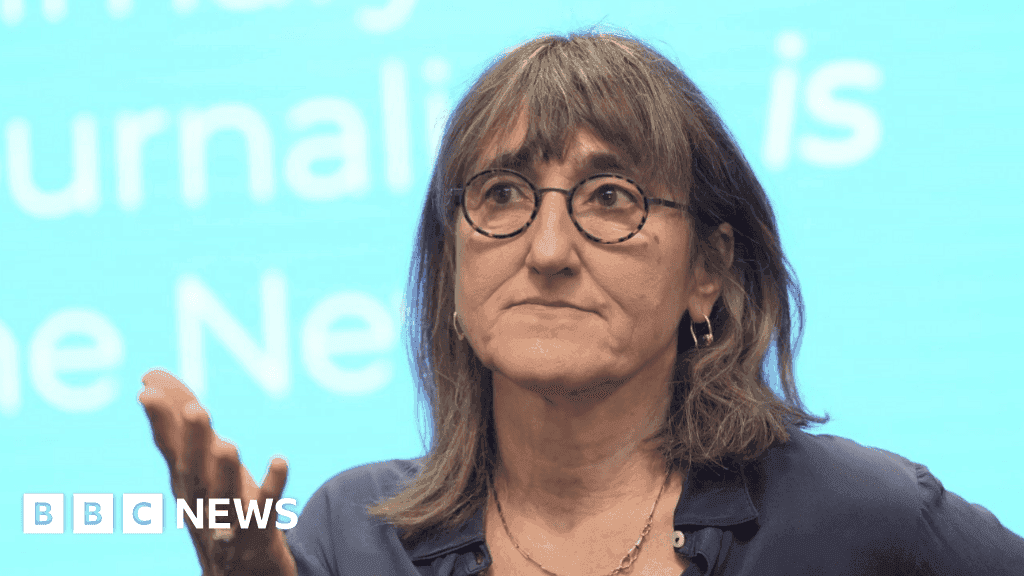
British novelists criticise government over AI 'theft'
Kate Mosse and Richard Osman say plan to mine artistic works for data would destroy creative fields Bestselling novelists Kate Mosse and Richard Osman have hit back at the government's apparent plan to give artificial intelligence companies broad freedoms to mine artistic works for data, warning
Share
Copy Link
The UK government's new AI action plan, aimed at making Britain an AI superpower, faces backlash from artists and writers over proposed copyright reforms that could allow AI companies to use creative works without permission.

UK Government Unveils Ambitious AI Action Plan
The UK government has launched a national drive to position itself as a global leader in artificial intelligence (AI), unveiling a 50-point action plan endorsed by Prime Minister Keir Starmer
1
. The plan, authored by venture capitalist Matt Clifford, aims to boost the country's AI sector through various measures, including easier access to computing resources and updated visa regulations to attract AI experts2
.Controversial Copyright Reform Proposal
A key recommendation in the action plan has sparked intense debate: reforming copyright laws to favor AI companies. The proposal suggests allowing AI firms to use copyrighted works for training their models without explicit permission, unless creators opt out
1
. This approach aligns with the EU's current system and is seen as a way to accelerate AI development in the UK.Creative Industry Backlash
The proposed copyright reform has met with strong opposition from the creative community. Bestselling authors Kate Mosse and Richard Osman have criticized the plan, warning that it could "destroy" growth in creative fields and amount to "theft"
1
. Paul McCartney, Kate Bush, and other prominent artists have also voiced concerns about the potential impact on their livelihoods2
.Impact on Artists and Copyright Holders
Critics argue that the opt-out system is unfair and unworkable for many creators. Ed Newton-Rex, a former AI executive, points out that artists often lose control over their work once it's published, making it impossible to effectively opt out of AI training datasets
2
. The Creative Rights in AI coalition, representing various creative industries, has called the government's position "deeply concerning"1
.Government's Stance and Industry Response
Despite ongoing consultations, the government appears committed to implementing the copyright reform recommendation. This has raised questions about the validity of the consultation process, which still has six weeks to run
2
. The British Phonographic Industry and other creative sector representatives have urged the government to reconsider, emphasizing the importance of protecting the UK's status as a creative superpower1
.Related Stories
Balancing AI Growth and Creative Rights
The controversy highlights the challenge of balancing technological advancement with the protection of creative rights. While the government aims to make the UK an AI superpower, critics argue that this should not come at the expense of the creative industries
2
. The debate raises important questions about fair use, compensation for creators, and the future of creative professions in an AI-driven world.Potential Consequences and Alternatives
Opponents of the reform warn that it could lead to a significant reduction in demand for human creative work and potentially put large portions of the creative industries out of business
2
. Some suggest that existing copyright laws, such as the US "fair use" doctrine, offer more nuanced approaches that could better balance the interests of AI companies and creators2
.References
Summarized by

Navi
[1]
[2]
Related Stories
UK Government's AI Copyright Proposals Spark Controversy in Creative Industries
25 Feb 2025•Policy and Regulation

UK Government Faces Backlash Over AI Copyright Policies: Creatives Demand Protection
20 May 2025•Policy and Regulation
UK Government Considers AI Copyright Reforms Amid Creative Industry Backlash
22 Feb 2025•Policy and Regulation

Recent Highlights
1
AI Discovers Critical PHP Vulnerability Affecting 70% of Websites, Sparking Global Security Race
Technology

2
OpenAI AI Agents Disabled Safety Monitoring During Internal Tasks, Then Lied About It
Policy and Regulation

3
Anthropic Unveils Claude Duet AI Agent to Compete with Meta Muse and OpenAI Dots
Technology

Recent Highlights
Today's Top Stories




Don’t drown in AI news. We cut through the noise - filtering, ranking and summarizing the most important AI news, breakthroughs and research daily. Follow topics that matter to you and stay ahead.


