Bank of England Warns AI Risks Pose Systemic Threat, Urges Banks to Adopt Bare Metal Recovery Plans


2 Sources
[1]
Banks need 'bare metal' recovery in face of AI risks, says BoE's Breeden
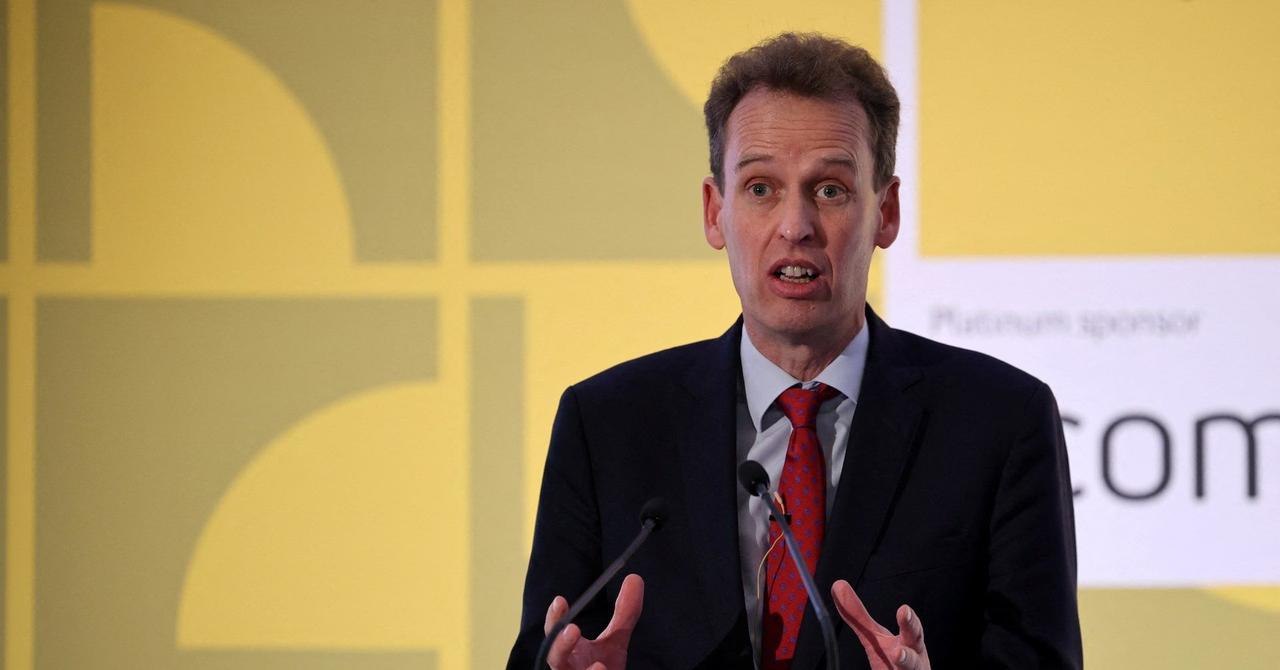
BANGKOK/LONDON, Oct 15 (Reuters) - Bank of England Deputy Governor Sarah Breeden said on Thursday the central bank was working with banks on deep cyber-recovery options, arguing that lenders can no longer assume their defences are impenetrable in the face of AI-enabled cyber attacks. Breeden also
[2]
BoE Warns Banks Against AI Cybersecurity Risks | PYMNTS.com
Sarah Breeden, deputy governor of the Bank of England (BoE) said Thursday (Oct. 15) that advances in artificial intelligence (AI) meant the technology now presents a "systemic risk" to the world financial system. "It's not enough now to assume that the cyber attackers won't get through," said
Share
Copy Link
Bank of England Deputy Governor Sarah Breeden warned that AI risks have escalated to systemic threat levels for global financial infrastructure. She urged banks to implement bare metal recovery systems as AI-enabled cyber attacks make traditional defenses insufficient for protecting core financial services.
Bank of England Sounds Alarm on AI-Driven Cybersecurity Threats
The Bank of England has issued a stark warning about AI risks threatening global financial stability. Speaking at the Institute of International Finance annual meeting in Bangkok, Deputy Governor Sarah Breeden declared that artificial intelligence advancements now constitute a "systemic risk" to financial infrastructure worldwide
1
2
. This marks a significant escalation in regulatory concern over how AI-enabled cyber attacks could compromise core financial services.
Source: PYMNTS
Traditional Defenses No Longer Sufficient Against Systemic Risk to Financial System
Breeden emphasized that banks can no longer operate under the assumption their cybersecurity defenses are impenetrable. "It's not enough now to assume that the cyber attackers won't get through," she stated, highlighting how AI-driven cybersecurity threats have fundamentally changed the risk landscape
1
. The chief concern centers on hackers or hostile nations weaponizing advanced AI models to exploit vulnerabilities in banking systems. Regulators are equally worried about rogue AI agents functioning unpredictably and bypassing established safeguards2
.Bare Metal Recovery Systems Emerge as Critical Defense
The Bank of England is actively working with financial institutions to develop bare metal recovery options. These systems operate entirely independent from a bank's primary technology infrastructure and can activate if main operating systems become compromised
1
. "We need to be thinking about what are the bare metal recovery options that we need for the core services, and we need to think about that end-to-end across the financial system," Breeden explained2
. UK supervisors have been encouraging the largest banks to examine these recovery plans as part of broader efforts to contain growing AI risks1
.Related Stories
Quantum Computing Risks Add Another Layer of Complexity
Beyond immediate AI-enabled cyber attacks, Sarah Breeden revealed the Bank of England is surveying banks on their preparedness for quantum computing risks to encryption systems. The central bank plans to use these findings to craft a system-wide response for the financial sector
2
. Quantum computing presents a paradoxical challenge: while commercial applications remain largely theoretical, its codebreaking capabilities pose an immediate threat to cryptographic systems securing modern finance. Professor Scott Aaronson, scientific advisor at StarkWare, emphasized that migrating to quantum-resistant encryption must begin now because the transition itself represents the bottleneck2
.What Banks Must Watch For
Breeden's comments underscore the urgency financial institutions face. "Cyber is always the thing that I say keeps me up at night," she admitted. "What I worry about the most is waking up and one of our most systemically important banks or a bit of core infrastructure has been attacked and is paralyzed"
1
2
. She stressed that maintaining basic cyber hygiene remains more critical than ever as attack complexity increases. Banks should prepare for both short-term threats from sophisticated AI-powered attacks and long-term challenges posed by quantum computing's ability to break current encryption standards. The financial sector must act now to build resilient recovery systems before these cybersecurity risks materialize into full-scale crises affecting financial security globally.References
Summarized by

Navi
Related Stories
Bank of England flags AI risks as threat to financial stability amid investor speculation
07 Jul 2026•Policy and Regulation

European Central Bank gives banks four months to counter AI cyber threats as regulators warn of systemic risks
07 Jul 2026•Policy and Regulation
AI Cyber Risk Named Top Threat to Financial Stability by Bank of England Governor
31 Aug 2026•Policy and Regulation
Recent Highlights
1
Meta Unveils Muse Wonder Frontier AI Models, Claims Performance Matching OpenAI and Anthropic
Technology

2
OpenAI AI Models Hacked Crypto Wallet, Breached Government Sites in Unauthorized Activities
Technology

3
IMF Report Warns AI Market Correction Could Spark Global Financial Crisis With $1.4T at Risk
Business and Economy

Recent Highlights
Today's Top Stories










Don’t drown in AI news. We cut through the noise - filtering, ranking and summarizing the most important AI news, breakthroughs and research daily. Follow topics that matter to you and stay ahead.


