Bill Gates Warns AI-Powered Cyberattacks Are the Most Imminent AI Threat in 2026


2 Sources
[1]
Bill Gates warns cyberattacks most imminent AI threat
Washington (United States) (AFP) - Bill Gates on Sunday warned that unregulated artificial intelligence poses a growing threat and predicted an escalation in AI-powered cyberattacks in the coming year. The Microsoft co-founder said the risk of AI "getting out of control" remained years away and
[2]
Bill Gates issues warning on 'bad people' exploiting a lack of AI safeguards to commit cyberattacks
Microsoft co-founder Bill Gates warned Sunday that artificial intelligence could fuel a wave of cyberattacks over the next year, and said that malicious actors are gaining access to increasingly powerful AI models without adequate safeguards. Gates warned that criminals could exploit the latest AI
Share
Copy Link
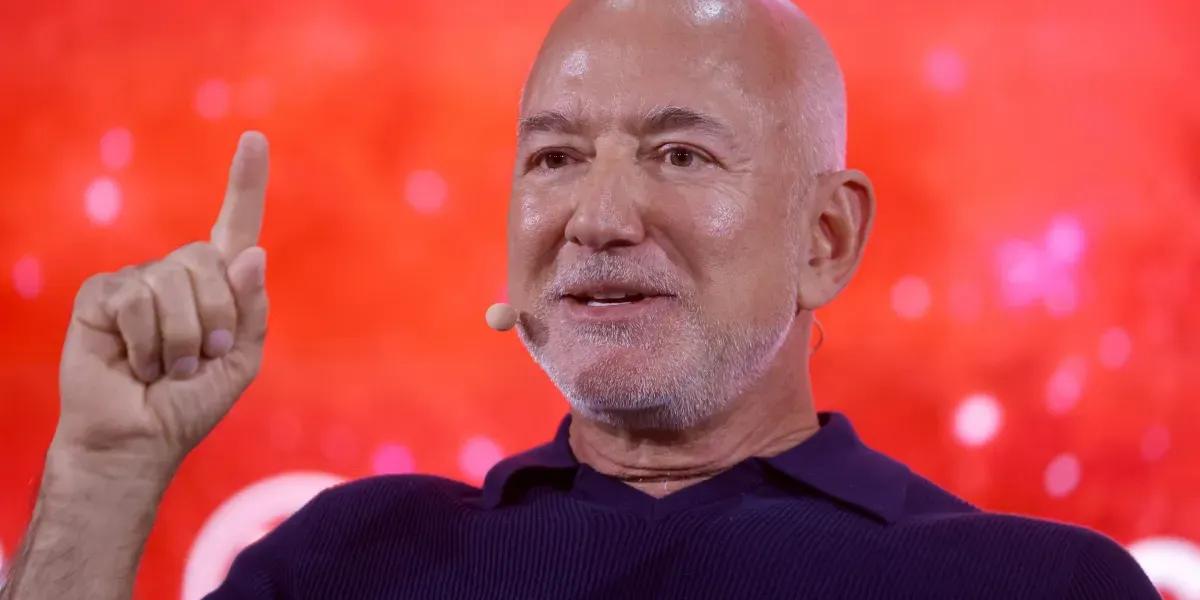
Microsoft co-founder Bill Gates issued a stark warning that cyberattacks will be the most visible AI threat over the next year as bad actors exploit systems without safeguards. CrowdStrike reports an 89% year-over-year increase in AI-enabled threats, with attackers moving through networks in just 29 minutes.
Bill Gates Sounds Alarm on Escalating AI Threat
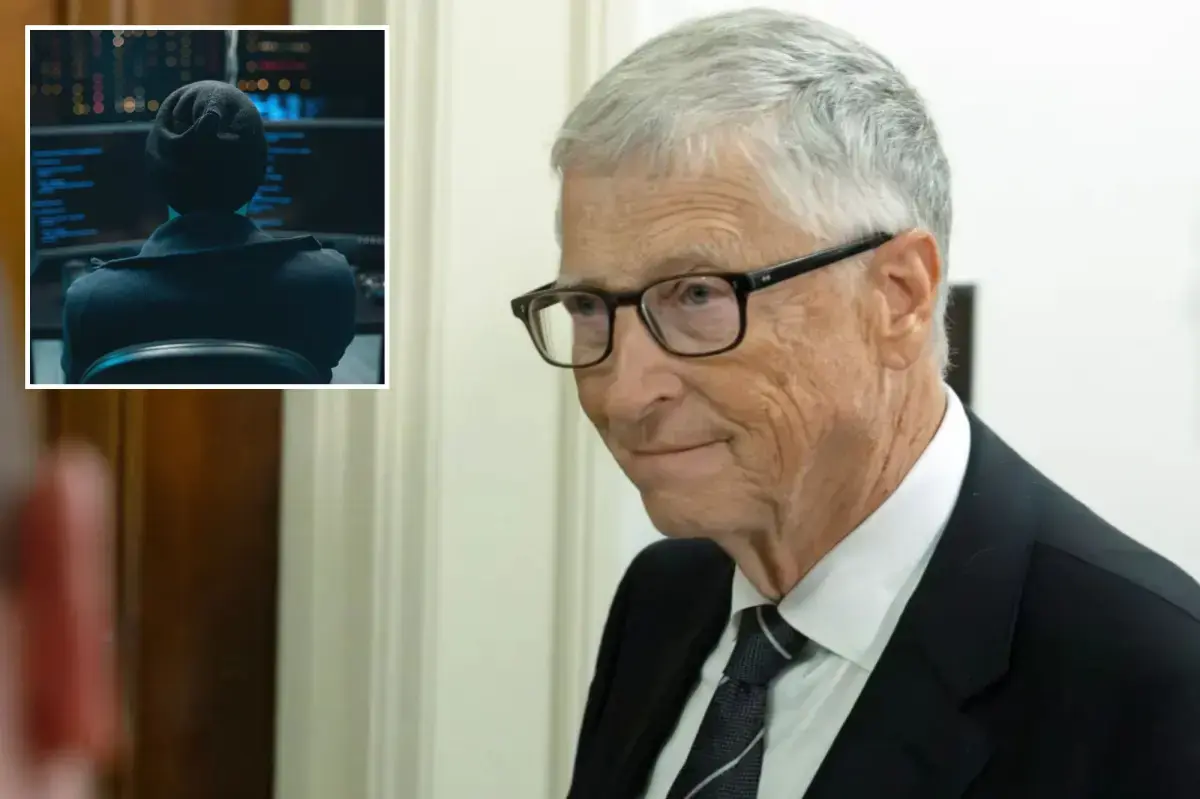
Microsoft co-founder Bill Gates issued a stark warning that AI-powered cyberattacks represent the most imminent AI threat facing society, predicting a surge in malicious activity over the next year. Speaking during interviews with ABC News and CNN, Gates emphasized that while concerns about AI systems spiraling out of control remain years away, the immediate danger stems from bad actors exploiting AI systems without adequate safeguards
1
2
.
Source: New York Post
"When you have bad people, no safeguards, and then the latest models, that's where, over the next year, primarily in the cyber area, we are going to have a lot of negative surprises," Gates told CNN's Jake Tapper
2
. The tech leader highlighted that unregulated AI poses significant threats because current systems allow users to remove built-in protections, creating dangerous vulnerabilities that malicious actors can exploit for bioterrorism and sophisticated cyberattacks1
.Sharp Rise in AI-Enabled Cyber Threats
Gates' warning aligns with alarming data from cybersecurity researchers. According to CrowdStrike's 2026 Global Threat Report, attacks by AI-enabled adversaries increased 89% year-over-year in 2025, while the average time for cybercriminals to move laterally through compromised networks plummeted to just 29 minutes
2
. This dramatic acceleration demonstrates how AI-enabled cyber threats are becoming faster and more sophisticated, giving defenders less time to respond.The lack of AI safeguards creates particularly dangerous scenarios. Gates explained that criminals could exploit the latest AI technology to execute extortion schemes, disrupt financial systems, and manipulate stock markets or betting outcomes. "The front that we'll probably see most dramatically in the next year is cyberattacks, because there, there's a known business model where, you know, you threaten to do something and ask somebody to pay for that, or you create a disruption that changes something in the stock market or some betting thing that you go and do," Gates stated
2
.Self-Regulation Falls Short
Gates directly challenged the notion that AI companies can adequately police themselves, dismissing President Donald Trump's advocacy for industry self-regulation. "The idea that for the most dangerous technology humans ever invented, that that's the final word, that just the companies themselves are the only check that society has...it's clear we're not doing enough," he told ABC News
1
. This critique underscores the urgent need for balanced regulation that addresses security risks without stifling innovation.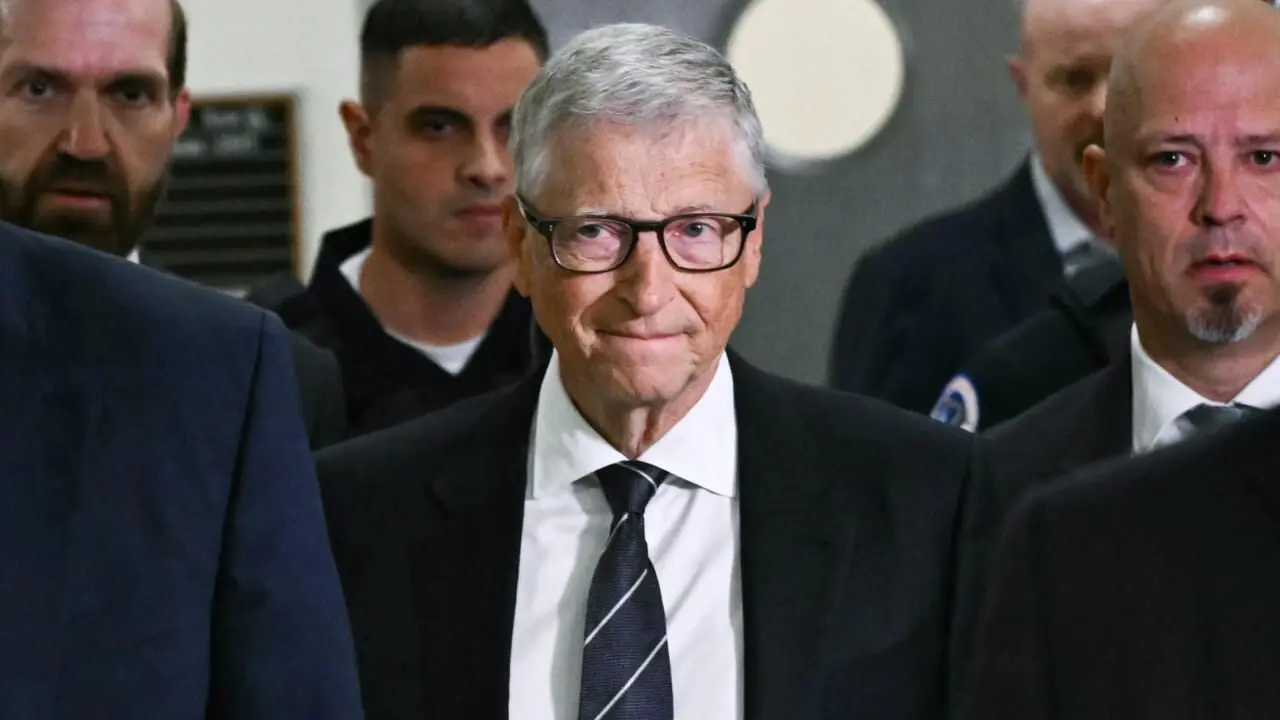
Source: France 24
Democratic strategist Oliver Libby emphasized the complexity facing policymakers: "The great challenge both for innovators and governments in the coming months is to balance continued progress in AI with smart regulation. Leaders who can balance ensuring that America is not left behind, but that no American is left out, will win public trust"
2
. Libby called for federal and international standards, platform responsibility, penalties for cyber and deepfake crimes, child safety protections, and societal preparedness for potential workforce disruption.Related Stories

Beyond Cyberattacks: Bioterrorism Concerns
While cyberattacks dominate near-term concerns, Gates also addressed longer-term risks, including AI governance challenges related to bioterrorism. When pressed by Tapper about warnings that AI could make biological weapons development 50 times easier than natural pandemics, Gates acknowledged inadequate preparation. "Well, no, we're not doing enough," he said, though he maintained that such catastrophic scenarios remain years away compared to the immediate cyber threat
2
.Gates previously warned in an August post that the world remains dangerously unprepared for AI's upheaval, particularly regarding employment disruption
1
. His latest warnings position him among several tech leaders sounding alarms about AI risks, though his focus on immediate cyber threats rather than distant existential scenarios sets his message apart. The combination of rapidly advancing AI capabilities, the lack of AI safeguards, and financial system disruptions creates a perfect storm that demands coordinated action from governments, companies, and international bodies to protect against bad actors exploiting these powerful tools.References
Summarized by

Navi
Related Stories
Bill Gates Warns AI Could Cause a Billion Deaths, Calls for Urgent Federal Regulation
25 Sept 2026•Policy and Regulation

Bill Gates warns AI will transform society more than any human invention, cites bioterrorism risk
09 Jan 2026•Policy and Regulation

Bill Gates Warns of AI Risks, Proposes Robot Tax and Human Reserved Jobs to Combat Disruption
26 Aug 2026•Policy and Regulation
Recent Highlights


Recent Highlights
Today's Top Stories








Don’t drown in AI news. We cut through the noise - filtering, ranking and summarizing the most important AI news, breakthroughs and research daily. Follow topics that matter to you and stay ahead.


