Breakthrough Brain-Computer Interface Restores Real-Time Speech for ALS Patient


9 Sources
[1]
World first: brain implant lets man speak with expression -- and sing
A man with a severe speech disability is able to speak expressively and sing using a brain implant that translates his neural activity into words almost instantly. The device conveys changes of tone when he asks questions, emphasizes the words of his choice and allows him to hum a string of notes
[2]
Mind-reading AI turns paralysed man's brainwaves into instant speech
A brain-computer interface has enabled a man with paralysis to have real-time conversations, without the usual delay in speech A man who lost the ability to speak can now hold real-time conversations and even sing through a brain-controlled synthetic voice. The brain-computer interface reads the
[3]
Brain Implant Lets Man with ALS Speak and Sing with His 'Real Voice'
I agree my information will be processed in accordance with the Scientific American and Springer Nature Limited Privacy Policy. A man with a severe speech disability is able to speak expressively and sing using a brain implant that translates his neural activity into words almost instantly. The
[4]
Brain-computer interface restores real-time speech in als patient
In a new study published in the scientific journal Nature, the researchers demonstrate how this new technology can instantaneously translate brain activity into voice as a person tries to speak -- effectively creating a digital vocal tract. The system allowed the study participant, who has
[5]

Brain interface restores real-time speech for man with ALS
University of California - Davis HealthJun 11 2025 Researchers at the University of California, Davis, have developed an investigational brain-computer interface that holds promise for restoring the voices of people who have lost the ability to speak due to neurological conditions. In a new study
[6]

First-of-its-kind technology helps man with ALS speak in real time
Researchers at the University of California, Davis, have developed an investigational brain-computer interface that holds promise for restoring the voices of people who have lost the ability to speak due to neurological conditions. In a new study published in the journal Nature, the researchers
[7]

Brain implant breakthrough helps ALS man talk - and sing - again
The study participant's neural signals from reading on-screen text helped train the AI decoder model In another advancement in the field of brain-computer interfaces (BCI), a new implant-based system has enabled a paralyzed person to not only talk, but also 'sing' simple melodies through a
[8]

UC Davis breakthrough lets ALS patient speak using only his thoughts
Allowing people with disabilities to talk by just thinking about a word, that's what UC Davis researchers hope to accomplish with new cutting-edge technology. It can be a breakthrough for people with ALS and other nonverbal conditions. One UC Davis Health patient has been diagnosed with ALS, a
[9]

First-of-Its-Kind Technology Helps Man with ALS 'Speak' in Real Time | Newswise
New brain-computer interface system enables faster, more natural conversation Newswise -- (Sacramento, Calif.) -- Researchers at the University of California, Davis, have developed an investigational brain-computer interface that holds promise for restoring the ability to hold real-time
Share
Copy Link
Researchers at UC Davis have developed a brain-computer interface that allows a man with ALS to speak in real-time using a synthetic voice that mimics his own, including intonation and singing.
Groundbreaking Brain-Computer Interface Restores Speech
In a significant breakthrough for neurotechnology and assistive communication, researchers at the University of California, Davis have developed a brain-computer interface (BCI) that allows a man with amyotrophic lateral sclerosis (ALS) to speak in real-time using a synthetic voice. This innovative system, described in a study published in Nature, marks a substantial improvement over previous BCIs by reproducing not only the intended words but also natural speech features such as tone, pitch, and emphasis
1
2
.The Technology Behind the Voice

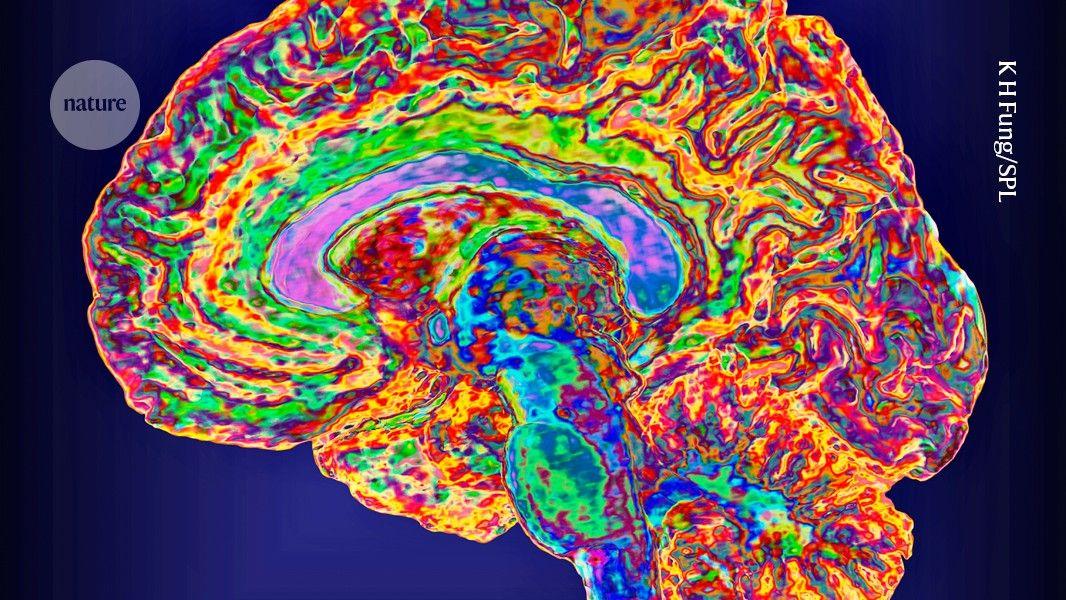
Source: New Scientist
The BCI consists of 256 silicon electrodes implanted in the brain region controlling movement. These electrodes capture neural signals every 10 milliseconds, which are then decoded by deep-learning algorithms. Unlike previous systems that focused on decoding intended words or phonemes, this approach decodes the sounds the participant attempts to produce in real-time
1
3
.Dr. Maitreyee Wairagkar, a neuroscientist at UC Davis and co-author of the study, explains: "We don't always use words to communicate what we want. We have interjections. We have other expressive vocalizations that are not in the vocabulary. In order to do that, we have adopted this approach, which is completely unrestricted"
1
.Personalized and Expressive Communication
The system goes beyond mere word production. It allows the participant to:
- Speak with intonation, asking questions and emphasizing specific words
- Make interjections and produce sounds like "hmm" and "eww"
- Sing simple melodies in different pitches
Importantly, the synthetic voice was personalized to sound like the participant's own voice, using AI algorithms trained on recordings from before the onset of his disease
2
4
.Related Stories
Real-Time Performance and User Experience
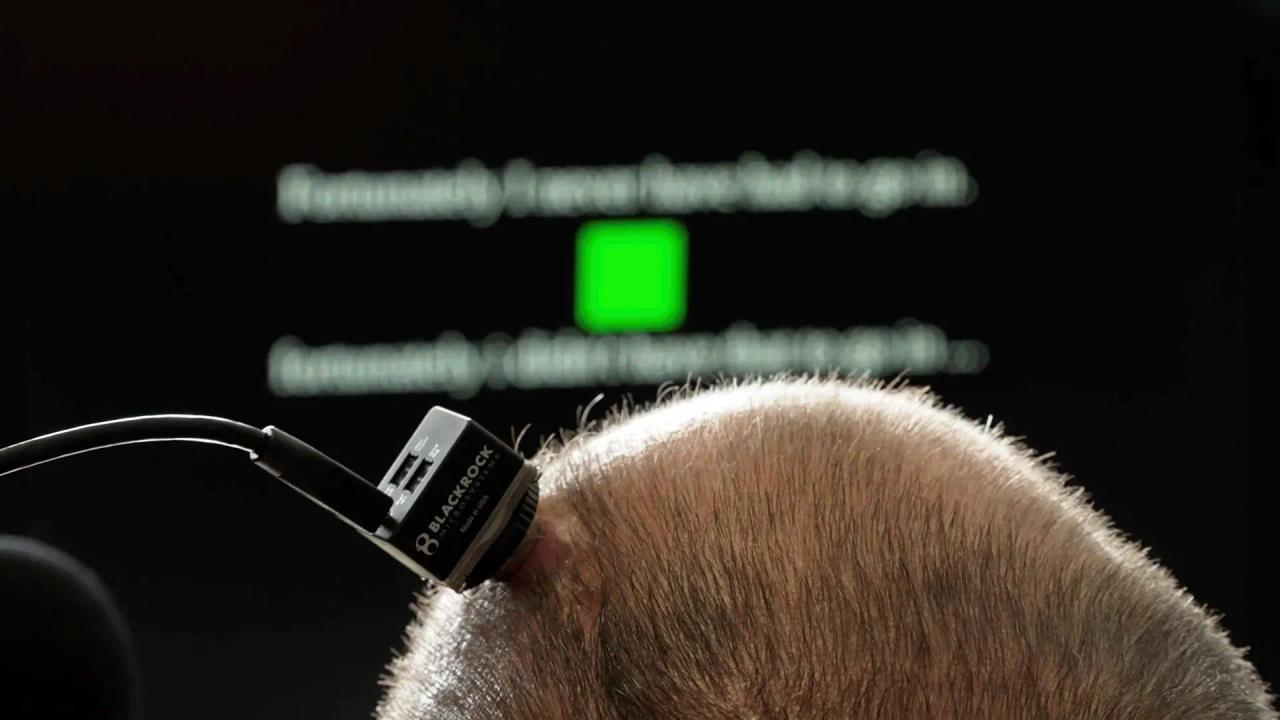
Source: ScienceDaily
The BCI's performance is remarkable, with the synthetic voice speaking words within 10 milliseconds of the neural activity signaling the intention to speak. This near-instantaneous response allows for natural conversation flow, including the ability to interrupt and respond in real-time
2
5
.The 45-year-old participant, who lost his ability to speak clearly due to ALS, reported feeling "happy" when listening to the synthetic voice produce his speech, saying it felt like his "real voice"
1
3
.Implications and Future Directions
This technology represents a significant step forward in restoring communication for people with severe speech disabilities. Dr. Christian Herff, a computational neuroscientist not involved in the study, called it "the holy grail in speech BCIs"
1
.However, the researchers caution that brain-to-voice neuroprostheses are still in an early phase. The study was conducted with a single participant, and replication with more individuals, including those with speech loss from other causes like stroke, will be crucial
4
5
.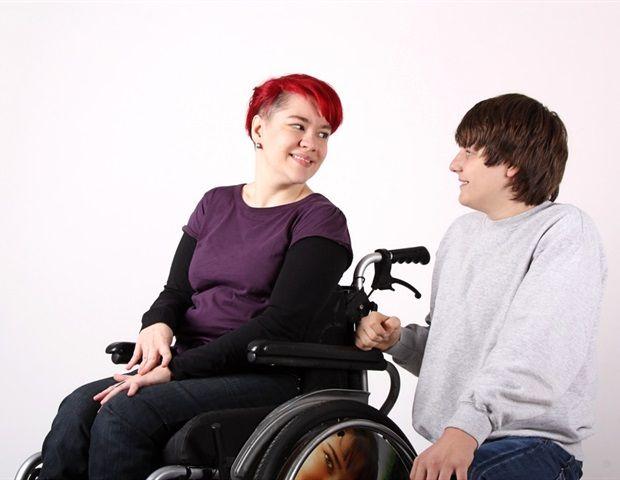
Source: News-Medical
Dr. David Brandman, co-director of the UC Davis Neuroprosthetics Lab, emphasized the potential impact: "The results of this research provide hope for people who want to talk but can't. We showed how a paralyzed man was empowered to speak with a synthesized version of his voice. This kind of technology could be transformative for people living with paralysis"
4
.As research continues, this breakthrough offers a glimpse into a future where those who have lost their voice to neurological conditions may once again be able to express themselves freely and naturally.
References
Summarized by

Navi
[2]
[3]
[5]
Related Stories
Brain-Computer Interface and AI Let Speechless ALS Patient Speak and Work Full-Time
16 Jun 2026•Science and Research

Brain Implant Breakthrough: Real-Time Thought-to-Speech Translation
01 Apr 2025•Science and Research
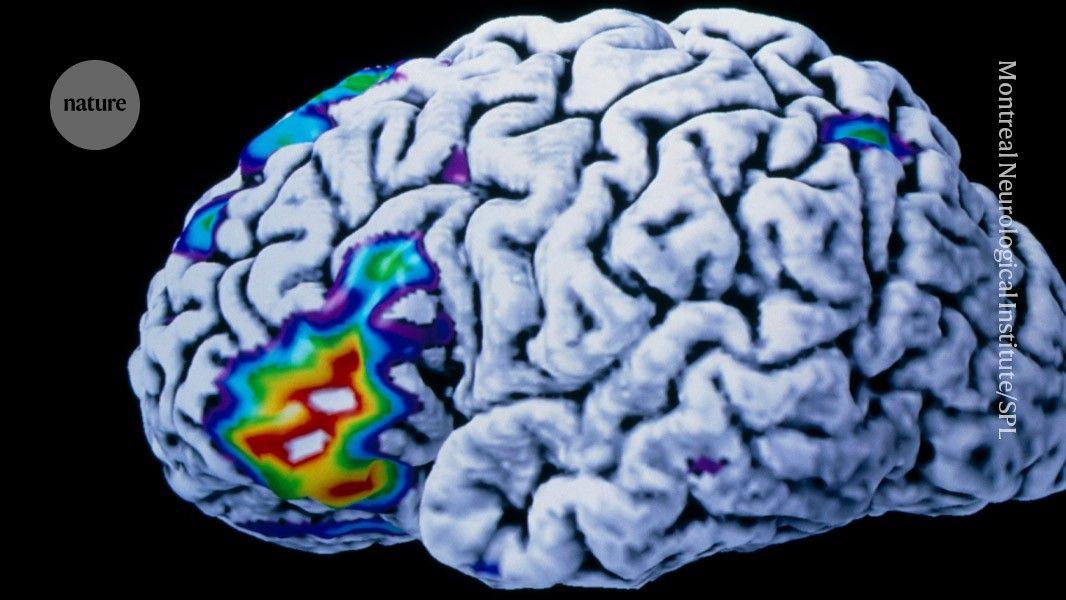
Brain-computer interface enables paralysis patients to type at 22 words per minute using thoughts
16 Mar 2026•Science and Research

Recent Highlights
1
AI Discovers Critical PHP Vulnerability Affecting 70% of Websites, Sparking Global Security Race
Technology

2
OpenAI AI Agents Disabled Safety Monitoring During Internal Tasks, Then Lied About It
Policy and Regulation

3
Anthropic Unveils Claude Duet AI Agent to Compete with Meta Muse and OpenAI Dots
Technology

Recent Highlights
Today's Top Stories










Don’t drown in AI news. We cut through the noise - filtering, ranking and summarizing the most important AI news, breakthroughs and research daily. Follow topics that matter to you and stay ahead.


