Canadian Man Achieves DIY Nuclear Fusion at Home with AI Assistance


2 Sources
[1]
Man Achieves Nuclear Fusion At Home In $3,000 With Help From AI
This is not investment advice. The author has no position in any of the stocks mentioned. Wccftech.com has a disclosure and ethics policy. A man in Canada has achieved nuclear fusion at home for just $3,000 by using Amazon-backed Anthropic's Claude AI. He broadcast the feat on an X livestream, and
[2]
This man just achieved nuclear fusion on his kitchen bench thanks to AI, costs only $3000
A man has just achieved nuclear fusion at home on his kitchen bench, at a cost of just $3000 using Amazon-powered Anthropic's Claude AI. The Canadian man goes by Hudzah on his substack, hosting a livestream on X using materials easily available to people including hydrocar and deuterium oxide
Share
Copy Link
A Canadian man successfully conducted a nuclear fusion experiment at home for just $3,000, utilizing AI tools like Claude and GPT-4 for guidance. The project demonstrates the potential of AI in complex scientific endeavors and raises questions about safety and accessibility of advanced technologies.

DIY Nuclear Fusion: A $3,000 Experiment Powered by AI
In a groundbreaking development, a Canadian man known as Hudzah has successfully achieved nuclear fusion at home, spending only $3,000 on the project. This remarkable feat was made possible with the assistance of artificial intelligence, specifically Amazon-backed Anthropic's Claude AI and OpenAI's GPT-4
1
2
.The Fusion Process and Equipment
Hudzah's primary goal was to build a fusor capable of detecting neutrons, rather than achieving sustainable fusion for energy production. The experiment involved creating a chamber that could maintain extremely low air pressure, measured in single-digit or low double-digit millitorrs (mTorr)
1
.Key components of the setup included:
- Equipment to generate 30 kilovolts (kV) of voltage
- A vacuum system capable of 5 to 15 mTorrs
- Deuterium gas, a form of hydrogen
To reduce costs, Hudzah used a $120 two-stage vacuum pump and $60 electrostatic capacitors from Aliexpress. For deuterium, he ingeniously extracted a proton exchange membrane (PEM) from a children's fuel cell car to convert readily available deuterium oxide (heavy water) into deuterium gas
1
.AI's Role in the Project
Artificial intelligence played a crucial role in Hudzah's experiment:
- Claude AI: Used extensively for debugging, safety guidance, and following complex instructions outlined in the build process
1
. - OpenAI's GPT-4: Assisted with complicated assembly and electrical wiring issues
1
2
.
The AI tools allowed Hudzah to rapidly process information and overcome technical challenges, demonstrating the potential of AI in accelerating scientific experiments.
Related Stories

Safety Concerns and Precautions
Hudzah emphasized the potential dangers associated with the experiment, warning that "neutrons and x-rays emitted from this are cancer-causing and you use lead shielding to protect from it"
1
. Due to the lack of proper shielding, he had to take extreme precautions, such as activating the system remotely and hiding in another room1
.Implications and Future Prospects
This DIY nuclear fusion experiment raises several important questions:
-
Accessibility of advanced technologies: The project demonstrates how complex scientific experiments can be conducted with relatively low budgets and easily accessible materials
2
. -
Role of AI in scientific research: The use of AI tools to guide and accelerate the experiment highlights the potential for AI to democratize scientific discovery
1
2
. -
Safety and regulation: The ability to conduct potentially dangerous experiments at home may prompt discussions about the need for updated safety regulations and oversight
1
. -
Educational potential: Such experiments could inspire more people to engage with advanced scientific concepts, potentially leading to increased interest in STEM fields.
As AI continues to evolve and become more accessible, we may see an increase in similar DIY scientific projects. This trend could lead to exciting breakthroughs but also necessitates careful consideration of safety protocols and ethical guidelines for conducting advanced experiments outside traditional laboratory settings.
References
Summarized by

Navi
Related Stories
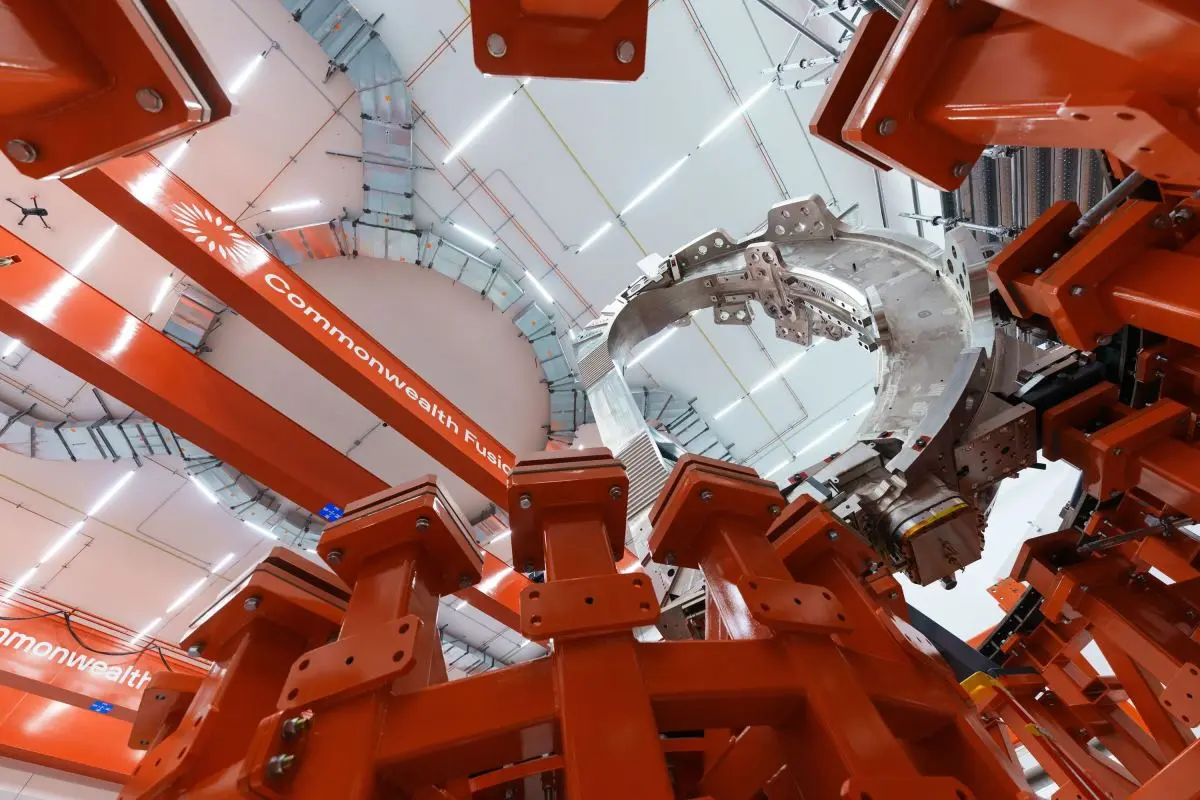
Commonwealth Fusion Systems installs first reactor magnet, partners with Nvidia on digital twin
06 Jan 2026•Technology
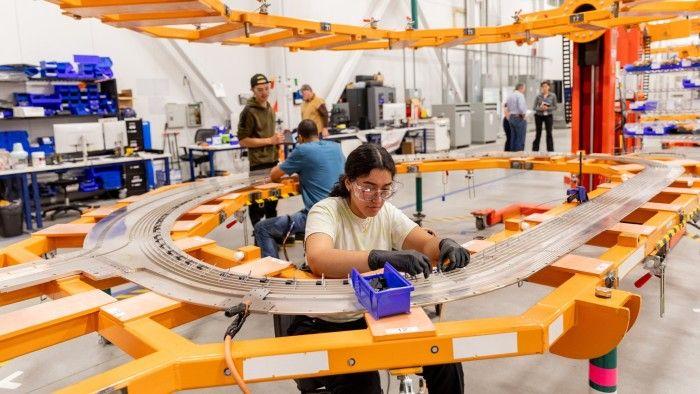
Commonwealth Fusion Systems Secures $863M in Funding to Advance Nuclear Fusion Technology
29 Aug 2025•Business and Economy
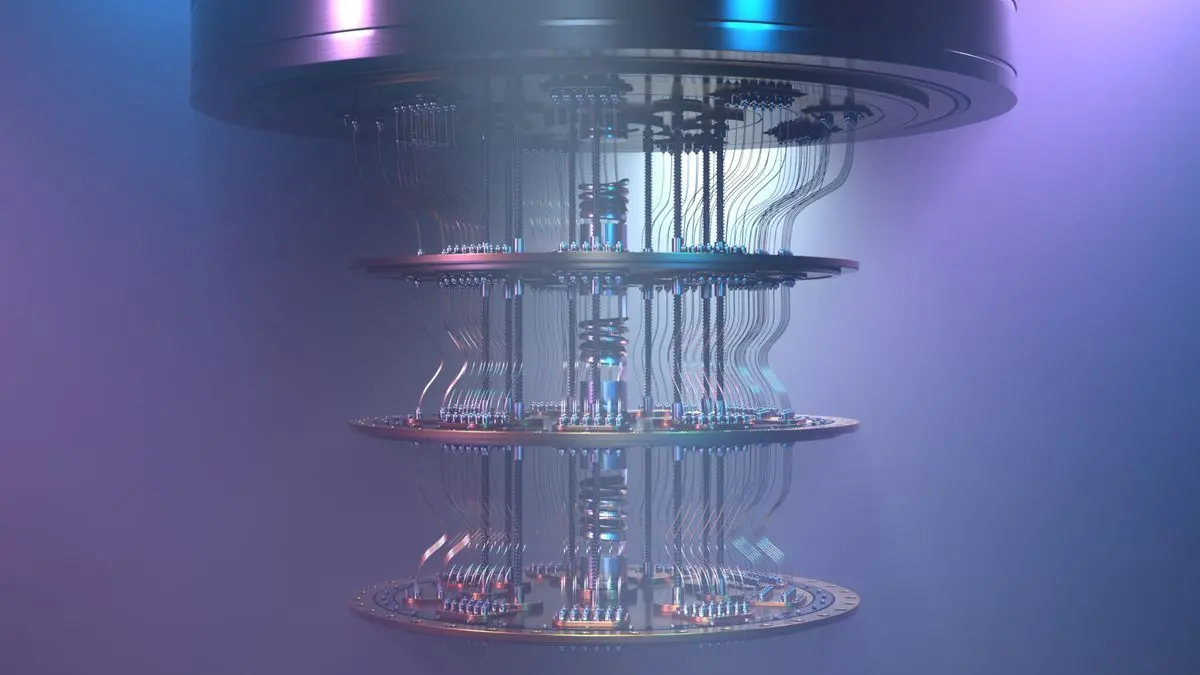
Quantum computing models tritium production, advancing nuclear fusion reactor designs
09 Jul 2026•Science and Research
Recent Highlights



Recent Highlights
Today's Top Stories



Don’t drown in AI news. We cut through the noise - filtering, ranking and summarizing the most important AI news, breakthroughs and research daily. Follow topics that matter to you and stay ahead.


