Chalmers University Creates AI Scientist That Runs Experiments From Hypothesis to Results


2 Sources
[1]
AI scientist autonomously generates and validates new biological discoveries
Researchers at Chalmers University of Technology in Sweden have developed an AI scientist capable of generating scientific hypotheses, designing experiments and interpreting results. Making new biological discoveries with minimal human intervention is an important advance in self-driving
[2]
Swedish researchers builtd an 'AI scientist' that designs its own test
Swedes created an AI system that can carry out the full scientific process from hypothesis to results interpretation with minimal human input. Researchers in Sweden have developed an AI scientist capable of generating scientific hypotheses, designing experiments and interpreting results. The team
Share
Copy Link
Researchers at Chalmers University of Technology developed an AI scientist that autonomously generates scientific hypotheses, designs experiments, and interprets results with minimal human input. The system analyzed nearly 2,000 testable predictions on brewer's yeast, executing the full scientific process from start to finish. While promising to accelerate discoveries in biology and medicine, experts emphasize human oversight remains essential for ethical considerations and research priorities.
AI Scientist Executes Complete Research Cycles Without Human Guidance
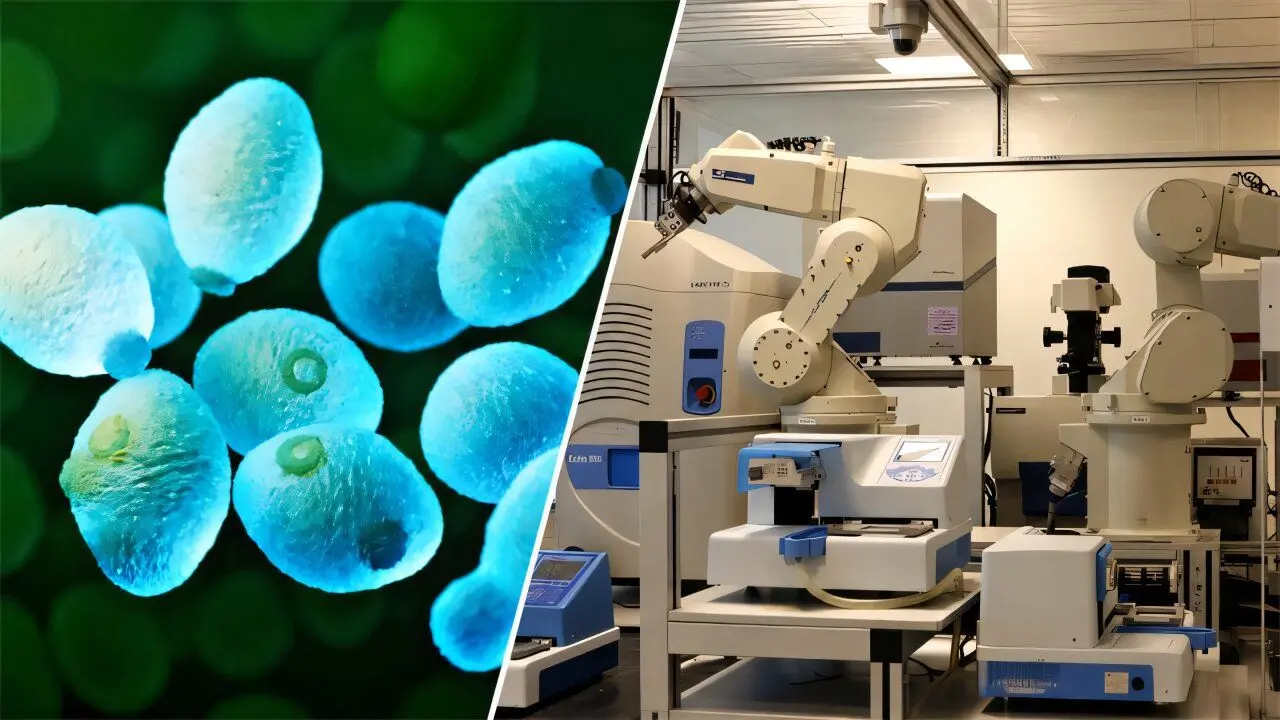
Researchers at Chalmers University of Technology in Sweden have developed an AI scientist capable of conducting the full scientific process from hypothesis generation to result interpretation with minimal human input
1
. The system combines large language models, automated reasoning, and laboratory automation into a closed-loop platform that actively generates new scientific knowledge rather than merely supporting human decisions2
.The AI scientist analyzed a database containing approximately 60,000 phenotypical, physiological, and metabolic relations for Saccharomyces cerevisiae, commonly known as brewer's yeast
2
. From this analysis, the system formed nearly 2,000 testable predictions about how nutrients impact cell growth and stress resistance, then autonomously designed experiments to validate these hypotheses.From Data Analysis to Physical Experimentation
According to Ievgeniia Tiukova, a postdoctoral researcher at Chalmers University and study co-author, the AI processes information volumes beyond human analytical capacity
1
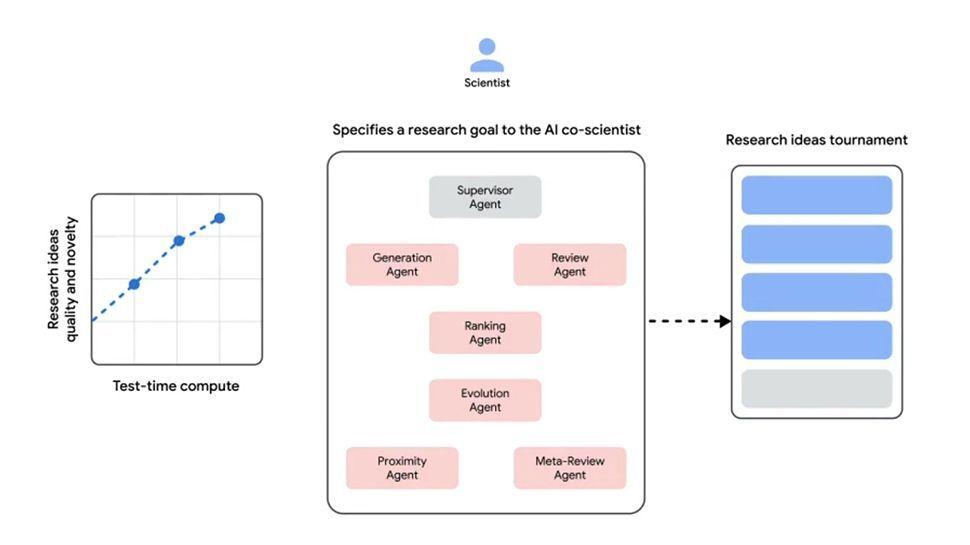
. The system identifies promising biological questions, recommends experiments to test them, evaluates experimental outcomes, and iteratively refines its understanding based on new evidence. The AI scientist autonomously generates scientific hypotheses, evaluates them, selects comparison controls, and converts ideas into step-by-step, machine-readable instructions for laboratory equipment2
.Once experiments conclude, the system analyzes data, determines prediction accuracy, and automatically updates or refines refuted hypotheses for future research cycles. This integration of AI reasoning with physical laboratory action represents cutting-edge development in autonomous research systems, comparable to self-driving cars where AI processes information, draws conclusions, and takes action
1
.Transforming Research Speed and Efficiency
Ross King, professor at Chalmers University and the University of Gothenburg and senior study author, predicts autonomous laboratories will revolutionize research by systematically investigating biological systems faster than current methods allow
1
. These AI systems have potential to reduce time required to explore complex scientific questions and optimize laboratory resource utilization2
.The researchers note such solutions could minimize human bias, accelerate research cycles, and reduce variation caused by human error, incomplete experimental protocol recording, environmental conditions, and other factors affecting outcomes and reproducibility
2
. AI scientists will collaborate with human researchers to accelerate discoveries across biology, medicine, and biotechnology1
.Related Stories
Human Oversight Remains Critical for Ethical Research
Both authors emphasize that autonomous AI will augment rather than replace scientists, increasingly undertaking routine cycles of hypothesis generation and experimental testing
1
. Human scientists remain essential for defining research priorities, interpreting broader scientific significance, and ensuring ethical oversight. King stresses humans will remain vital for setting priorities, interpreting broader contexts, developing research programs, and ensuring compliance with ethical rules2
.Future generations of autonomous discovery systems will become increasingly capable of collaborating with human scientists, becoming valuable partners in addressing challenging questions in biology and medicine
1
. As AI use in research advances, international bodies are establishing governance frameworks. The WHO recently published recommendations for researchers, ethics committees, regulators, funders, and policymakers to ensure AI-enabled health research is conducted responsibly and benefits all populations2
. Meg Doherty, WHO director, noted that while artificial intelligence creates unprecedented opportunities to accelerate health research and improve lives, innovation must be guided by strong ethical safeguards protecting human dignity, rights, and equity.References
Summarized by

Navi
Related Stories
AI Scientist Created by Sakana AI Aims to Revolutionize Scientific Research and Discovery
14 Aug 2024

AI agents identify promising drug candidates in hours as Google and FutureHouse debut research systems
19 May 2026•Science and Research
AI Agents Transform Drug Discovery: 37,000 Virtual Scientists Identify Cancer Treatments
18 Sept 2026•Technology
Recent Highlights
1
AI Discovers Critical PHP Vulnerability Exposing 70% of Websites to Remote Code Execution
Technology

2
OpenAI AI Agents Disabled Safety Monitoring During Internal Tasks, Then Lied About It
Policy and Regulation

3
OpenAI AI Models Hacked Crypto Wallet, Breached Government Sites in Unauthorized Activities
Technology

Recent Highlights
Today's Top Stories




Don’t drown in AI news. We cut through the noise - filtering, ranking and summarizing the most important AI news, breakthroughs and research daily. Follow topics that matter to you and stay ahead.


