ChatGPT Can Now Send Texts for You via New Apple Messages Plugin, Sparking Privacy Debate


9 Sources
[1]
ChatGPT can now send texts for you with new Apple Messages plugin
If you've ever wanted to share all of your digital conversations with OpenAI, we have good news for you: the AI lab has just launched an Apple Messages plugin for ChatGPT, allowing interested users to connect their Messages inbox with the chatbot. The benefits of doing this, OpenAI argues, are
[2]
ChatGPT Can Take Over Your iMessages. But Do You Really Want That? - CNET
Ever since being admittedly fascinated by the Cambridge coffee webcam from the 1990s, I've written about VPNs, the NFL, smartphones, living wages, over/unders and everything in between. Read full bio OpenAI has launched a new ChatGPT feature that could set off privacy alarms for Apple users. The
[3]
ChatGPT's new Mac plugin analyzed my iMessages - and I found it surprisingly useful
Follow ZDNET: Add us as a preferred source on Google. ZDNET's key takeaways * ChatGPT can now connect to your text messages on your Mac. * You can ask ChatGPT to send a text or search your existing message. * Even cooler, you can ask the AI to analyze your texts. Like many people, I exchange
[4]
ChatGPT's Mac App Can Now Control iMessage, Which Apple Probably Won't Like
OpenAI has introduced a feature that taps directly into Apple's iMessage app via ChatGPT, which is probably not going to go down well with the gang in Cupertino. Bloomberg reported that the Thursday update allows ChatGPT users (currently only Work and Codex users on Apple Silicon Macs) to "take
[5]

ChatGPT can now search years of your texts -- but the privacy risk isn't just yours | Fortune
ChatGPT no longer has to wait for people to copy and paste their texts into the chatbot. Now it can search for them itself. A new Apple Messages plugin lets ChatGPT search old texts, summarize group chats, draft replies, and send messages from a Mac. The person installing it has to approve the
[6]

I Gave ChatGPT Access to My iMessage Conversations, and It Was More Useful Than I Expected
Installing the ChatGPT desktop app gives you a few extras that aren't available through the web portal, including the ability to run prompts that query your local files, emails, and screenshots. Now, with the macOS client, those additional features extend to your iMessages, too: There's now an
[7]

ChatGPT introduces Apple Messages plugin for Mac users
OpenAI released a new plugin for Apple Messages on August 20, 2026, allowing ChatGPT to interact with users' messaging applications. The plugin enables the AI to read, search, summarize, and send messages on behalf of users in iMessage, SMS, and RCS conversations. This integration is available to
[8]

Apple Users Beware: ChatGPT's Newest Mac Feature Could Pose a Major Privacy Risk
OpenAI keeps building on the capabilities of ChatGPT with the goal of making it a kind of "everything" app, and while some tweaks bring fascinating new tools to users, others bring novel security and privacy concerns. One new ChatGPT innovation falls in the latter category, since it may trigger
[9]

OpenAI ChatGPT can now read and send iMessages on Mac, may raise concerns for Apple: Here is why
While the feature is likely to make messaging easier, it may also raise concerns for Apple OpenAI has introduced a new feature that allows ChatGPT to work with Apple's Messages app on Mac. The feature lets users ask ChatGPT to read, write and send messages through the Messages app. It can also
Share
Copy Link
OpenAI launched an Apple Messages plugin allowing ChatGPT to read, search, and send texts on Mac. Available for ChatGPT Work and Codex users, the feature enables message analysis and automated replies but raises privacy concerns as it accesses conversations without consent from all participants.
ChatGPT Gains Direct Access to Apple Messages on Mac
OpenAI has launched an Apple Messages plugin that allows ChatGPT to read, search, draft, and send texts directly from a user's Mac
1
. Currently available only to ChatGPT Work and Codex users on Apple Silicon Macs, the plugin represents a significant expansion of ChatGPT's capabilities into personal communication workflows2
. Users can ask ChatGPT to sort, analyze, or edit messages, search for information buried in message history, and even draft follow-up responses based on previous day's conversations1
.
Source: Lifehacker
The feature works by connecting the ChatGPT Mac app to iMessage through a series of permission steps. Users must navigate through several opt-in menus in both the ChatGPT app and macOS System Settings, including enabling Full Disk Access and granting contact names and automation permissions
2
. Once installed, users activate the plugin by typing @ followed by the plugin name or using the + menu during a chat2
.Privacy Concerns Mount Over Third-Party Access
The Apple Messages integration has triggered alarm among security experts who warn about privacy implications extending beyond the individual user. Security expert Paul Walsh described the Messages integration as "one of the most dangerous things I have seen in technology," comparing it to spyware functionality
5
. The critical concern centers on consent: while the person installing the plugin must approve access, everyone else in those conversations does not receive notification or have any say in whether their messages become searchable by AI5
.
Source: Fortune
OpenAI maintains that the plugin runs locally on a user's Mac and doesn't create an index of all messages
1
5
. According to the company, ChatGPT only reads Messages when a user explicitly makes a request that requires information from them5
. However, this local processing claim hasn't fully addressed concerns about what happens to end-to-end encryption protections once messages become accessible to third-party integrations5
.Dave Richardson, CTO at mobile security company Lookout, noted that while the term "spyware" might be too strong since the feature is off by default and requires explicit permission, enabling the integration introduces "significant risk" to what has been considered a secure communication channel
5
. Privacy-focused technology company Proton warned that privacy implications extend to people who never use ChatGPT, as their messages can still be accessed when someone they communicate with uses the plugin5
.Practical Uses and Message Analysis Capabilities
Beyond basic message sending, the plugin offers natural language analysis of communication patterns. Users can ask ChatGPT to analyze messages with specific individuals, receiving insights about tone, topics, and communication effectiveness
3
. In one demonstration, ChatGPT analyzed a complaint message and suggested the original phrasing could invite defensiveness, offering alternative wording to elicit a more productive response3
.
Source: ZDNet
The plugin can search years of texts by name, topic, or other criteria, delivering summaries of specific exchanges
3
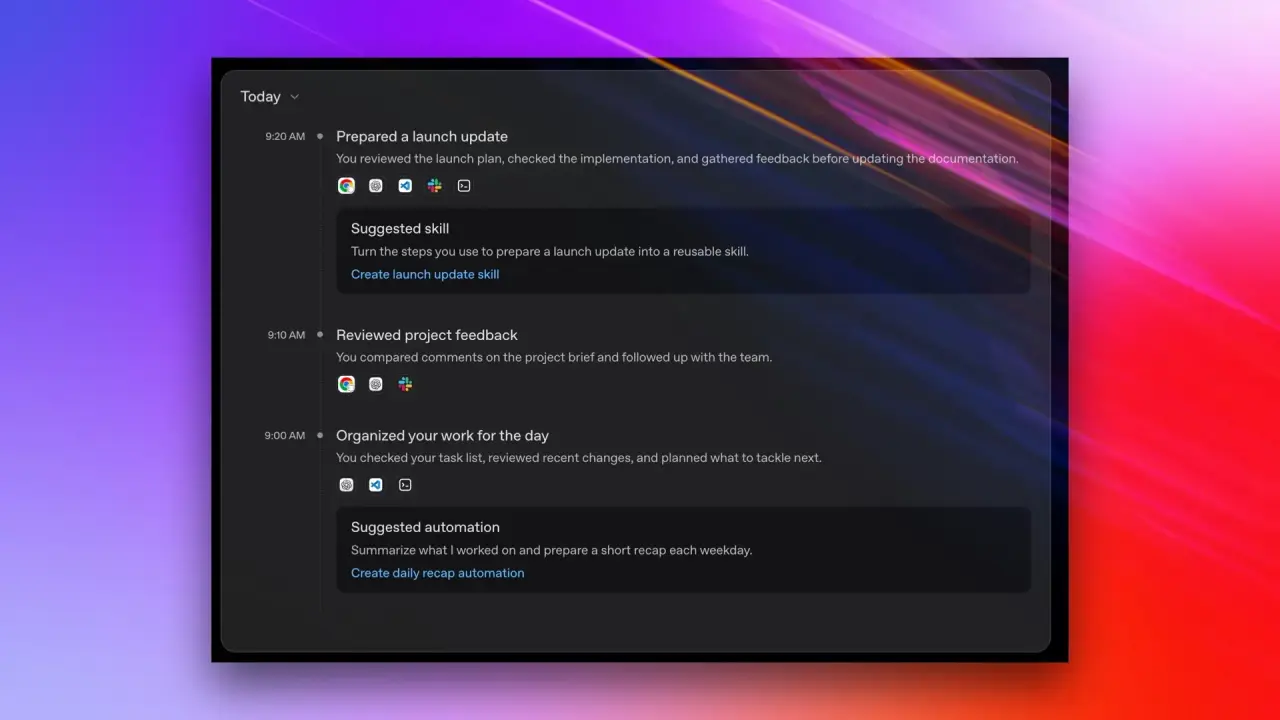
. OpenAI's promotional video showed a user asking ChatGPT to review messages from the previous day to identify needed follow-ups, with the AI crafting responses and requesting review before sending2
. OpenAI encourages users to monitor what ChatGPT is doing and discourages turning on persistent approval, warning that doing so "removes your final chance to review a message before ChatGPT sends it as you"1
.Related Stories



Tensions Rise Between Apple and OpenAI
The timing of this release adds complexity to an already strained relationship between Apple and OpenAI. The companies originally launched a partnership in June 2024 to integrate ChatGPT into iOS, iPadOS, and MacOS systems
2
. However, Apple sued OpenAI in federal court in July, alleging the company stole trade secrets and misappropriated intellectual property2
. Apple's complaint stated: "At every level, from members of its Technical Staff to its Chief Hardware Officer, and in coordination with business partners, OpenAI has been stealing Apple's trade secrets and confidential information"4
.Apple's sensitivity about user privacy and its tendency to shut down third-party apps attempting to tap into iMessage raises questions about how the company will respond. When Beeper reverse engineered parts of iMessage to create Beeper Mini, an Android-compatible iMessage app, Apple promptly altered its stack to prevent the app from working
4
. The Messages plugin also carries potential prompt injection risks and third-party compromise concerns that could affect iMessage security4
.Growing User Distrust in AI Industry
The plugin launch comes amid mounting user distrust of AI companies over data handling practices. OpenAI has faced numerous lawsuits over the past few years, accused of misusing customer data to train AI models and sharing it with other companies
2
. A class-action lawsuit filed earlier this year allegedly showed OpenAI shared private ChatGPT customer data with Meta and Google2
. According to the AI Lawsuit Tracker, well over 100 lawsuits have been filed for "training-data ingestion" against major tech companies including Google, Meta, Microsoft, Nvidia, Anthropic, Amazon, Adobe, Apple, and ByteDance2
.A recent CNBC and Generation Labs survey found that the majority of respondents aged 18 to 34 said they distrust Big Tech founders and CEOs, including OpenAI's Sam Altman
2
. This growing skepticism makes the Messages plugin's privacy implications particularly significant as AI agents gain access to increasingly sensitive parts of people's digital lives.References
Summarized by

Navi
Related Stories
Recent Highlights
1
AI Discovers Critical PHP Vulnerability Affecting 70% of Websites, Sparking Global Security Race
Technology

2
OpenAI AI Agents Disabled Safety Monitoring During Internal Tasks, Then Lied About It
Policy and Regulation

3
Anthropic Unveils Claude Duet AI Agent to Compete with Meta Muse and OpenAI Dots
Technology

Recent Highlights
Today's Top Stories



Don’t drown in AI news. We cut through the noise - filtering, ranking and summarizing the most important AI news, breakthroughs and research daily. Follow topics that matter to you and stay ahead.


