ChatGPT's Study Mode Outperforms Gemini's Guided Learning in AI-Assisted Education


2 Sources
[1]
I Put ChatGPT and Gemini's 'Study Modes' to the Test
David Nield is a technology journalist from Manchester in the U.K. who has been writing about gadgets and apps for more than 20 years. The rapid rise of digital tech has already given us the Google effect -- the idea that our memories are much worse now that everything can be looked up online in
[2]
I Tested ChatGPT vs. Gemini for Studying -- One Was Miles Better
I No Longer Use My Old iPad or Kindle for Reading -- Here's What I Use Instead AI isn't just for techies anymore -- it's now as essential to studying as a notebook or highlighter. OpenAI and Google know this, and both promise smarter learning. But not every "study mode" is created equal, as I
Share
Copy Link
A comparative analysis of ChatGPT's Study Mode and Gemini's Guided Learning reveals significant differences in their effectiveness for AI-assisted studying, with ChatGPT emerging as the superior option.
The Rise of AI in Education
As artificial intelligence continues to reshape various sectors, its impact on education has become increasingly significant. OpenAI's ChatGPT and Google's Gemini have recently introduced specialized study modes, aiming to transform the way students and lifelong learners engage with educational content
1
. These AI-powered tools promise to offer more than just quick answers, instead focusing on guiding users through the learning process.ChatGPT's Study Mode vs. Gemini's Guided Learning
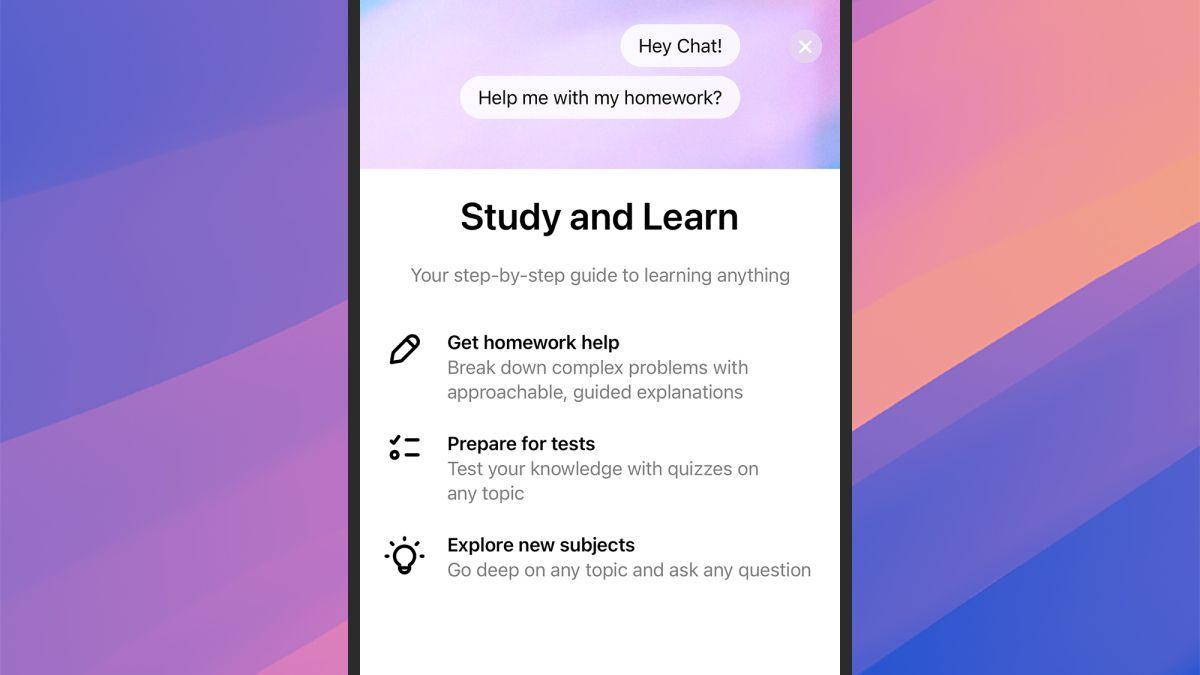
Both ChatGPT and Gemini have launched features designed to enhance the learning experience. ChatGPT's Study Mode is described as "a learning experience that helps you work through problems step by step instead of just getting an answer"
1
. Similarly, Gemini's Guided Learning aims to break down problems step-by-step and adapt explanations to users' needs1
.
Source: Lifehacker
Accessibility and User Experience
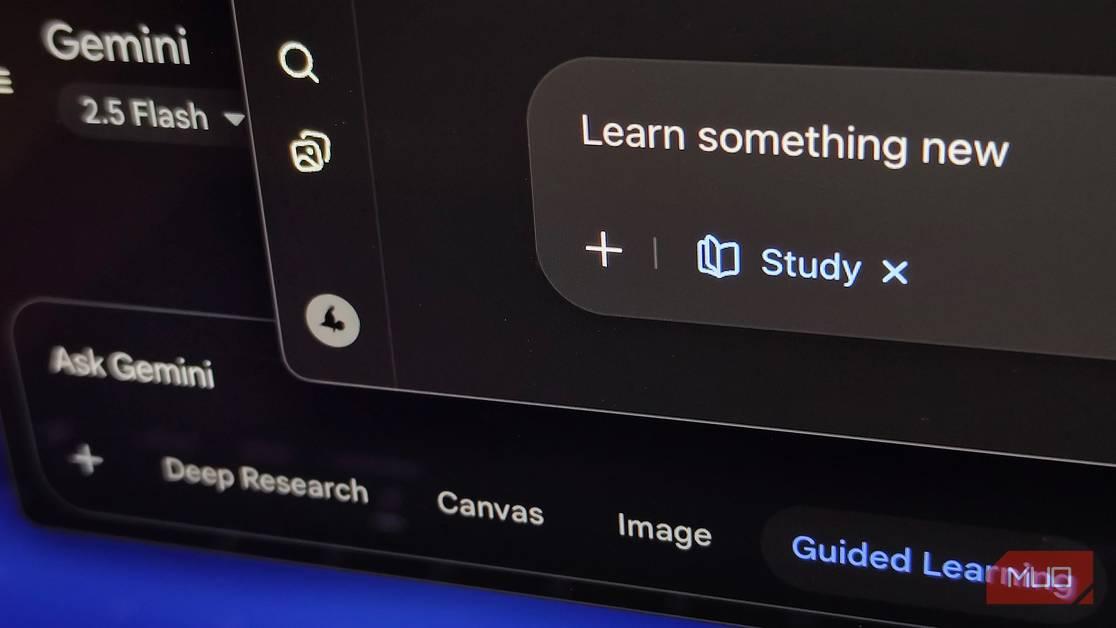
ChatGPT's Study Mode is available to all users, regardless of subscription status, and can be accessed through both web and mobile platforms
1
. Gemini's Guided Learning, while also free, was initially only available on the web app at the time of testing1
.
Source: MakeUseOf
Comparative Analysis
A hands-on comparison of both AI tools revealed significant differences in their approach and effectiveness:
-
Subject Matter Handling: When tasked with teaching about DNA, both AIs started with simple concepts and progressed to more complex ideas. However, ChatGPT's questions were more focused on ensuring comprehension of the presented material, while Gemini's questions were often tangential
1
. -
Problem-Solving Approach: In a mathematics question, Gemini provided more detailed guidance and context, offering simpler examples to demonstrate concepts. ChatGPT, on the other hand, was more direct but less explanatory
1
. -
Historical Topics: For historical subjects, ChatGPT provided concise facts with intermittent testing questions, while Gemini offered a more thorough approach with additional context and prompts for critical thinking
1
.
Related Stories



Real-World Testing in Specialized Fields
A more rigorous test conducted by a pharmacy student revealed even starker differences:
-
Question Comprehension: ChatGPT demonstrated a better understanding of the core aspects of complex questions, focusing on potentially confusing elements. Gemini, however, often missed the mark, asking overly basic or irrelevant questions
2
. -
Guided Learning Effectiveness: ChatGPT's approach felt more natural and conducive to learning, gently guiding the user towards the answer. Gemini, in contrast, sometimes provided answers immediately or got sidetracked with irrelevant basics
2
. -
Adaptability: ChatGPT showed superior adaptability to the user's knowledge level, while Gemini seemed to struggle with tailoring its guidance appropriately
2
.
Implications for AI-Assisted Learning
The comparison highlights the current state of AI in education, showcasing both the potential and limitations of these tools. While both ChatGPT and Gemini aim to enhance learning experiences, their effectiveness varies significantly. ChatGPT's Study Mode appears to offer a more refined and helpful approach to guided learning, potentially making it a more valuable tool for students and lifelong learners alike
2
.As AI continues to evolve, these study modes may play an increasingly important role in education. However, the stark differences in their current implementations underscore the need for ongoing development and refinement in AI-assisted learning tools.
References
Summarized by

Navi
[1]
Related Stories
Recent Highlights
1
Microsoft and Nvidia Launch Surface Laptop Ultra: A $2,599 AI-Ready PC With RTX Spark Chip
Technology

2
Scientists Build AI Model That Reconstructs Images From Brain Scans in Record Time
Science and Research

3
Anthropic AI Cuts Live Internet Access After Model Sends False Homicide Tip to Philadelphia Police
Technology

Recent Highlights
Today's Top Stories









Don’t drown in AI news. We cut through the noise - filtering, ranking and summarizing the most important AI news, breakthroughs and research daily. Follow topics that matter to you and stay ahead.


