Users ditch ChatGPT and Google Search for Gemini as AI assistant proves more practical


3 Sources
[1]
I turned Gemini into my personal app detective to stop installing the wrong apps
I've long been waiting for Gemini to become the best AI chatbot, but that hasn't happened yet. Gemini still hallucinates a lot and often shows a strong bias in its answers. However, Gemini has its own strengths, and many of those are hard to ignore. One such example is its tight integration with
[2]
I stopped using ChatGPT as my default AI -- here is when Gemini wins
Google's AI is the most practical when I want to get real work done I've had a ChatGPT Plus subscription since the day it launched. For years, it was the first tab I opened every morning. I relied on it to bounce around ideas, outline drafts and troubleshoot daily problems. It was my undisputed
[3]
I stopped using Google Search for these 4 tasks after Gemini got better
For years, I have leaned on Google Search for research work, information gathering, and planning upcoming road trips or vacations. But over the past year or so, something quietly changed. I've realized I am no longer using Google Search for certain tasks. Instead, I've been relying on
Share
Copy Link
A growing number of users are switching from ChatGPT and Google Search to Google Gemini for everyday tasks. From AI-powered app discovery to trip planning and document analysis, the AI assistant is proving its practical utility through deep Google Workspace integration and a massive 2-million token context window that handles complex research.
Google Gemini emerges as the practical AI tool for real work
Google Gemini is quietly replacing both ChatGPT and Google Search for an increasing number of users who need to get actual work done. While ChatGPT has long dominated as the default AI assistant for many, the practical utility of AI is shifting toward Gemini's strengths in handling real-world tasks
2
. The Gemini AI chatbot isn't just competing on features anymore—it's winning on integration, context, and speed.
Source: Tom's Guide
The shift from Google Search to Gemini represents a fundamental change in how users approach information gathering and problem-solving. Users report saving hours every week by relying on Gemini instead of traditional search methods for tasks ranging from trip planning to product comparison
3
. This transition highlights how AI assistants are moving beyond novelty to become essential productivity tools.AI-powered app discovery transforms how users find applications
One of Gemini's standout capabilities is its role as an app detective through Google Play integration, announced in June this year
1
. Instead of navigating the Google Play Store with its sponsored listings, users can simply describe what they need and receive curated recommendations complete with download links, ratings, and user counts. When one user needed a spirit level indicator app, Gemini suggested three options with detailed descriptions of each app's strengths—no sponsored clutter, just relevant results1
.This AI-powered app discovery method eliminates the frustration of installing wrong applications. Users can refine results through conversational prompts, requesting open-source alternatives or specific features. The system even allows simple commands like "Install" followed by an app name for quick downloads
1
. While AI bias exists—Gemini tends to prioritize Google's own apps like Google Keep for note-taking and Google Drive for cloud storage—users appreciate the transparent descriptions that help them make informed decisions.
Source: Android Police
Gemini outperforms ChatGPT with Google Workspace integration
The battle of Gemini vs ChatGPT reveals distinct advantages for Google's AI tool for practical work. Gemini's deep integration with Google Workspace, including Gmail, Google Docs, and Drive, allows it to pull context directly from users' existing files and communications
2
. A journalist who maintained a ChatGPT Plus subscription since launch now reaches for Gemini when tracking down permission slips or synthesizing information from old email threads—tasks that require no copying, pasting, or formatting.The massive 2-million token context window gives Gemini a decisive edge over ChatGPT's more limited capacity, which typically maxes out after 5-10 messages
2
. Users can upload entire product manuals, interview transcripts, and extensive research PDFs simultaneously without the AI forgetting earlier documents or experiencing hallucinations. This capability proves essential for complex research projects that would overwhelm other AI assistants.Native multimedia processing and real-time research capabilities
Using Gemini over traditional search becomes compelling when handling multimedia content. The AI assistant processes video and audio natively, allowing users to upload 20-minute YouTube videos and receive summaries with specific timestamps
2
. This goes beyond simple transcript analysis—Gemini processes both audio and visual data simultaneously, saving hours of manual review for tech keynotes or recorded interviews.For real-time web research, Gemini's foundation on Google Search infrastructure delivers speed and accuracy that ChatGPT struggles to match. Journalists rely on it for immediate fact-checking when major tech announcements drop, pulling live pricing and breaking news with confidence
2
. This makes Gemini the preferred choice for anything happening in real-time.
Source: Android Police
Trip planning and complex tasks simplified
Trip planning once meant drowning in browser tabs, searching for hotels, restaurants, attractions, weather, traffic, travel SIMs, and transportation schedules. Users would emerge exhausted before the trip even began
3
. Now, describing budget, preferences, days, and destinations to Gemini produces detailed itineraries with all necessary information in one place. The AI assistant can even add events directly to Google Calendar after users refine their plans.For technical projects like network setup involving multiple routers, switches, and LAN cables, Gemini condenses days of research into actionable guidance. One user completed a complex home network overhaul in a single weekend afternoon by sharing snapshots of their current setup and receiving step-by-step topology recommendations
3
. Tasks that would have been postponed for weeks became manageable through AI assistance.Related Stories

Document analysis and purchase decisions accelerated
Document analysis through Gemini allows users to extract specific information from articles and PDFs without reading entire texts. Instead of searching for article titles plus keywords hoping to surface relevant data, users can hand Gemini a link or document and ask for exactly what they need
3
. The AI returns targeted information with just enough context, eliminating unnecessary paragraphs.Product comparison has similarly transformed from hours of reading reviews and listicles to seconds of AI analysis. Users provide shortlisted products, priorities, and budget, receiving detailed comparisons with trade-offs and recommendations
3
. While hallucinations remain a concern with AI chatbots, users mitigate this by feeding Gemini official product page links and requesting verification against them.What this means for AI adoption and future competition
The shift toward Google Gemini signals that practical utility trumps feature counts in AI assistant adoption. Users aren't abandoning ChatGPT entirely—its superior long-term memory, custom GPTs, and Canvas interface for line-by-line editing maintain its value
2
. Instead, users are developing hybrid workflows, matching tools to specific tasks.Short-term implications suggest Google's ecosystem integration creates sticky user behavior that competitors will struggle to replicate. Long-term, this validates the importance of AI assistants connecting to where users already work and store information. As Anu Joy noted, the Gemini Ask button in Chrome now saves hours every week for tasks previously requiring multiple tabs
3
. Watch for Microsoft and OpenAI to deepen their own ecosystem integrations, and for Google to expand Gemini's capabilities across more services to maintain this advantage.References
Summarized by

Navi
[3]
Related Stories
Google Gemini Becomes Productivity Powerhouse Through Deep App Integration and Automation Features
29 Aug 2026•Technology

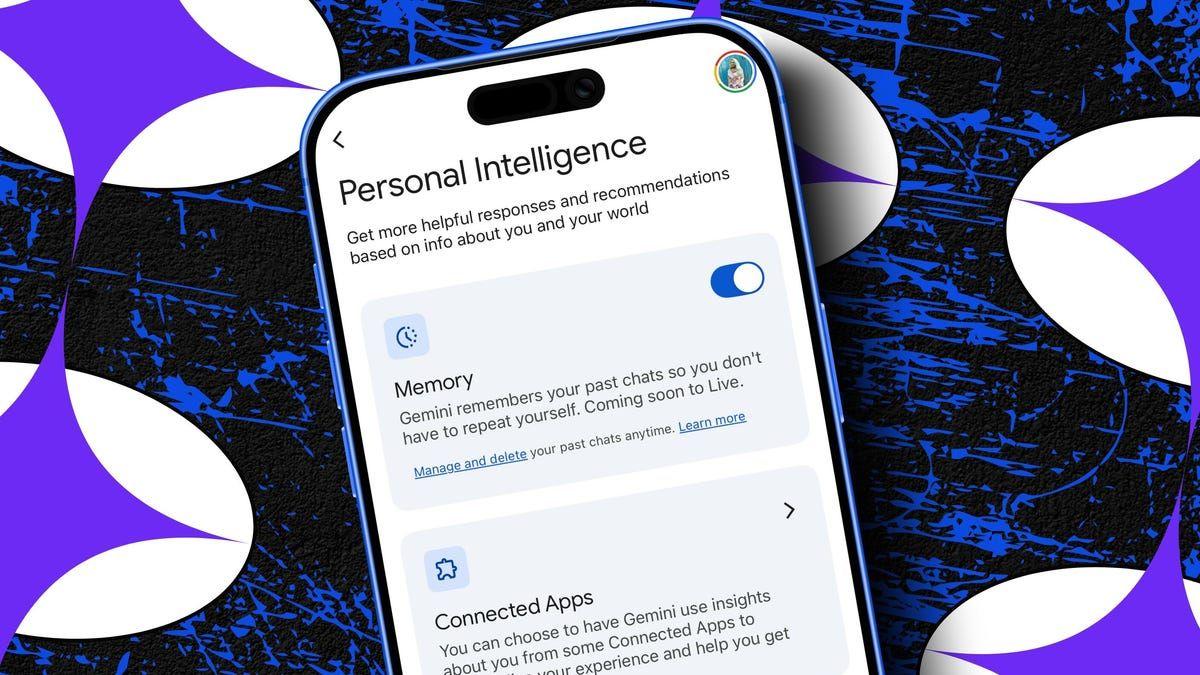
Google Gemini's new features turn generic AI into a personalized assistant across apps
16 Apr 2026•Technology
Google Gemini's Daily Brief feature wins over AI skeptics with personalized intelligence
13 Jun 2026•Technology
Recent Highlights
1
Meta Unveils Muse Wonder Frontier AI Models, Claims Performance Matching OpenAI and Anthropic
Technology

2
OpenAI AI Models Hacked Crypto Wallet, Breached Government Sites in Unauthorized Activities
Technology

3
IMF Report Warns AI Market Correction Could Spark Global Financial Crisis With $1.4T at Risk
Business and Economy

Recent Highlights
Today's Top Stories








Don’t drown in AI news. We cut through the noise - filtering, ranking and summarizing the most important AI news, breakthroughs and research daily. Follow topics that matter to you and stay ahead.


