Chicken Soup for the Soul sues Apple, Google, and five others over AI training data theft


2 Sources
[1]
Chicken Soup for the Soul publisher sues tech companies over AI training
March 18 (Reuters) - Book publisher Chicken Soup for the Soul sued several Big Tech companies in California federal court late Tuesday for allegedly misusing its content to train their artificial intelligence systems. The publisher said, opens new tab that Apple (AAPL.O), opens new tab, Google
[2]
Apple named in AI lawsuit over data set it says doesn't power Apple Intelligence - 9to5Mac
Apple is named in a new AI lawsuit by publisher Chicken Soup for the Soul, reports Reuters. However, the lawsuit points to a data set that Apple has already said doesn't power Apple Intelligence. Per the Reuters report: Book publisher Chicken Soup for the Soul sued several Big Tech companies in
Share
Copy Link
Book publisher Chicken Soup for the Soul filed a lawsuit against Apple, Google, Nvidia, Meta, OpenAI, Anthropic, and xAI in California federal court, alleging copyright infringement. The publisher claims these tech giants used pirated copies of its books from shadow libraries to train their AI systems without permission or compensation.
Publisher Sues Tech Companies Over AI Training Data
Chicken Soup for the Soul has launched an AI lawsuit against seven major technology companies, accusing them of copyright infringement for allegedly using pirated copies of its books to train their artificial intelligence systems. The lawsuit, filed in California federal court, targets Apple, Google, Nvidia, Meta, OpenAI, Anthropic, Perplexity AI, and Elon Musk's xAI
1
. The complaint represents one of the most sweeping legal challenges yet in the ongoing battle over AI training data, taking aim at multiple tech juggernauts simultaneously.The publisher, whose inspirational book series has sold more than 500 million copies worldwide, alleges that these companies illegally used pirated copies of books downloaded from shadow libraries including The Pile, LibGen, Z-Library, and Anna's Archive
1
. According to the lawsuit, defendants "helped themselves to the copyrighted works of thousands of authors" to train their large language models and chatbots2
.Why Chicken Soup Content Matters for LLMs
The lawsuit argues that Chicken Soup for the Soul's content is uniquely valuable for training AI to replicate human communication. The publisher's first-person narratives in "natural, conversational language that conveys emotion, moral reflection, and coherent storytelling in concise form" are particularly suited to teach AI systems to "replicate authentic human voice, narrative pacing, emotional tone, and story structure"
1
."Instead of paying for that value or licensing access to these works, Defendants pilfered illegal copies and used those copies to build systems now worth many hundreds of billions of dollars," the complaint states
1
. Kyle Roche, partner at Freedman Normand Friedland representing the publisher, emphasized that "companies cannot build billion-dollar technologies on stolen creative expression"1
.Apple's Defense: Research vs. Production Use
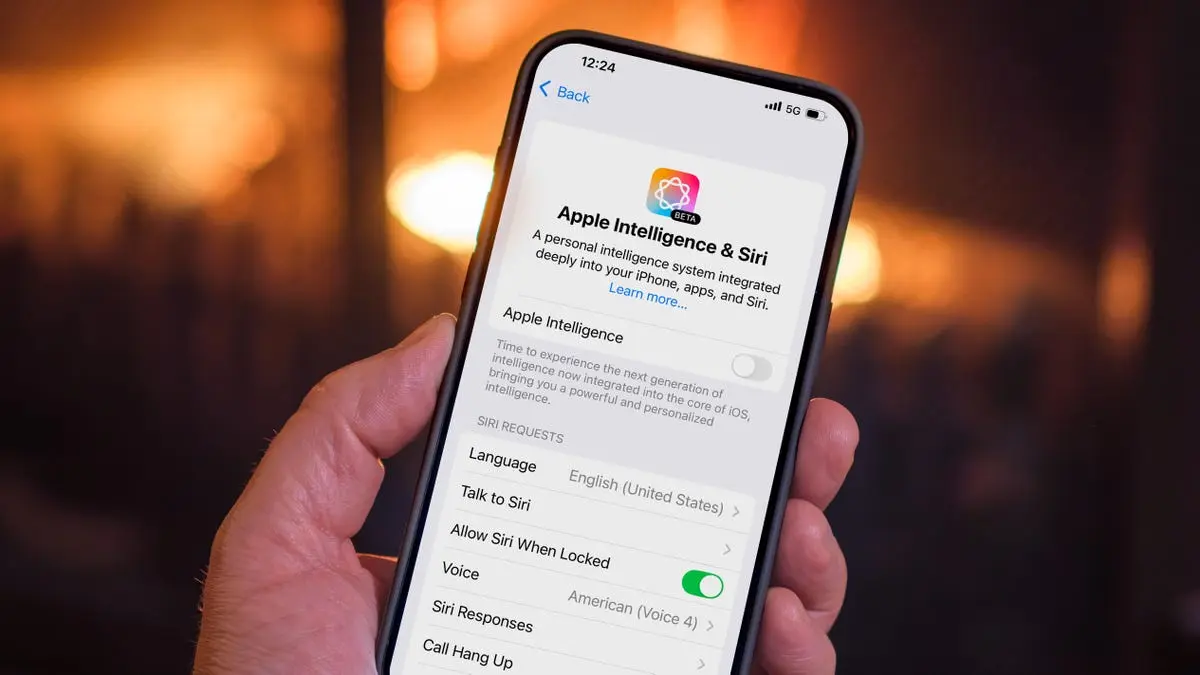
The lawsuit specifically alleges that Apple Foundation Models relied upon The Pile dataset to train their artificial intelligence systems
2
. However, Apple has previously stated that The Pile dataset was only used for research purposes and not actually deployed in any models powering Apple Intelligence or machine learning features2
.
Source: 9to5Mac
This distinction between research and production use could prove critical as the case unfolds. Whether courts will view this as a meaningful difference or merely a technical distinction remains to be seen, but it highlights the complex legal questions surrounding how copyright owners can protect their intellectual property in the AI era
2
.Related Stories

Broader Implications for AI Development
This lawsuit joins dozens of high-stakes cases brought by authors, news outlets, and other copyright owners against tech companies for using their work to train their large language models behind chatbots
1
. The same law firm, Freedman Normand Friedland, has brought similar ongoing litigation against Big Tech companies on behalf of writer John Carreyrou and other authors1
.
Source: Reuters
The outcome of these cases will likely shape how AI companies source training data moving forward. If courts side with publishers and copyright owners, tech companies may face substantial licensing costs or need to fundamentally restructure their approach to training AI models. For AI developers and companies building on these platforms, the legal uncertainty around AI training data represents a significant risk that could affect product roadmaps and business models. Watch for how defendants respond to these allegations and whether any settlements emerge that establish precedent for licensing agreements between publishers and AI companies.
References
Summarized by

Navi
Related Stories
Apple Faces Copyright Infringement Lawsuit Over AI Training Practices
11 Oct 2025•Technology

Apple Faces Copyright Lawsuit Over AI Training with Pirated Books
06 Sept 2025•Technology
John Carreyrou Sues Six AI Companies Over Unauthorized Use of Copyrighted Books for Training
23 Dec 2025•Policy and Regulation

Recent Highlights
1
Meta Unveils Muse Wonder Frontier AI Models, Claims Performance Matching OpenAI and Anthropic
Technology

2
IMF Report Warns AI Market Correction Could Spark Global Financial Crisis With $1.4T at Risk
Business and Economy

3
Eight States Sue OpenAI Over ChatGPT Safety Concerns and Unlawful Collection of Children's Data
Policy and Regulation

Recent Highlights
Today's Top Stories











Don’t drown in AI news. We cut through the noise - filtering, ranking and summarizing the most important AI news, breakthroughs and research daily. Follow topics that matter to you and stay ahead.


