China Proposes Mandatory Labeling for AI-Generated Content Online


3 Sources
[1]
China proposes mandatory red flags placed on all AI-generated content posted online
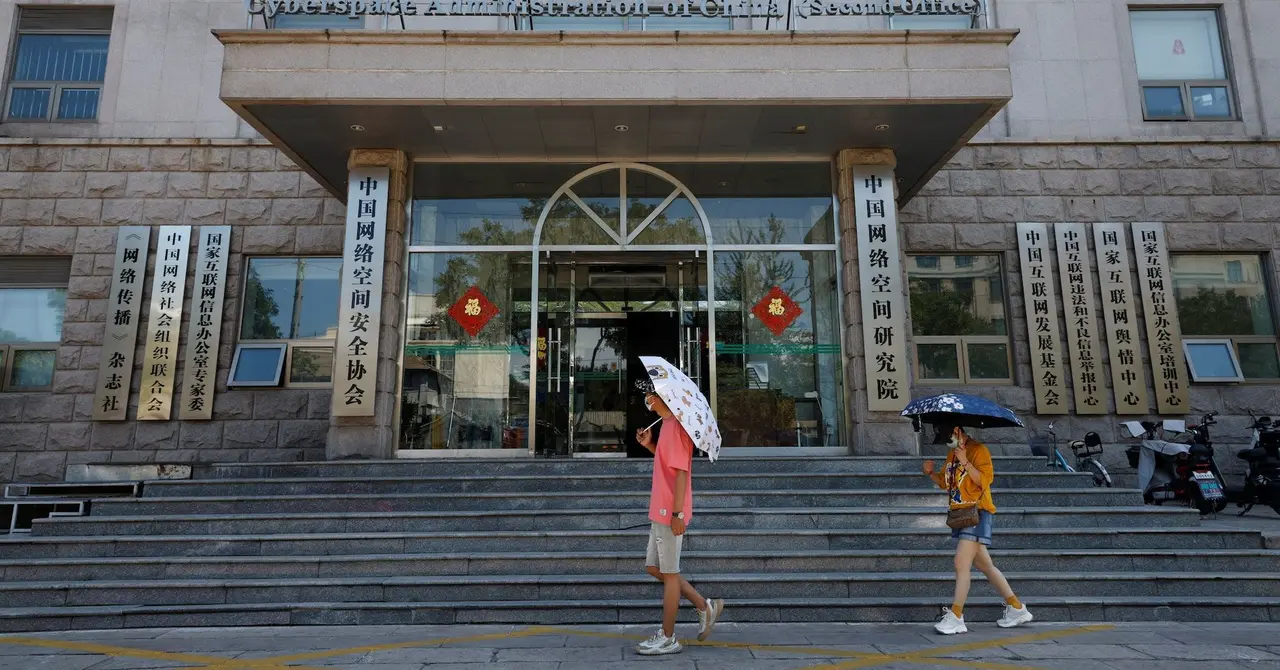
The notoriously strict Cyberspace Administration of China wants to regulate generative AI. On Saturday, the Cyberspace Administration of China announced a likely-to-be-enforced draft plan to enforce mandatory red-flagging of all generative AI content posted online in China [h/t The Register].
[2]
China wants red flags on all AI-generated content
Visible and audible warnings, plus metadata, with absence of info considered suspicious China's internet regulator on Saturday proposed a strict regime that will, if adopted, require digital platforms to label content created by artificial intelligence. The Cyberspace Administration of China
[3]
China to Require All AI-Generated Content to Be Labeled Clearly
The Chinese internet authority has proposed strict regulations for AI images requiring them to be clearly labeled and have embedded metadata. The Cyberspace Administration of China unveiled its draft plan over the weekend which recommends all AI-generated content, including pictures, video, and
Share
Copy Link
China's Cyberspace Administration has drafted new regulations requiring clear identification of AI-generated content across online platforms. The move aims to combat misinformation and regulate the rapidly growing AI industry.

China's New AI Content Regulation
In a significant move to regulate artificial intelligence, China's Cyberspace Administration has proposed new rules that would require all AI-generated content posted online to be clearly labeled. This draft regulation, announced on September 15, 2023, aims to address the growing concerns surrounding the spread of misinformation and the potential misuse of AI technologies
1
.Scope and Implementation
The proposed regulations would apply to a wide range of online content, including text, images, audio, and video. Under these rules, AI-generated content must be marked with a prominent "logo or watermark" to distinguish it from human-created material. This labeling requirement would extend to various online platforms, including social media, news sites, and search engines
2
.Responsibilities of Service Providers
The draft regulations place significant responsibilities on service providers. Companies offering AI-generated content services would be required to:
- Establish robust content management systems
- Implement real-name verification for users
- Maintain logs of AI-generated content
- Conduct regular security assessments
These measures aim to ensure accountability and traceability in the creation and distribution of AI-generated content
3
.Implications for the AI Industry
The proposed regulations reflect China's broader efforts to establish itself as a leader in AI governance. By implementing these rules, China aims to strike a balance between fostering AI innovation and mitigating potential risks associated with the technology. The regulations could significantly impact how AI-generated content is created, shared, and consumed within the country
1
.Global Context and Reactions
China's move comes amid growing global concerns about the proliferation of AI-generated content and its potential to spread misinformation. Other countries and tech companies are also grappling with similar issues, but China's approach represents one of the most comprehensive attempts to regulate AI-generated content to date
2
.Related Stories

Challenges and Criticisms
While the proposed regulations aim to increase transparency, they also raise questions about implementation and effectiveness. Critics argue that determining the origin of content in a rapidly evolving AI landscape could prove challenging. There are also concerns about potential impacts on freedom of expression and creativity
3
.Next Steps
The draft regulations are currently open for public comment until September 24, 2023. Following this period, the Cyberspace Administration of China will review feedback and potentially revise the rules before their final implementation. The global tech community and policymakers will be closely watching how these regulations unfold and their potential influence on AI governance worldwide
1
.References
Summarized by

Navi
[1]
[2]
Related Stories
China's Ambitious AI Content Labeling Initiative: Balancing Innovation and Regulation
27 Sept 2024

China Implements Strict AI Content Labeling Law on Social Media Platforms
02 Sept 2025•Policy and Regulation

China drafts AI regulations banning virtual relationships for minors, requiring digital human labels
03 Apr 2026•Policy and Regulation
Recent Highlights



Recent Highlights
Today's Top Stories



Don’t drown in AI news. We cut through the noise - filtering, ranking and summarizing the most important AI news, breakthroughs and research daily. Follow topics that matter to you and stay ahead.


