China's Ambitious Plan to Create a National Computing Power Network Faces Challenges


3 Sources
[1]
China is developing nation-spanning network to sell surplus data center compute power -- latency, disparate hardware are key hurdles
Wedding Nvidia CUDA and Huawei CANN in a single cloud service? After a rapid expansion left China with excess capacity of compute power in underused data centers, the country is reevaluating its approach to data center development. Authorities are now working on a national plan to regulate growth,
[2]
China plans network to sell surplus computing power in crackdown on data centre glut
July 24 (Reuters) - China is taking steps to build a network to sell computing power and curb the unwieldy growth of data centres after thousands of local government-backed centres that sprouted in the country caused a capacity glut and threatened their viability. The state planner is conducting a
[3]
China plans network to sell surplus computing power in crackdown on data centre glut
China is actively developing a national network to distribute computing power and address the oversupply of data centers. The initiative follows a period of rapid expansion and aims to consolidate resources, improve efficiency, and support the country's AI ambitions. Challenges remain in achieving
Share
Copy Link
China is developing a nationwide network to sell surplus data center computing power, aiming to address overcapacity issues and boost AI capabilities. However, the project faces significant technical hurdles.
China's Ambitious Data Center Initiative
China is embarking on an ambitious project to create a nationwide network for selling surplus computing power from its data centers. This initiative comes in response to a significant overcapacity issue that has emerged following a rapid expansion of data center construction across the country
1
2
3
.The 'Eastern Data, Western Computing' Strategy
The surge in data center development was initially driven by China's 'Eastern Data, Western Computing' strategy, launched in 2022. This plan aimed to concentrate data center facilities in western regions, where energy costs are lower, to meet the computing demands of the eastern economic zones
1
2
. The Ministry of Industry and Information Technology (MIIT) has licensed at least 7,000 computing centers as part of this initiative2
.Overcapacity and Underutilization
Despite the ambitious plans, many of these data centers are now operating well below capacity:
- Utilization rates are estimated to be around 20-30%
2
- Over 100 data center projects have been cancelled in the past 18 months
1
2
- State investment in data centers surged to 24.7 billion yuan ($3.4 billion) in 2024, up from 2.4 billion yuan in 2023
2
The National Computing Power Network
To address these issues, Chinese authorities are now working on a plan to create a centralized cloud platform. This platform aims to:
- Aggregate unused computing power across the country
- Offer computing capacity as a service to users throughout China
- Optimize existing resources and regulate future growth
1
2
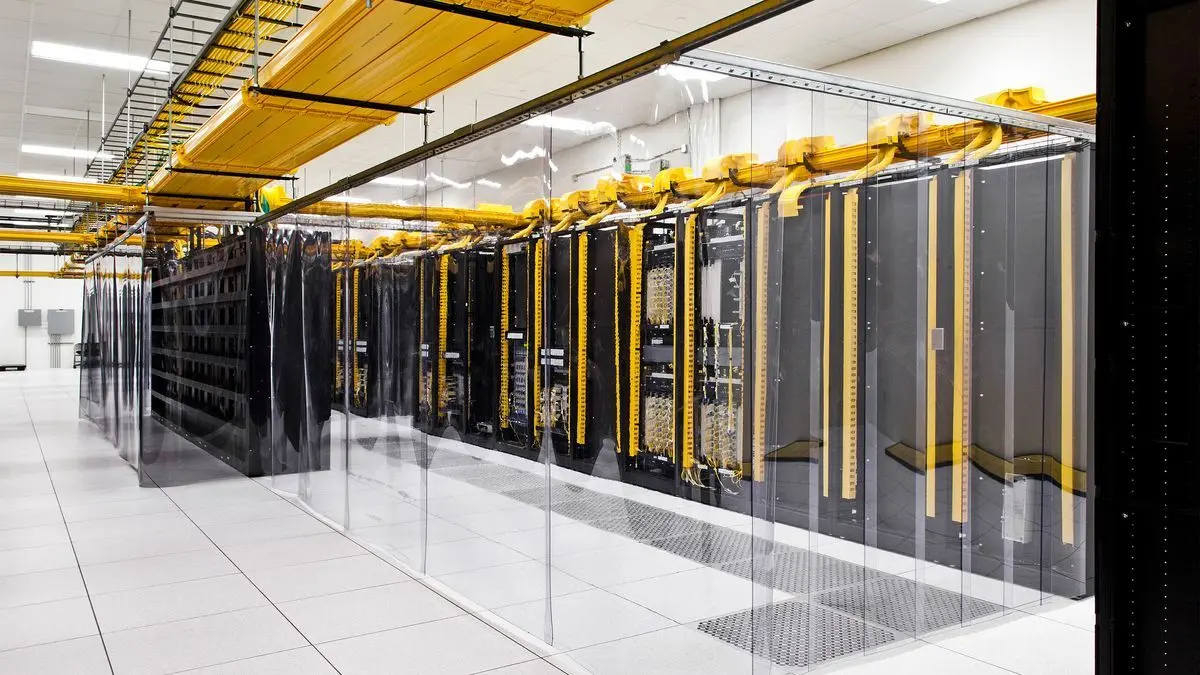
Source: Tom's Hardware
The Ministry of Industry and Information Technology is collaborating with state-owned telecom providers China Mobile, China Telecom, and China Unicom to develop this platform
1
2
.Technical Challenges
The implementation of this national computing network faces several significant hurdles:
-
Latency Issues: Many western-region centers fail to meet the 20-millisecond latency standard set by the government, which is crucial for real-time applications
1
2
. -
Hardware Diversity: Data centers use a variety of computing hardware, including Nvidia GPUs with CUDA software and Huawei's Ascend accelerators with CANN software, making integration challenging
1
3
. -
Real-time Power Transfer: The technology for efficiently transferring computing power to users in real-time is still underdeveloped
2
.
Related Stories

Regulatory Measures
To address these challenges and prevent further resource wastage, China's National Development and Reform Commission (NDRC) is taking several steps:
- Conducting a comprehensive review of the sector
- Imposing new restrictions to prevent overbuilding
- Banning small-scale computing infrastructure funded by local authorities
- Setting specific thresholds for new projects, including minimum utilization requirements
1
2
Future Outlook
Despite the challenges, Chinese officials remain committed to the national computing network. They believe that centralized scheduling and orchestration of computing power will support China's ambitions in AI and cloud services
1
. However, analysts caution that integrating diverse hardware is a complex endeavor that will take time and may not fully deliver on its promise1
3
.As China targets standardized interconnection of public computing power nationwide by 2028, the success of this initiative could have significant implications for the country's technological competitiveness and its race for AI supremacy with the United States
2
3
.References
Summarized by

Navi
[1]
Related Stories
China Shifts AI Data Centers to Rural West With $27 Billion in New Computing Projects
19 Aug 2026•Technology

China's Ambitious AI Data Center Plans Raise Questions About Chip Acquisition
10 Jul 2025•Technology

China's AI Data Center Boom Turns Bust: Billions in Idle Infrastructure as Market Shifts
28 Mar 2025•Business and Economy

Recent Highlights



Recent Highlights
Today's Top Stories







Don’t drown in AI news. We cut through the noise - filtering, ranking and summarizing the most important AI news, breakthroughs and research daily. Follow topics that matter to you and stay ahead.


