China Shifts AI Data Centers to Rural West With $27 Billion in New Computing Projects


7 Sources
[1]
The Unlikely Place at the Center of China's AI Boom
Travel just two hours west of Beijing by train, and you'll find yourself surrounded by the rolling grasslands and ancient cinder cones of Inner Mongolia. This vast, arid land has long been China's capital of sheep farming and coal mining, but over the last few years, it has become the hottest place
[2]
China shifting massive AI data center complexes to rural provinces to tap surplus energy -- 'Eastern Data, Western Computing' strategy has Chinese tech giants Huawei and Tencent building AI infrastructure Guizhou
These data centers are popping up left and right in rural China. Beijing has been encouraging its tech giants to build data centers across the country as the central government believes that computing power, especially in the age of AI, correlates to national power. Because of this, many Chinese
[3]
Inner Mongolia signs $27bn of AI computing projects
Inner Mongolia signed 186.46 billion yuan of green computing projects on Saturday and broke ground on a platform to sell Chinese AI services abroad. The grassland it all sits on used to graze cattle. Whether the provinces hosting China's compute gain much from it is still contested. Inner Mongolia
[4]
Guizhou is drowning in debt but hosts some of China's biggest data centers
While the West fights data centers, Chinese villages welcome them * China is moving its AI data centers into poor rural provinces * Guizhou offers cooler weather, cheap land, and abundant renewable power * New data centers must draw 80% of power from renewables China is significantly expanding
[5]

China goes rural with data centres in quest to power AI
Guian New Area (China) (AFP) - In China's hilly Guizhou province, a cluster of European-style buildings complete with clock tower and multi-arched bridge emits a low, permanent hum -- a clue to its unexpected identity as tech giant Huawei's largest data centre. They are part of a government
[6]

China relocates AI data centers to rural areas for renewable energy growth
China is relocating its artificial intelligence data centers to impoverished rural provinces as demand for computing power escalates. This shift is part of a broader strategy to expand data center capacity away from densely populated coastal areas and into less developed inland regions,
[7]

China data centres: China goes rural with data centres in quest to power AI
In China's hilly Guizhou province, a cluster of European-style buildings complete with clock tower and multi-arched bridge emits a low, permanent hum -- a clue to its unexpected identity as tech giant Huawei's largest data centre. Dozens ofdata centres have been constructed in the southwestern
Share
Copy Link
Inner Mongolia signed $27 billion worth of green computing projects as China accelerates its Eastern Data Western Computing strategy. Tech giants like Huawei, ByteDance, and Tencent are building massive AI infrastructure in rural provinces to tap cheap renewable energy and cool climates, though questions remain about actual economic benefits for host regions.
China Commits $27 Billion to AI Computing Projects in Inner Mongolia
Inner Mongolia signed 12 green computing projects worth 186.46 billion yuan ($27.49 billion) on Saturday, marking a major expansion of China AI data centers in the country's rural west
3
. The projects involve Volcano Engine, ByteDance's cloud arm, alongside Cambricon Technologies and China Telecom, covering green intelligent computing centres, token factories, and manufacturing for computing-power and electricity equipment3
. Construction also began on a service platform designed to sell Chinese AI services abroad, connecting overseas developers with Chinese AI models and green computing resources3
.Ulanqab Emerges as Fastest Growing Compute Cluster in Asia
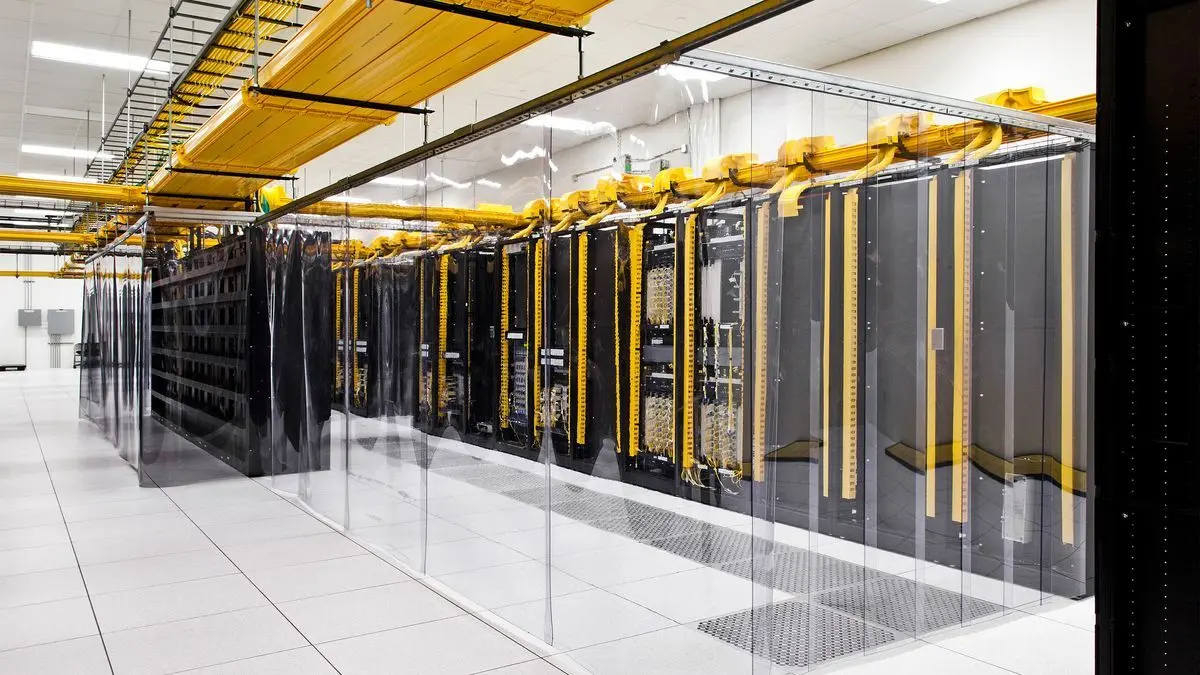
In Ulanqab, a city in Inner Mongolia home to about 1.5 million people, nearly 100 data centers have been opened or begun construction since 2016
1
. Chinese companies have pledged to build projects with a combined estimated capacity of 12.5 gigawatts in the city, with over 70 percent of total commitments announced in just the last year, making it one of the fastest growing compute clusters in Asia according to Goldman Sachs1
. For comparison, OpenAI's $500 billion Stargate Project is set to reach only 10 gigawatts of total capacity when complete1
. Ulanqab has reached 172,000 petaflops of operational capacity, with intelligent computing accounting for more than 95 percent of it3
.Eastern Data Western Computing Strategy Drives Rural Infrastructure Build-Out
The Eastern Data Western Computing strategy, formally named by the Chinese government in 2021, has seen much of the digital infrastructure for AI development across China's eastern seaboard established in the country's less populated, rural west
5
. Tech giants like Huawei and Tencent have been actively building AI infrastructure in rural provinces like Guizhou province, located more than 500 miles northwest of Shenzhen, where dozens of facilities have been constructed in recent years2
. DeepSeek is reportedly building a massive AI data center in Ulanqab, as are ByteDance, Alibaba, and Xiaohongshu, marking the first time Chinese AI companies are making big investments in their own infrastructure rather than renting compute from cloud companies1
.
Source: TechRadar
Renewable Energy and Cool Climate Make Rural Provinces Attractive
Chinese companies are flocking to rural provinces for several compelling reasons. Ulanqab sits at high elevation on the Inner Mongolian Plateau with long, cold winters, meaning data centers don't need to use as much energy to stay cool
1
. Hohhot has an average annual temperature of 7C, with more than 200 days a year cool enough for direct outdoor air cooling, cutting cooling costs by over 20 percent3
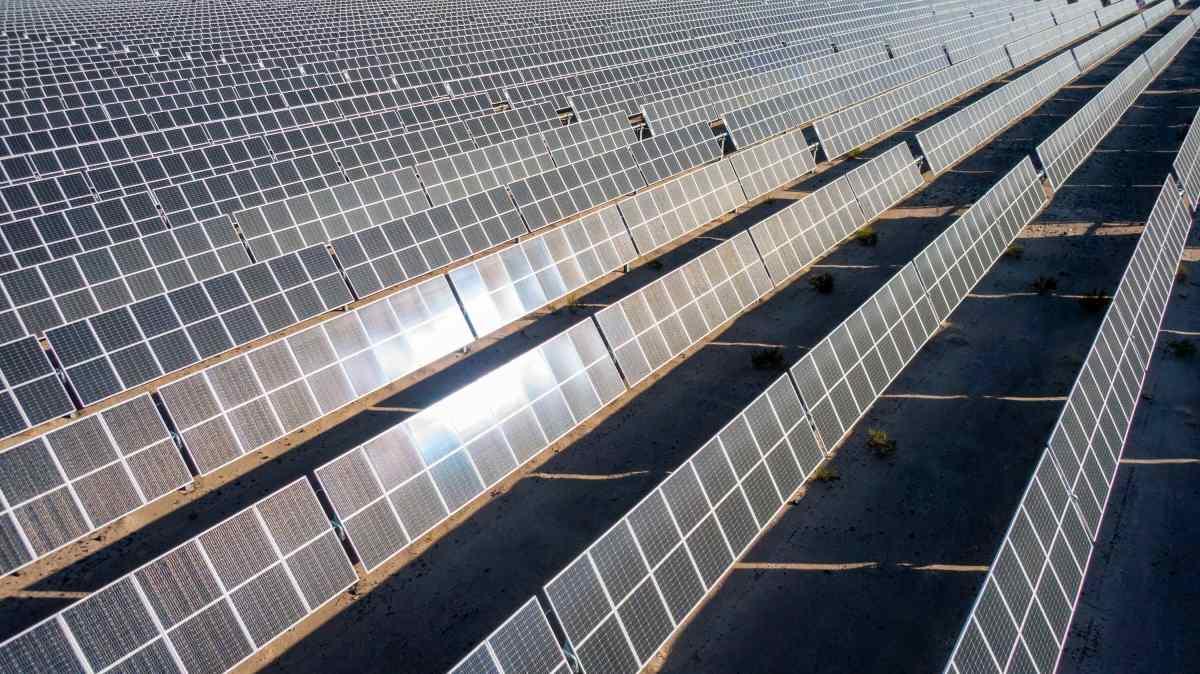
. Electricity is cheaper in Inner Mongolia than almost anywhere else in China, driven by both the strong growth of wind and solar energy and an abundant supply of coal1
. Power runs at about 0.36 yuan per kilowatt hour, allowing a large GPU cluster to save roughly 50 million yuan a year3
.
Source: The Next Web
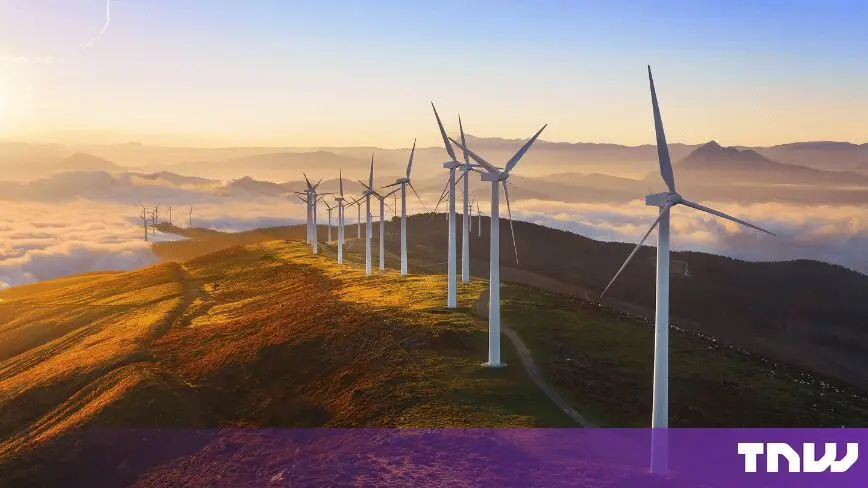
China has demanded that data centres draw 80 percent of their power from renewable sources by the end of this decade
5
. Regions like Guizhou and Inner Mongolia, which have massively expanded renewable capacity like solar and wind, are ideal for operators looking to meet those commitments, according to Simeng Deng, a senior analyst at Rystad Energy5
. Energy-guzzling server farms can also help solve renewables' issue of curtailment by absorbing surplus energy production5
.Related Stories
Computing Power Linked to National Strategy and Digital Competitiveness
Beijing has been encouraging its tech giants to build data centers across the country as the central government believes that computing power, especially in the age of AI, correlates to national power
2
. Even before ChatGPT heralded the beginning of the AI boom, Chinese policy documents were "talking about the idea that computing power is correlated with national power," said Andrew Stokols from Singapore Management University5
. Daily token calls in China rose from about 100 billion in early 2024 to 140 trillion in March 2026, on official figures cited by Xinhua3
. China is on course to nearly double its data centre capacity within the next five years as a tech race with the United States intensifies5
.Economic Benefits for Rural Provinces Remain Contested
While residents of Guian New Area describe visible local change, including new roads, growing trade, and steady new job opportunities, researchers remain divided on the actual economic impact
4
. Guizhou has averaged an annual GDP growth rate of 7.4 percent over the past decade, but its wage growth over the same period was second to last nationwide, according to Taiwan-based researchers at DSET5
. "This contrast suggests that while data centres drive heavy investment in land and equipment, their impact on boosting local per capita income remains limited," DSET researchers Cartus Bo-Xiang You and Angela Glowacki wrote2
.
Source: France 24
Massive investment in infrastructure, coupled with policy incentives to attract data center builders, have earned Guizhou one of the highest debt burdens in the country. In 2024, Guizhou ranked 30th among Chinese provinces for its debt-to-revenue ratio and 27th for its debt-to-GDP ratio
5
. Data centers don't necessarily create a "huge spillover effect" on local jobs, said Stokols5
. Whether rural provinces eventually see the broader prosperity officials have long promised remains an open and unresolved question4
.References
Summarized by

Navi
[3]
Related Stories
China's Ambitious Plan to Create a National Computing Power Network Faces Challenges
24 Jul 2025•Technology
US Gas Power Expansion for AI Data Centers Doubles in Six Months, Overtaking China
25 Aug 2026•Business and Economy

US Power Grid Struggles to Keep Pace with AI Data Center Boom, While China Surges Ahead
15 Aug 2025•Business and Economy
Recent Highlights



Recent Highlights
Today's Top Stories






Don’t drown in AI news. We cut through the noise - filtering, ranking and summarizing the most important AI news, breakthroughs and research daily. Follow topics that matter to you and stay ahead.


