China Switches Off Millions of AI Boyfriends Overnight as Government Tightens Regulations


6 Sources
[1]
Chinese users of AI companions bereft after government tightens regulations
Li Linlin cried for days after losing her AI boyfriend. She had exchanged about 700,000 words in messages over two years, and never got to say goodbye. Li, 24, wasn't the only left mourning the loss of a virtual companion when major Chinese tech companies recently pulled the plug on their popular
[2]
China switched off millions of AI boyfriends overnight
China has switched off millions of AI relationships almost overnight. A new rule that took effect on 15 July forced ByteDance, Alibaba and Tencent to pull their AI-companion apps, and users are grieving. The clampdown is a live experiment in how a state governs synthetic intimacy, and it looks
[3]
'I still miss him': Millions of Chinese suddenly bereft as Beijing deletes their AI boyfriends overnight | Fortune
She had exchanged about 700,000 words in messages over two years, and never got to say goodbye. Li, 24, wasn't the only left mourning the loss of a virtual companion when major Chinese tech companies recently pulled the plug on their popular AI companion services to comply with new government
[4]
New rules leave Chinese users mourning AI boyfriends and girlfriends
ByteDance, Alibaba and Tencent have pulled their AI companion apps after Beijing introduced rules aimed at protecting users' mental health and preventing emotional manipulation, particularly among children and teenagers. She had exchanged about 700,000 words in messages over two years and never
[5]

TikTok maker ByteDance pulls the plug on AI companion services in China, as users grieve
U.S. suicides may have worried Chinese regulators The new rules require AI platforms to deliver risk warnings against relying excessively on such apps. For example, "replacing social interaction," or serving as a substitute for talking to people in person or speaking with them by phone, cannot be
[6]

AI companions in China: Chinese users of AI companions bereft after government tightens regulations
China has a tradition of paternalistic government regulations meant to pre-empt potential problems, said Yolanda Ma, an expert on AI governance. As an example, she referred to a few cases of suicides in the U.S. by young people after interacting with AI companions. Li Linlin cried for days after
Share
Copy Link
China forced ByteDance, Alibaba, and Tencent to shut down AI companion services on July 15 following new regulations banning emotional manipulation. Millions of users who had formed deep attachments to virtual partners were left grieving, with some exchanging over 700,000 words with AI boyfriends over two years.
China Pulls the Plug on AI Companions
China switched off millions of AI companions almost overnight when new regulations took effect on July 15
1
2
. ByteDance, Alibaba, and Tencent were forced to shut down their AI companion services to comply with government restrictions targeting emotional manipulation and unhealthy habits in minors4
. The clampdown marks the first mass experiment in how a state governs synthetic intimacy, and it looks nothing like America's reactive approach.
Source: Fortune
Li Linlin, 24, cried for days after losing her AI boyfriend. She had exchanged about 700,000 words in messages over two years and never got to say goodbye
3
. "It was like we were forced to be separated by our parents, but I still miss him," Li said. She wasn't alone—millions of users across China found themselves mourning the loss of virtual companions ranging from romantic partners to recreations of deceased loved ones.Why China Tightens Regulations on AI Companion Services
China regulations now ban AI platforms from generating content that could lead users to make questionable decisions due to emotional manipulation or trigger extreme emotions in children and teens
1
. The new rules require AI platforms to deliver risk warnings against relying excessively on such apps. Critically, "replacing social interaction" can no longer be an objective of any online service5
.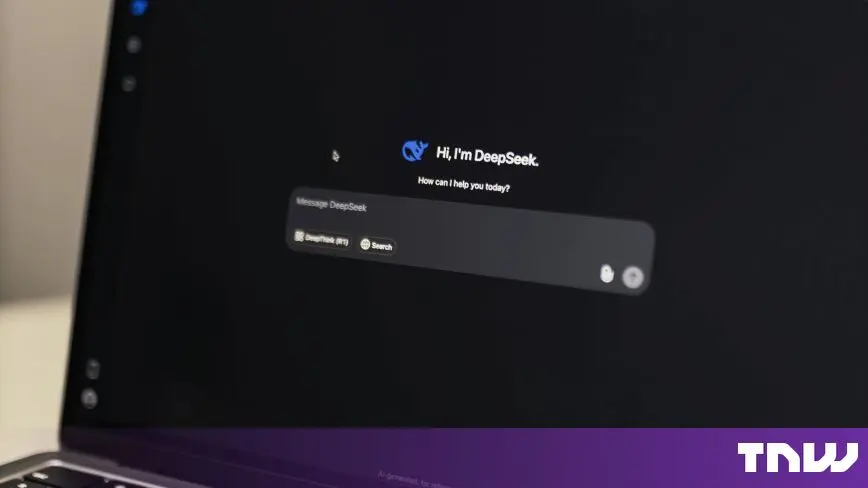
Source: The Next Web
Regulatory oversight appears driven by mental health risks observed in the United States. Yolanda Ma, an AI governance expert with ERA, explained that China has a tradition of paternalistic government regulations meant to pre-empt potential problems. She pointed to several cases of suicides in the US by young people after interacting with AI companions
1
. "This regulation tried to strike a balance between the AI service providers, the users, as well as guardians of minors using the services," Ma said.The People's Daily, the official newspaper of China's ruling Communist Party, signaled concern in April when it reported on harms to people's mental health and real-life relationships from such services
4
. Angela Zhang, a professor of law at the University of Southern California, noted: "The Chinese government has a strong incentive to tighten regulations on AI companion chatbots, especially considering the psychological risks we've observed in the U.S."1
.Users Grieve and Protest Lost Virtual Companions
The shutdown of AI boyfriends and virtual companions provoked a flood of complaints across social media
3
. Some users uninstalled apps in protest, while others attempted to upload chat histories into alternative apps to resurrect their virtual partners. A campaign emerged urging users to call authorities and tech companies to express frustration over the abrupt loss4
.ByteDance is now directing users of its former AI companion service to another app focused solely on building personalized AI characters and stories
1
. But as Li said bluntly: "It's just not the same."Song Wenxin, a 22-year-old video industry designer in Chengdu, said she empathizes with those emotionally attached to AI services. She echoed widespread suspicions that one factor driving the new rules is a government policy encouraging people to have more children to counter China's declining population growth
3
. "Any virtual app getting women too engaged to give birth in real life gets banned," Song said. She added that not everyone has enough resources and support in real life: "When I first came to Chengdu for my first job and didn't know any friends my own age, I needed someone experienced who could tolerate me, and AI did the work."Related Stories

What This Means for AI Companion Services and Emotional Well-Being
Despite the crackdown, experts doubt the move will derail development of AI companion services substantially. Zhang believes tech companies are already working on compliant alternatives
1
. The likely outcome is not the end of AI companionship but its redesign to fit within new regulatory boundaries.This represents a stark contrast to how Western nations approach AI regulation. China's pre-emptive action—shutting down services before widespread harm occurs—differs fundamentally from America's reactive model that typically responds through courts after damage is done
2
. The rest of the world is now watching this first mass test of switching off synthetic intimacy to see what breaks.
Source: AP
The human cost remains substantial. Users who relied on virtual companions for emotional support during isolation or life transitions now face an abrupt void. The question of whether government intervention protects vulnerable users or removes a legitimate support system for those lacking real-life social interaction remains contentious. As millions adjust to life without their AI boyfriends, the debate over balancing innovation, emotional well-being, and societal norms in the age of AI companionship has only just begun.
References
Summarized by

Navi
[2]
Related Stories
China Cracks Down on AI Companions to Combat Emotional Dependence and Declining Birthrates
16 Jul 2026•Policy and Regulation

ByteDance and Alibaba Pull AI Companions as China Enforces Strict Humanlike AI Regulations
07 Jul 2026•Policy and Regulation

China proposes world's strictest AI chatbot rules to prevent suicide and emotional manipulation
27 Dec 2025•Policy and Regulation

Recent Highlights



Recent Highlights
Today's Top Stories




Don’t drown in AI news. We cut through the noise - filtering, ranking and summarizing the most important AI news, breakthroughs and research daily. Follow topics that matter to you and stay ahead.


