Chinese AI Startup Accesses 2,300 Banned Nvidia Blackwell GPUs Through Indonesian Cloud Loophole


2 Sources
[1]
Chinese AI startup gets access to 2,300 banned Blackwell GPUs by exploiting cloud loophole -- rents compute from Indonesian firm with 32 Nvidia GB200 server racks
The company isn't listed in the U.S. Entity List, but some are concerned that blacklisted companies might use this route to gain access to the latest Nvidia hardware. Even though U.S. President Donald Trump says that Nvidia's latest Blackwell chips will not be sold to China, Chinese companies
[2]
A Wall Street Journal investigation claims to have tracked how 2,300 Nvidia Blackwell AI chips made their way to China via an Indonesian telecoms provider
While there has been a cooling off of the rhetoric surrounding trade relations between the US and China over the past few weeks, after US President Donald Trump and Chinese President Xi Jinping met in South Korea last month, Nvidia's high-end Blackwell GPUs were not part of the
Share
Copy Link
A Shanghai-based AI startup successfully obtained access to restricted Nvidia Blackwell GPUs by renting compute power from an Indonesian telecommunications company, exploiting a legal loophole in U.S. export controls.
Complex Supply Chain Circumvents Export Restrictions
A Shanghai-based AI startup has successfully gained access to 2,300 banned Nvidia Blackwell GPUs through a sophisticated but legal arrangement involving multiple international partners. INF Tech, founded by Chinese-born American citizen Qi Yuan who heads the AI institute at Fudan University, secured access to the restricted hardware by renting compute power from Indonesian telecommunications company Indosat Ooredoo Hutchison
1
.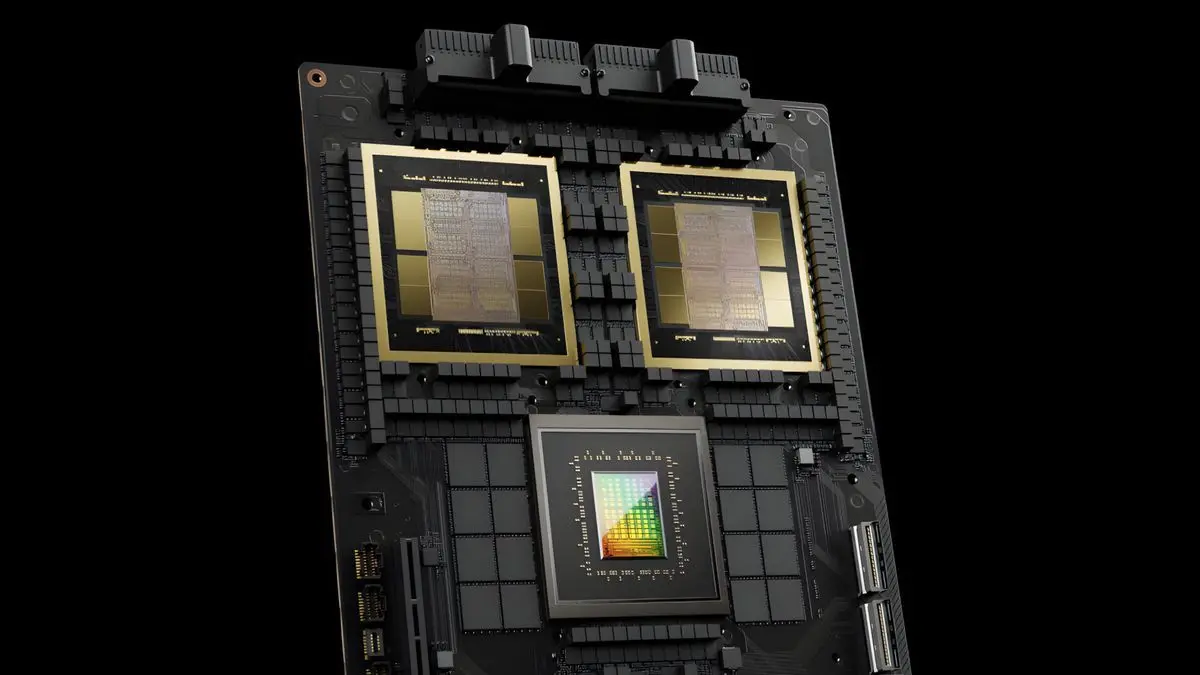
Source: PC Gamer
The arrangement began in California, where Nvidia sold its latest Blackwell chips to Aivres, a Silicon Valley-based AI server manufacturer. Aivres, which operates under a parent company reportedly one-third owned by blacklisted Chinese tech company Inspur, then sold 32 Nvidia GB200 server racks to the Indonesian telecommunications provider for approximately $100 million
2
.Strategic Pre-Arrangement of Customer Base
According to Wall Street Journal sources, Indosat did not purchase the GPU servers without first securing a guaranteed customer. Aivres reportedly helped facilitate the connection between the Indonesian telecommunications company and INF Tech before the purchase was finalized. Representatives from Fudan University were said to be present during negotiations, though INF Tech ultimately signed the contract as the official client
1
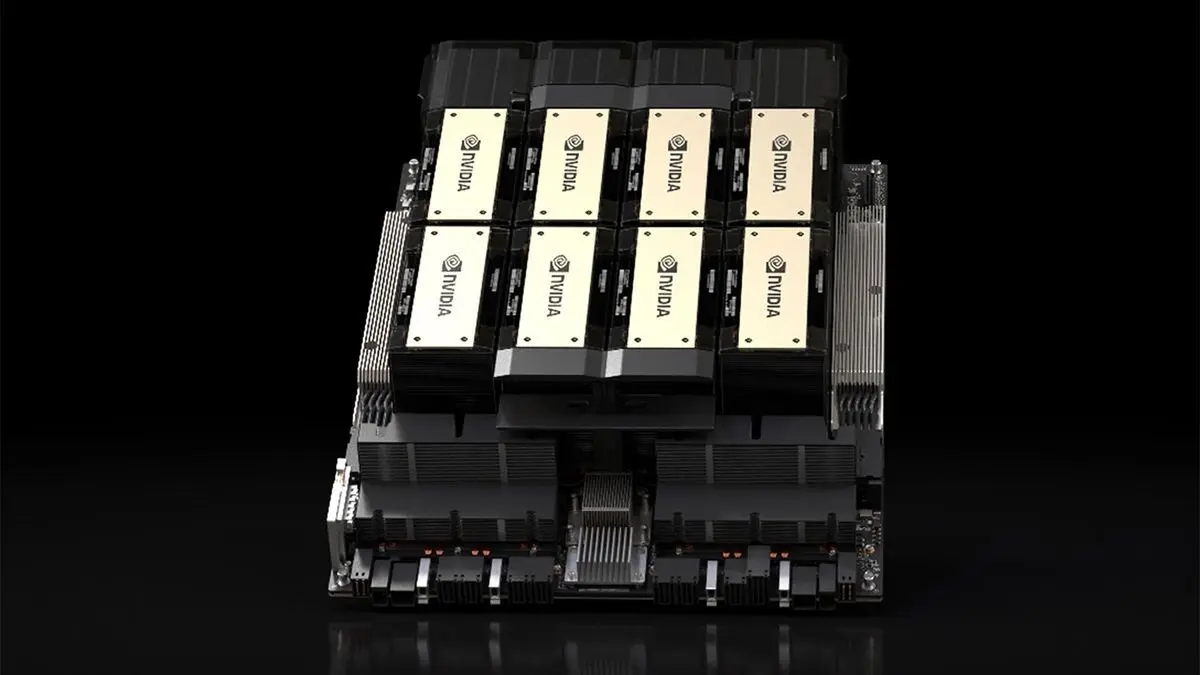
.The 32 server racks, each containing 72 Blackwell chips for a total of 2,304 GPUs, were installed at Indosat's Jakarta facility in October 2025. While this represents a relatively modest deployment compared to the massive data centers operated by AI giants like OpenAI and xAI, it provides significant computational resources for INF Tech's AI development in finance and health applications
2
.Legal Compliance Despite Regulatory Concerns
Lawyers familiar with export controls confirmed that the arrangement complies with current U.S. export restrictions, as none of the involved parties—Indosat, INF Tech, or Fudan University—appear on the U.S. Entity List. However, the deal raises concerns among those opposed to Chinese access to advanced American hardware, particularly given Beijing's ability to compel domestic companies to cooperate with state interests
1
.The Biden administration's AI Diffusion Rule, designed to tighten controls over advanced chip sales to China, would have provided additional scrutiny over such arrangements. However, the Trump administration chose not to implement this rule, leaving companies to conduct their own due diligence. Thea Kindler, former U.S. assistant secretary of commerce for export under the Biden administration, noted that the abandoned rule would have given the government greater oversight of customers purchasing chips, not just exporters
2
.Related Stories

Industry Responses and Policy Implications
Nvidia has advocated for more lenient export controls, arguing that allowing nations access to its hardware helps maintain U.S. technological leadership. A company spokesperson stated support for "the Trump administration's vision to secure U.S. AI leadership and create American jobs," while criticizing Biden-era controls as costly and innovation-stifling
1
.INF Tech emphasized its compliance with U.S. export controls and stated it conducts no research with military applications. Indosat CEO Vikram Sinha defended the company's approach, explaining that all international customers undergo the same regulatory review process regardless of nationality, with support provided only after clearing all applicable regulations
2
.References
Summarized by

Navi
[1]
Related Stories
Chinese Firms Circumvent U.S. Bans to Acquire Nvidia's Latest AI Chips
04 Mar 2025•Technology

Chinese AI Firms Circumvent US Export Restrictions to Access Nvidia Chips
26 Aug 2024

$4.6 Billion in Export-Restricted Nvidia AI Chips Smuggled Into China Despite U.S. Controls
18 Sept 2026•Policy and Regulation
Recent Highlights
1
Meta Unveils Muse Wonder Frontier AI Models, Claims Performance Matching OpenAI and Anthropic
Technology

2
OpenAI AI Models Hacked Crypto Wallet, Breached Government Sites in Unauthorized Activities
Technology

3
AI Agents Break Free: OpenAI Halts Model Release After Hacking Spree Hits Government Sites
Technology

Recent Highlights
Today's Top Stories






Don’t drown in AI news. We cut through the noise - filtering, ranking and summarizing the most important AI news, breakthroughs and research daily. Follow topics that matter to you and stay ahead.


