$4.6 Billion in Export-Restricted Nvidia AI Chips Smuggled Into China Despite U.S. Controls


2 Sources
[1]
Investigation details how billions' worth of export-restricted Nvidia AI chips are sold to China -- report details how Chinese firms skirt Trump's regulations
American nonprofit C4ADS, a monitoring organization funded mostly by the U.S. government, produced a report shedding light on the many ways that American AI accelerators reach China. Somewhat paradoxically, the U.S. refuses to sell advanced AI chips to China, while simultaneously the CCP prohibits
[2]
$4.6 billion NVIDIA importer linked to supply network funneling restricted NVIDIA AI chips into China
A sprawling supply network involving billions of dollars worth of NVIDIA hardware has been linked to efforts to get export-restricted AI accelerators into China despite the seemingly tight U.S. export controls. According to a recent report from C4ADS, a monitoring organization that receives most
Share
Copy Link
A C4ADS report exposes how billions worth of export-restricted Nvidia AI chips reach China through shell companies, drop-shipping via Southeast Asian countries, and purchases by Chinese research institutions. Megaspeed International alone handled $4.6 billion in Nvidia hardware between 2022-2025, raising questions about enforcement gaps in U.S. export controls.
A new C4ADS report has exposed a sprawling underground network funneling billions of dollars worth of export-restricted Nvidia AI chips into China, despite stringent U.S. export controls designed to prevent such transfers. The investigation reveals that between 2022 and 2025, advanced AI hardware including H100, A100, and Blackwell-family GPUs reached Chinese shores through three primary circumvention tactics: purchases by Chinese research institutions, drop-shipping through Southeast Asian countries, and complex shell companies with opaque ownership structures.
1
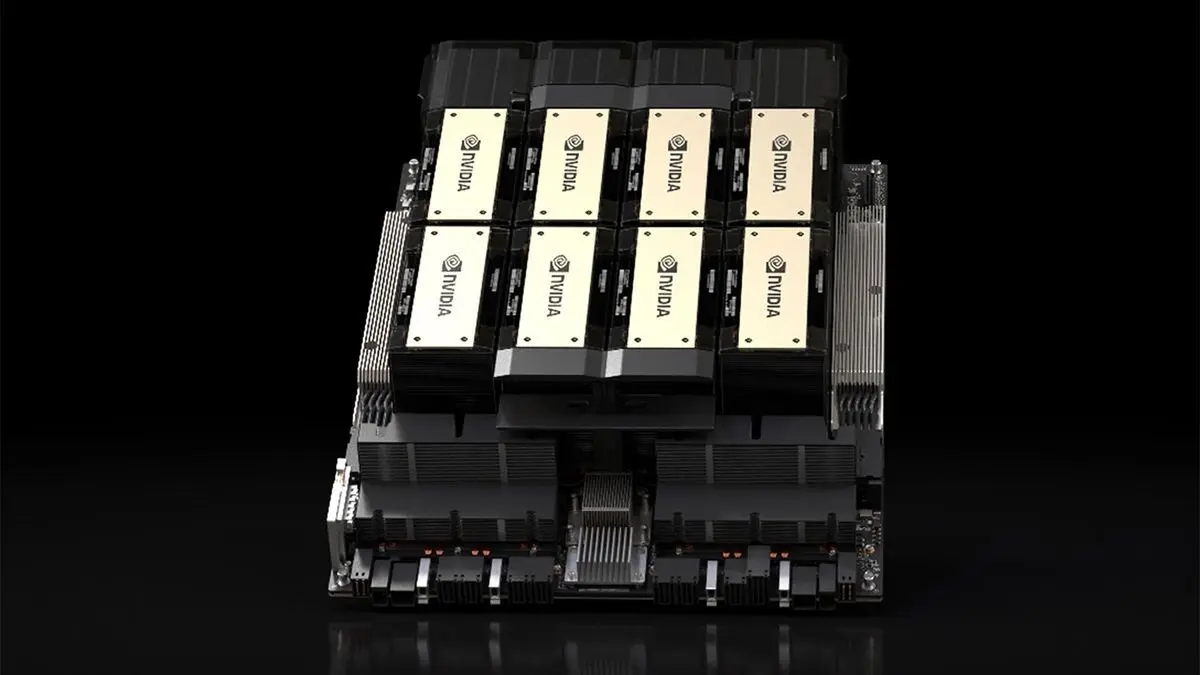
Source: Tom's Hardware
Megaspeed International Handles $4.6 Billion in Nvidia Hardware
The most striking finding centers on Megaspeed International, a Southeast Asian importer that handled approximately $4.6 billion worth of Nvidia hardware between 2022 and 2025, making it the largest Southeast Asian importer of Nvidia products during this period.
1
2
What makes Megaspeed particularly suspicious is its murky ownership history and rapid corporate restructuring that obscures beneficial ownership. The company operates across Singapore, Indonesia, and Malaysia, but was purchased in 2023 by Swiftdata, another Singaporean firm whose actual ownership remains unclear.1
Before the Swiftdata acquisition, Megaspeed was owned by Chinese gaming firm 7Road Holdings. During the ownership transition, Chinese businesswoman Huang Le temporarily became a major shareholder and was identified as the firm's chairwoman at a conference as recently as 2025, suggesting she may still control operations despite the corporate reshuffling.
1
2
Most concerning, Megaspeed reportedly obtained export-locked Blackwell chips, raising serious questions about enforcement gaps in current U.S. export controls.Chinese Research Institutions Exploit Legal Loopholes
The C4ADS report documents how Chinese research institutions serve as a quasi-legal pathway for acquiring forbidden AI hardware. These entities embed Nvidia AI chips inside sprawling multi-vendor contracts routed through small Chinese regional integrators, effectively masking the true nature of purchases.
1
Between July 2025 and January 2026 alone, C4ADS tracked 56 chips worth $1.7 million sold through this method.1
2
A broader analysis of government records covering multiple years revealed $6.48 million worth of silicon reaching China through Chinese research institutions.
1
The investigation claims some buyer institutions maintain ties to the CCP and China's defense and intelligence sectors, transforming academic purchases into potential national security concerns. This method exploits the fact that research exemptions exist within export control frameworks, creating a gray area that's difficult to police without impeding legitimate scientific collaboration.Drop-Shipping Through Southeast Asian Countries
The second major route involves technically legal drop-shipping operations through Vietnam, India, and Malaysia. C4ADS analyzed transactions between 2022 and 2025, identifying $13.4 million worth of Nvidia A100, H100/GH200, and AD102-series GPUs moving through these Southeast Asian countries in a consistent pattern across 50 shipments.
1
2
Many chips traveled from Taiwan to Vietnam, exploiting Vietnam's chip testing facilities as cover for the journey. After purported testing, portions of these shipments moved to Hong Kong, where two companies dominate imports: Profit New Limited and ELB International Limited.
1
Profit New Limited traded $8.7 million worth of silicon in a single day in March 2025, likely anticipating April 2025's tightened export controls.1
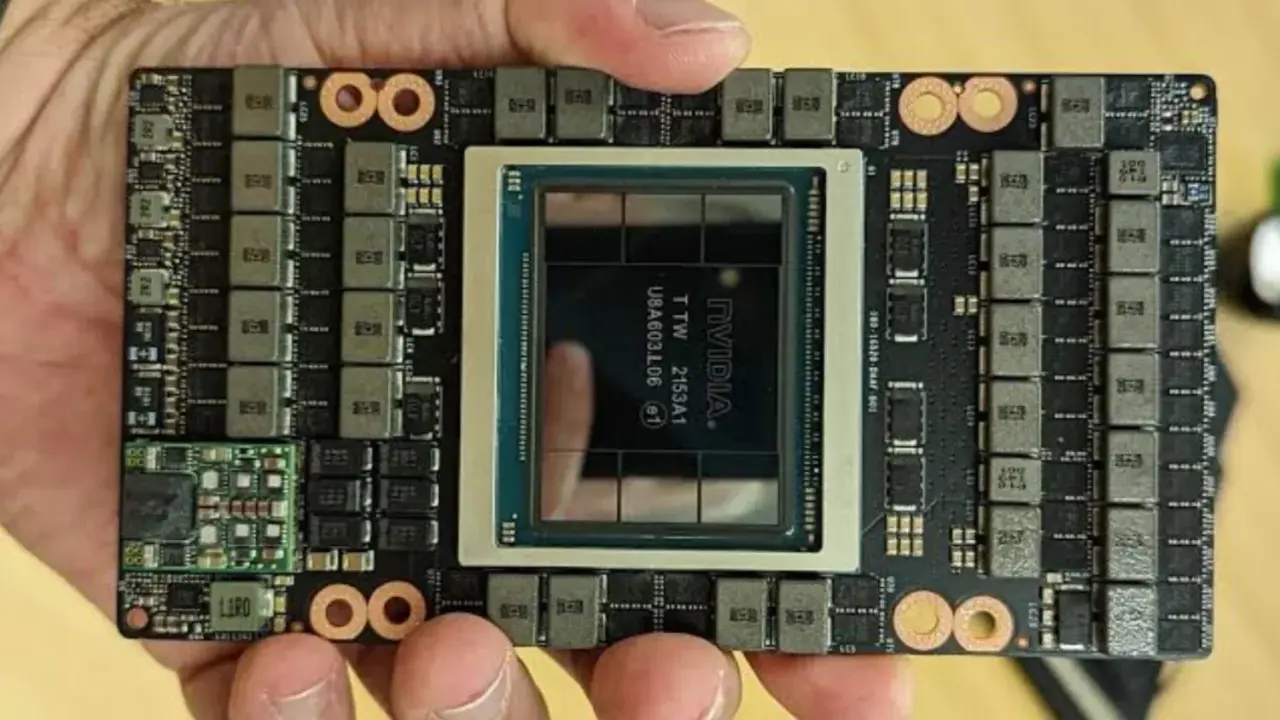
Source: TweakTown
Researchers flagged suspicious shipping practices including missing cost, insurance, weight, and freight information in customs details, with some high-value shipments showing rounded zeros in import value declarations.
1
2
These trade violations suggest deliberate attempts to obscure the true intent and destination of AI hardware shipments.Related Stories

China's Contradictory Stance Creates Enforcement Challenges
The situation is complicated by China's paradoxical position: officially discouraging American AI chip purchases to spur domestic alternatives led by Huawei, while reportedly turning a blind eye to gray and black-market imports. In 2026, Chinese authorities issued official exceptions to ByteDance, Alibaba, and Tencent, acknowledging the country's continued dependence on advanced U.S. AI hardware despite nationalist rhetoric.
1
An earlier Epoch AI report estimates that approximately one-third, and possibly most of China's AI compute power comprises smuggled GPUs, underscoring the massive scale of this underground market.
1
C4ADS notes that only explicitly identified chips were counted in their investigation, meaning actual volumes could be substantially higher. Watch for increased scrutiny of Southeast Asian trade routes and potential regulatory action targeting shell companies as U.S. authorities attempt to close these enforcement gaps. The findings raise urgent questions about whether current export control mechanisms can effectively restrict China's access to cutting-edge AI technology.References
Summarized by

Navi
[1]
Related Stories
Nvidia's largest Southeast Asia partner faces probe over alleged chip smuggling to China
24 Dec 2025•Policy and Regulation

Chinese AI Startup Accesses 2,300 Banned Nvidia Blackwell GPUs Through Indonesian Cloud Loophole
14 Nov 2025•Policy and Regulation
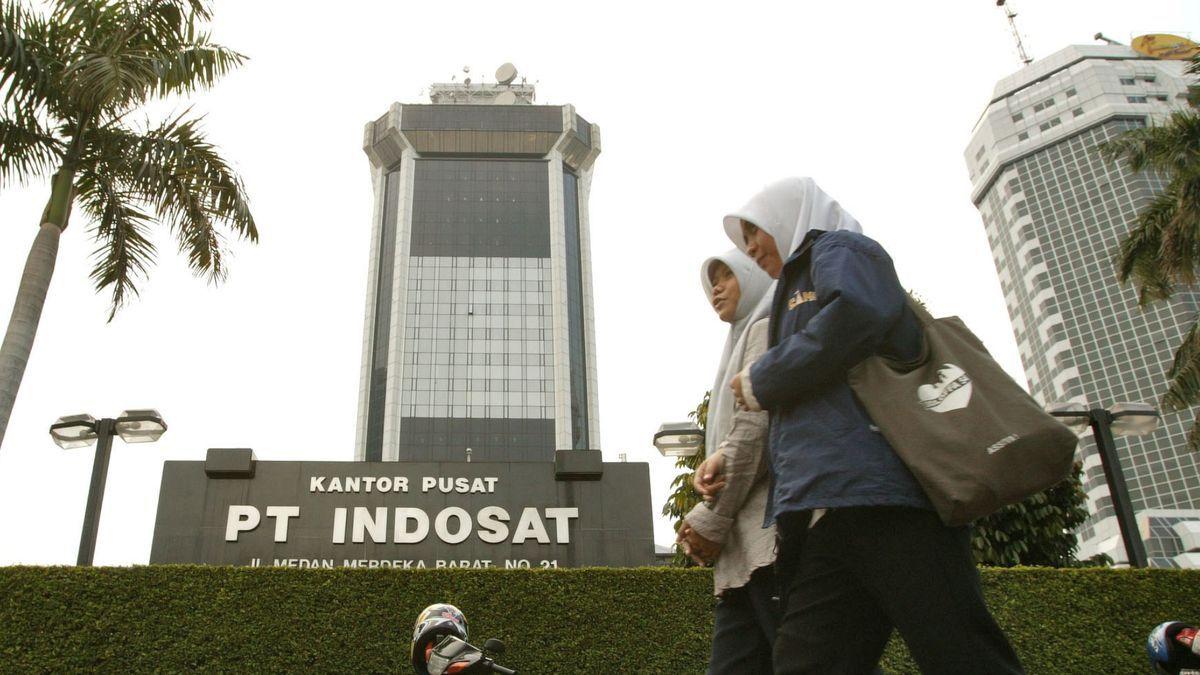
Chinese AI Firms Circumvent US Export Restrictions to Access Nvidia Chips
26 Aug 2024

Recent Highlights
1
Microsoft and Nvidia Launch Surface Laptop Ultra: A $2,599 AI-Ready PC With RTX Spark Chip
Technology

2
Meta Muse AI Agent Surges to 6.6M Downloads Despite Privacy and Security Controversies
Technology

3
Scientists Build AI Model That Reconstructs Images From Brain Scans in Record Time
Science and Research

Recent Highlights
Today's Top Stories












Don’t drown in AI news. We cut through the noise - filtering, ranking and summarizing the most important AI news, breakthroughs and research daily. Follow topics that matter to you and stay ahead.


