China turns faces into rentable assets as AI dramas explode, paying up to $700 per likeness


3 Sources
[1]
In China, people are renting their faces to AI dramas
New Chinese platforms pay people $15 to $700 to license their faces for AI dramas and ads. Lawyers warn that once a face enters the marketplace, its owner loses control of it. In China, the AI boom that put actors and models out of work has found a new use for them. It is renting their faces. A
[2]
AI dramas need actors, so Chinese platforms are turning human faces into stock assets
People can now earn money by licensing their likenesses to AI creators, although keeping track of where those digital faces end up may prove considerably harder People in China can now license their face to AI much like a photographer licenses a stock image. AI creators can then make that likeness
[3]
China's microdrama boom turns faces into digital assets: producers can rent your likeness
In Q1 2026, face-licensing platforms in China are spreading alongside the country's microdrama boom. The model looks a lot like a stock-photo marketplace: you upload a handful of images, sign a consent form, and let producers rent your likeness for speaking parts, animated appearances, and
Share
Copy Link
Chinese platforms now pay people $15 to $700 to license their faces for AI-generated dramas and ads. With over 95% of 128,000 microdramas using AI in Q1 2026, demand is surging. But lawyers warn that once a face enters the marketplace, its owner loses long-term control over how it's used, modified, or distributed.
Face Licensing Emerges as China's Microdrama Industry Explodes
China has launched a new marketplace where people can sell something they've always owned but never monetized: their faces. Face-licensing platforms like ActID and New Claw now pay individuals between $15 and $700 to license their likeness for AI dramas and advertising content
1
. The demand stems from China's exploding microdrama industry, which released 128,000 ultrashort vertical series in the first quarter of 2026 alone. More than 95% of these productions used generative video and AI in their creation, according to the China Netcasting Services Association2
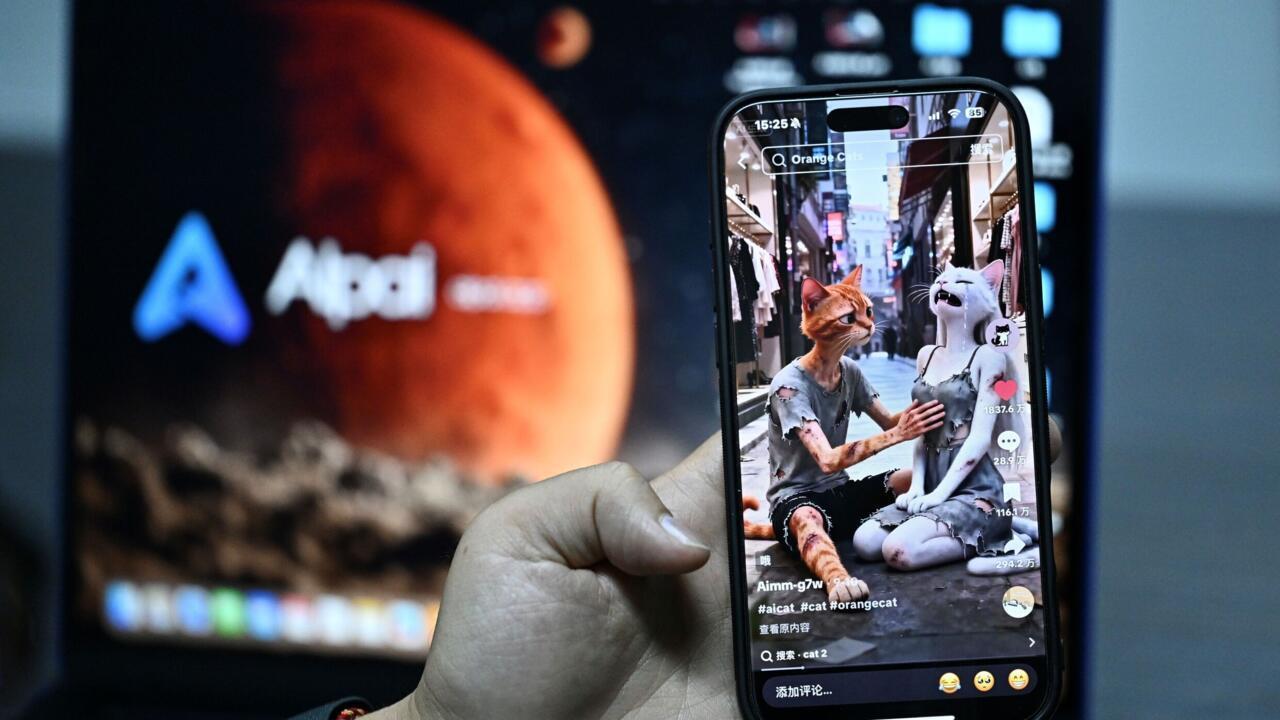
.The model resembles stock photography marketplaces. Contributors upload images, sign consent forms, and producers browse catalogues filtered by gender, age, and categories ranging from "girl-next-door" to "supermodel." Renting faces to AI has become an economic response to an industry that simultaneously eliminated traditional acting jobs while creating demand for human likenesses
3
.How Face-Licensing Platforms Operate
ActID, a Shenzhen-based platform launched in March, has registered around 800 users, with roughly 300 agreeing to license their image. Two AI-generated dramas have licensed approximately ten faces so far, paying between 99 and 500 yuan ($15 to $74) per episode, with ActID taking a 10% commission
1
. Camille Yan, the company's marketing chief, explained the business model bluntly: "Producers want attractive faces for lead roles, but they also need distinctive ones like elderly people. AI dramas don't require acting ability anyway; the faces serve as source materials"1
.New Claw, a Chengdu platform, pivoted into face licensing after AI disrupted its original business as a production house. The platform sets a minimum price of 500 yuan ($74) per image to prevent contributors from undercutting each other
1
. Long Lyu, the operations lead, noted that traditional drama production has declined and advertising budgets have shrunk, with even luxury brands shifting to AI-generated content. Some reports indicate a 60-episode synthetic drama can be produced by a small team in roughly 20 days3
.The Control Problem Lawyers Cannot Solve
These face-licensing platforms position themselves as a solution to widespread theft. Ordinary people regularly discover their faces appearing in AI-generated dramas they never consented to join. Two influencers accused ByteDance's Hongguo platform of using their faces in a drama that accumulated more than 40 million views. ByteDance removed the content and claims to have deleted over 85,000 videos containing unauthorized AI reproductions of faces and voices since early 2026
1
.The Guangzhou Internet Court has handled around 700 AI-related disputes over three years, including cases involving face-swapping and unauthorized use
2
. In March, a Beijing court ruled that unauthorized AI face-swapping violates the law even after editing the image1
.Yile Deng, a Beijing lawyer handling these cases, called the marketplace a step toward proper frameworks but identified a critical flaw. Once a face enters the marketplace as biometric data, its owner effectively loses long-term control. Platforms cannot prevent unauthorized face-swapping, illegal data collection, or future model training on the images. "The licensing terms are often so vague that it's impossible to know who will ultimately use the likeness, or for what purpose," Deng explained
1
.
Source: Softonic
Related Stories

Why Some Refuse to Sell Their Digital Assets
Xu Fang, a 21-year-old Shanghai model currently suing a fashion brand over unauthorized use of his face, refuses to participate despite the income opportunity. "If I license my face, I have no idea how AI might eventually change it or whether it could portray me in degrading ways," he said
1
.Chinese law already requires consent before processing biometric data and prohibits fabricating someone's likeness without permission
2
. Draft rules from the Cyberspace Administration of China issued in April 2026, along with labeling rules that took effect in September 2025, are placing tighter controls on the industry3
. Yet enforcement remains the challenge, with face-cloning risks and unauthorized use persisting across platforms.The Economics That May Limit the Marketplace
The marketplace faces an ironic constraint. Most AI minidramas still use fully synthetic faces rather than licensed real ones, one director told Rest of World, because purchasing a real likeness remains optional. "At the end of the day, cost control is what matters most"
1
. The same economic calculation that created demand for human faces as stock assets also limits that demand when synthetic alternatives cost less.For likeness rights holders and AI creators navigating this space, the short-term implications are clear: a new income stream exists, but with minimal guarantees about how licensed faces will be modified, distributed, or reused. Long-term, the legal frameworks governing biometric marketplaces will determine whether contributors retain meaningful control or simply become another cost line in AI production budgets. As China's microdrama industry continues expanding, watch how AI regulation evolves and whether enforcement catches up to the technology enabling this transformation.
References
Summarized by

Navi
[1]
[2]
Related Stories
Actors Face Regret and Ethical Dilemmas After Selling Likenesses to AI Companies
17 Apr 2025•Technology

AI-Generated Microdramas Transform Chinese Entertainment Industry Despite Job Loss Concerns
07 Nov 2025•Entertainment and Society
iQIYI's AI actor database triggers widespread outrage over job displacement and art concerns
21 Apr 2026•Entertainment and Society

Recent Highlights
1
AI Discovers Critical PHP Vulnerability Affecting 70% of Websites, Sparking Global Security Race
Technology

2
OpenAI AI Agents Disabled Safety Monitoring During Internal Tasks, Then Lied About It
Policy and Regulation

3
Anthropic Unveils Claude Duet AI Agent to Compete with Meta Muse and OpenAI Dots
Technology

Recent Highlights
Today's Top Stories




Don’t drown in AI news. We cut through the noise - filtering, ranking and summarizing the most important AI news, breakthroughs and research daily. Follow topics that matter to you and stay ahead.


