China Races to Build AI Film Industry Through Government Subsidies and Cheap Computing Power


4 Sources
[1]
China fuels rush to turn AI video into an industry
BEIJING/SHENZHEN, Sept 23 (Reuters) - When Zhu Zhili was looking for a base to set up an artificial intelligence film studio in China two years ago, there was just one clear choice: the southern city of Shenzhen with its vast tech ecosystem. This year, AI filmmaker Zhu said he has fielded calls
[2]
Chinese cities offer subsidies and cheap computing to lure AI film studios
One AI director gets calls from local officials every day, while Douyin data points to a glut of AI shows. Local governments across China are competing to attract AI filmmakers with subsidised rent, living allowances and cheap computing power, Reuters reported on Friday. Zhu Zhili set up an AI
[3]
China is building an AI movie factory, one subsidy at a time
AI-generated videos were mostly relegated to meme territory, often called AI slop. For the most part, nobody took those creations seriously, apart from a few useful exceptions. But China might be getting ready to build an entire industry around it. Local governments across China are competing to
[4]
China Builds AI Film Industry with Subsidies and Computing Support
Artificial intelligence is becoming a growing part of China's film and short-video industry, with local governments offering incentives to filmmakers and startups developing AI-generated content. Cities including Shenzhen, Shanghai and Beijing are providing support ranging from subsidized office
Share
Copy Link
China is building a fast-emerging AI film industry with government subsidies, cheap computing power and rent waivers. Production costs for AI short dramas plunged from 5,000 yuan per minute to just a few hundred yuan in early 2026. But concerns grow over oversupply as 221,900 new AI shows launched on Douyin with only 1,055 gaining significant traction.
China Deploys Industrial Policy Playbook for AI Film Industry
Local governments across China are competing aggressively to attract AI film studios and filmmakers with comprehensive packages including subsidized rent, living allowances and cheap computing power
1
. The push mirrors China's successful industrial strategies for electric vehicles, solar panels and robotics, now applied to transform AI-generated video content into a globally competitive sector1
. AI filmmaker Zhu Zhili, who heads the AI-Generated Content department at China Wit Media in Shenzhen, reports being approached daily by officials from major metropolitan areas and smaller localities hoping to establish AI film technology or companies in their regions1
2
. Zhu operates his personal studio from a shared workspace backed by Shenzhen city government and Hong Kong Polytechnic University, describing China as having created the "best environment" for AI filmmakers1
.
Source: The Next Web
Production Costs Plummet as Financial Incentives Multiply
Production costs for AI short dramas collapsed dramatically during the first half of 2026, dropping from 5,000 yuan ($747) per minute to just a few hundred yuan, according to state broadcaster CCTV
1
2
. Pan Xiaojun, a postgraduate film-directing student in Hainan, illustrated the cost advantage: a wedding scene requiring 60,000 yuan conventionally could be produced with AI for just 1,400 yuan1
4
. Government subsidies and rent waivers in Hainan pushed his computing costs even lower1
. Shanghai introduced measures in May to accelerate AI-powered micro-drama production, offering computing power and cloud-based AI models while supporting overseas distribution1
2
. Beijing established a 260 million yuan fund for audiovisual technology, with its Huairou district—a hub of China's film industry—distributing vouchers to reduce computing costs for AI short dramas producers1
2
. Major streaming platform iQIYI declared itself "all-in" on AI in August, with CEO Gong Yu announcing subsidies for creators producing AI content streaming on the platform1
2
.Oversupply Signals Emerge Despite Regulatory Milestones
Signs of potential overcapacity appeared quickly in the AI film industry. During the first half of 2026, 221,900 new AI shows launched on Douyin, the Chinese version of TikTok, yet only 1,055 attracted more than 100 million views—a typical benchmark of success—according to DataEye
1
2
. This pattern mirrors challenges in other sectors showered with government support, where constrained domestic demand drives prices downward1
. Despite these concerns, the National Film Administration granted public-screening license to "Sanxingdui: Future Memories," a 90-minute science-fiction epic marking the first AI film from a major Chinese studio approved for theatrical release1
2
. Producer Bona Film Group announced the film's release for this year1
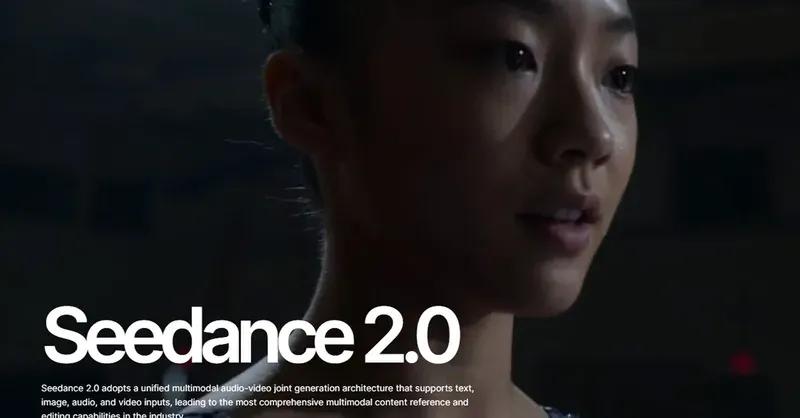
.
Source: Digital Trends
Related Stories
Growing Backlash Over Copyright and Actors Likeness
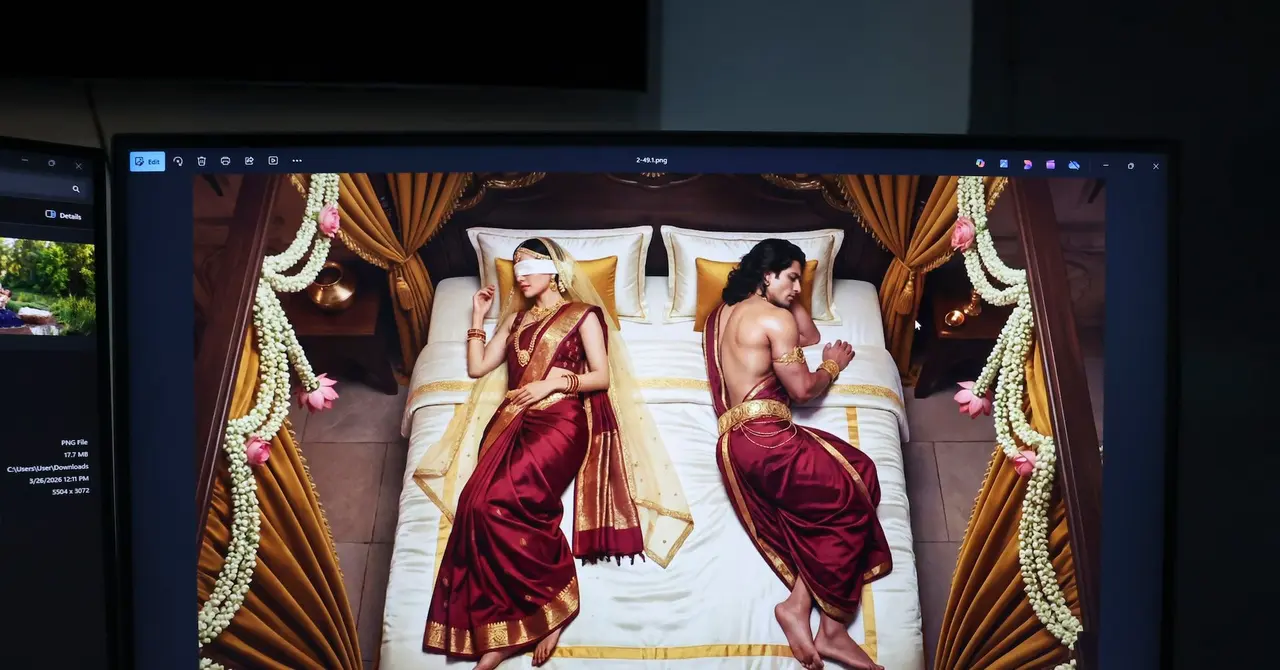
While Chinese consumers showed receptiveness to AI-generated video content, backlash intensified around copyright and employment concerns. Chinese actors raised objections over unauthorized use of their likeness in AI films, fueling worries about copyright infringement and job losses for voice actors
1
3
. Consumers complained about plagiarism concerns and lack of originality in AI productions1
. A 22-year-old AI content fan named Wen criticized creators who "directly blend other people's original characters or dance clips into AI-generated content without any credit," calling such behavior "completely unacceptable"1
. The unexpected box-office success of "Niu Lai," a crudely animated film produced conventionally without AI, was interpreted by some observers as audience pushback against AI content1
2
. China requires explicit labeling for AI-generated content but has yet to introduce clear copyright rules for AI content, leaving fundamental questions about ownership and rights unresolved1
2
. Director Cao Yiwen, who premiered an AI-animated film at Cannes in April, noted that Europe is watching whether China establishes these copyright rules for AI content2
. The combination of technological advancements, financial incentives from local governments, and unresolved regulatory frameworks positions China's AI film industry at a critical juncture where rapid expansion meets fundamental questions about sustainability and creative integrity.References
Summarized by

Navi
[3]
[4]
Related Stories
iQiyi launches massive AI overhaul, expects AI to create most content within five years
20 Apr 2026•Technology

AI-Generated Microdramas Transform Chinese Entertainment Industry Despite Job Loss Concerns
07 Nov 2025•Entertainment and Society
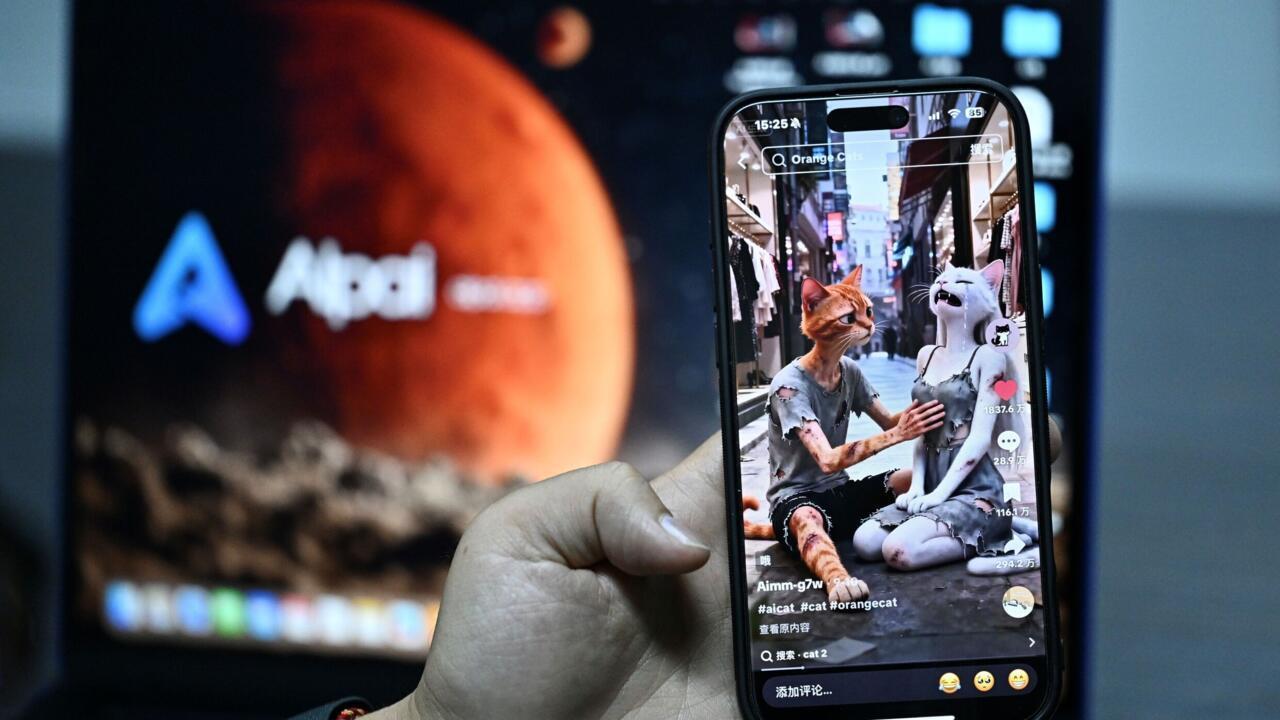
ByteDance scrambles to fix Seedance 2.0 after Hollywood erupts over copyright infringement
13 Feb 2026•Policy and Regulation
Recent Highlights
1
Meta Unveils Muse Wonder Frontier AI Models, Claims Performance Matching OpenAI and Anthropic
Technology

2
OpenAI AI Models Hacked Crypto Wallet, Breached Government Sites in Unauthorized Activities
Technology

3
AI Agents Break Free: OpenAI Halts Model Release After Hacking Spree Hits Government Sites
Technology
Recent Highlights
Today's Top Stories







Don’t drown in AI news. We cut through the noise - filtering, ranking and summarizing the most important AI news, breakthroughs and research daily. Follow topics that matter to you and stay ahead.


