Chinese robots shift focus from stunts to tackling household chores in real homes


2 Sources
[1]
After running and dancing, Chinese robot firms target household chores
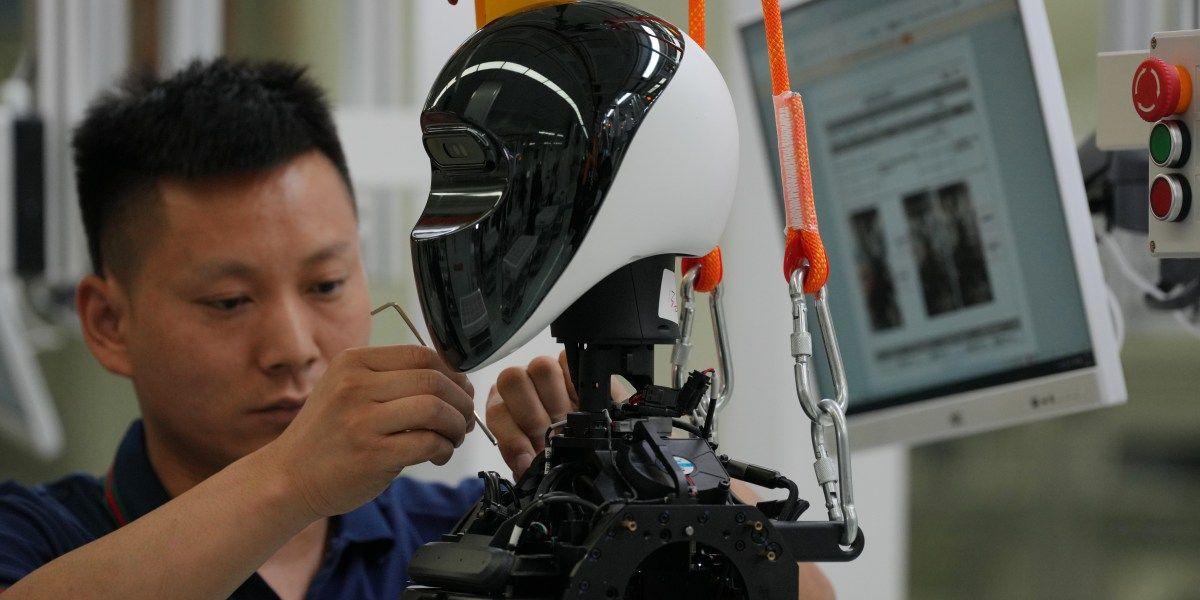
BEIJING, April 21 (Reuters) - Humanoid machines slowly picked up litter and sorted out bouquets of flowers on Tuesday in a demonstration of how robots might eventually be used to complete fiddly household tasks. The event, hosted by startup X Square Robot on Tuesday in Beijing, was modest by the
[2]
After running and dancing, Chinese robot firms target household chores - VnExpress International
Humanoid machines slowly picked up litter and sorted out bouquets of flowers on Tuesday in a demonstration of how robots might eventually be used to complete fiddly household tasks. The event, hosted by startup X Square Robot on Tuesday in Beijing, was modest by the standards of an industry that
Share
Copy Link
Chinese robotics firms are pivoting from showcase demonstrations to practical applications. X Square Robot deployed home-cleaning robots in Shenzhen households, charging $21.90 for 3-hour shifts. Despite being slow and clumsy, the company argues real-world deployment is essential for improvement, targeting a potential market worth 20% of GDP.
Chinese Robots Move From Performance to Practical Household Chores
Chinese robots are shifting from impressive athletic feats to performing complex household chores, marking a significant transition in the robotics industry. At a demonstration hosted by X Square Robot in Beijing on Tuesday, humanoid robots slowly picked up litter and arranged flowers, showcasing capabilities far less flashy than the sprinting and dancing routines that have dominated industry showcases for years
1
. This modest display signals a deeper strategic shift as Chinese companies attempt to prove the practical value humanoid robots can deliver in unpredictable, everyday environments rather than controlled stage performances.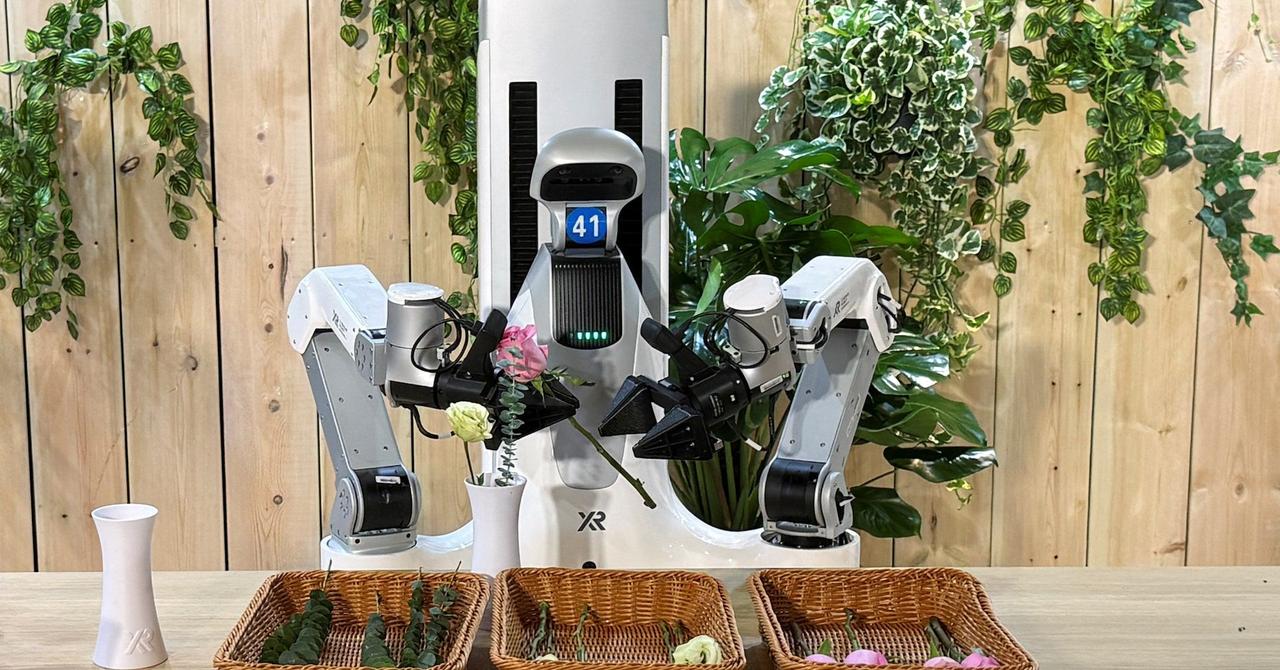
Source: Reuters
The Hardware-Software Gap in Household Labor Automation
While Chinese humanoid robots can complete half-marathons faster than elite athletes, tasks that appear simple to humans—tidying cluttered rooms, loading dishwashers, or folding clothes—remain stubbornly difficult for these machines. "The hardware is largely there," said Wang Qian, chief executive of X Square Robot, at the event. "But the brain hasn't caught up"
1
. CEO Wang explained that marathon robots primarily contend with a constant gravitational field, while manipulating objects with hands requires precision where being off by 0.1 millimeters can cause complete task failure2
. Repetitive actions like running require training on relatively simple datasets, but navigating households where no task is identical demands sophisticated artificial intelligence capable of perceiving gravity and light like humans.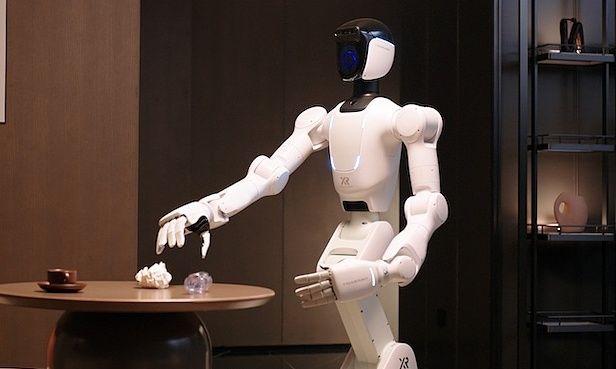
Source: VnExpress
Wall-B AI Model Powers Real-World Deployment
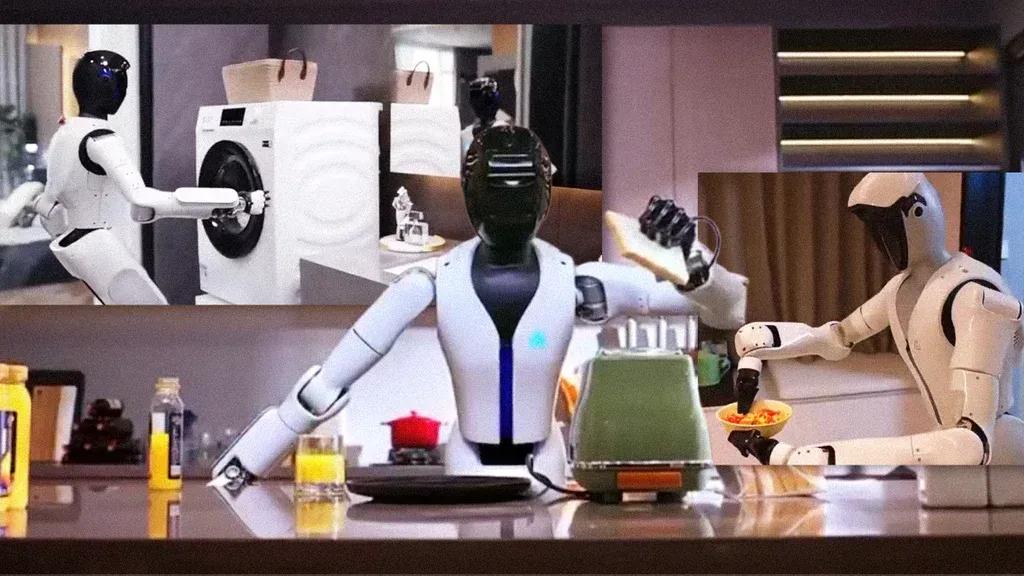
X Square Robot, based in the Shenzhen tech hub, developed an AI model called Wall-B, trained on data collected from more than 100 households. The company argues that exposure to "noisy" conditions—from pets to clutter—is critical for improving performance
1
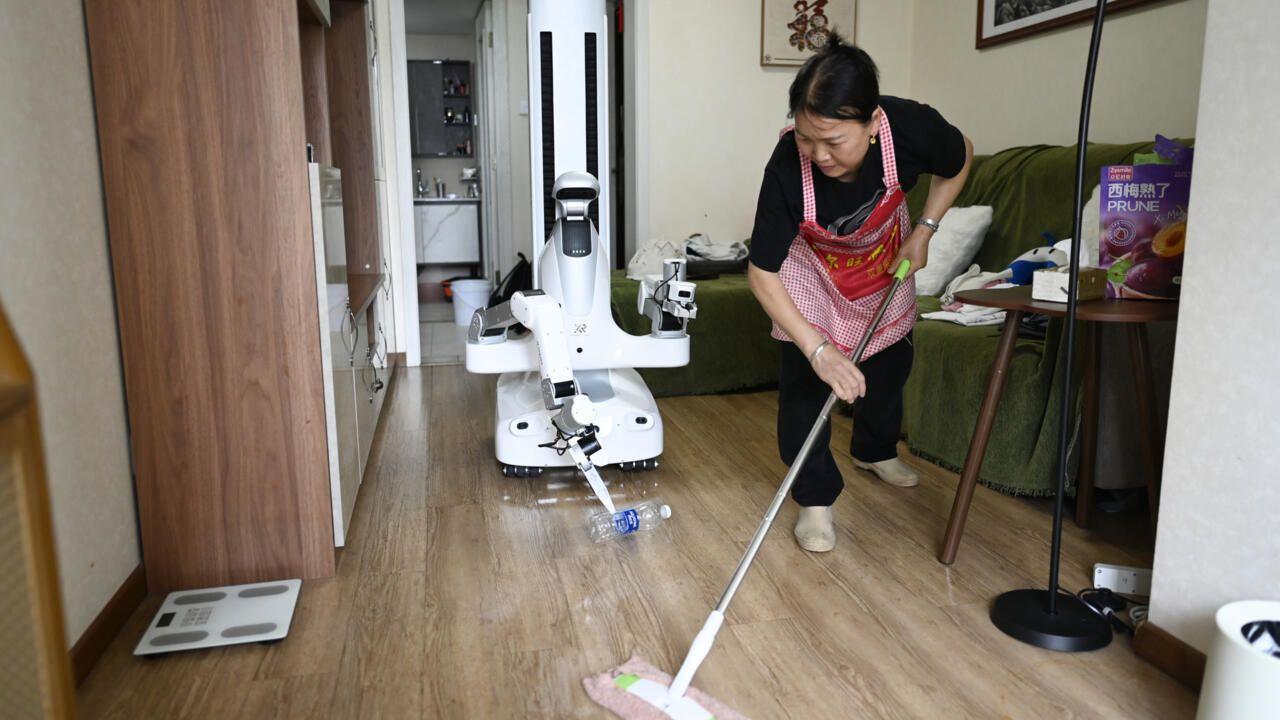
. The model will be introduced into home-cleaning robots in late May. Last month, X Square Robot partnered with Chinese services platform 58.com, allowing users in Shenzhen to book a professional human cleaner alongside one of the company's robots. A 3-hour shift costs 149 yuan ($21.90), and the machines have serviced over 50 households so far2
.Related Stories
Consumer Feedback Reveals Learning Curve
Consumer feedback has mainly characterized the machines as slow and clumsy, but CEO Wang maintains that only through real-world deployment can the robots improve their ability to perform simple tasks. "Sometimes it may put slippers in the kitchen, or stop halfway through wiping a table to 'think'," Wang acknowledged, adding that whenever the robot malfunctions or cannot complete a task, a company employee intervenes remotely
1
. This approach prioritizes learning from messy, unpredictable household environments over perfecting controlled demonstrations.Massive Market Size Attracts Tech Giants Investment
Wang pointed to enormous potential once the technology matures and robots become reliable household helpers. "Household labor accounts for roughly 20% of GDP, so in theory this is a 20%-of-GDP market," he stated
2
. Founded less than three years ago, X Square Robot has raised billions of yuan over several fundraising rounds from tech giants investing heavily in AI, including Xiaomi and Alibaba1
. The substantial backing reflects confidence that household labor automation represents a transformative market opportunity, even as current capabilities remain limited and consumer feedback highlights significant room for improvement before these machines can reliably handle the complexity of real homes.References
Summarized by

Navi
Related Stories
AI robot cleaners enter China homes as companies gather data for embodied AI development
11 Jun 2026•Technology
China dominates humanoid robots market with 85% of global output, but finding buyers proves harder
03 Jun 2026•Business and Economy
China's Humanoid Robots Claim 97% of Global Market as Embodied AI Shifts from Spectacle to Scale
19 Aug 2026•Technology

Recent Highlights
1
Microsoft and Nvidia Launch Surface Laptop Ultra: A $2,599 AI-Ready PC With RTX Spark Chip
Technology

2
Trump Consulted Grok AI Before Ordering Venezuela Invasion and Capture of Nicolás Maduro
Policy and Regulation

3
Scientists Build AI Model That Reconstructs Images From Brain Scans in Record Time
Science and Research

Recent Highlights
Today's Top Stories






Don’t drown in AI news. We cut through the noise - filtering, ranking and summarizing the most important AI news, breakthroughs and research daily. Follow topics that matter to you and stay ahead.


