China's GigaAI deploys SeeLight S1 humanoid robot for household chores in 2027 pilot


2 Sources
[1]
China is deploying the first home cleaning humanoid robot butlers
At last, the Jetsons are happening. Everyone's long-held dream of having a humanoid robot at home to do all the household chores is almost here. Chinese tech firm GigaAI has announced the (allegedly) first commercial robotic butler ever. The company claims the first 100 pilot units will be deployed
[2]
China's first household humanoid robot to begin home trials in 2027 - VnExpress International
Chinese robotics firm GigaAI will begin free home trials of its SeeLight S1 humanoid robot in Wuhan, central China, in early 2027. The company unveiled the SeeLight S1 on May 20, calling it China's first general-purpose household humanoid robot developed with the Hubei Humanoid Robot Innovation
Share
Copy Link
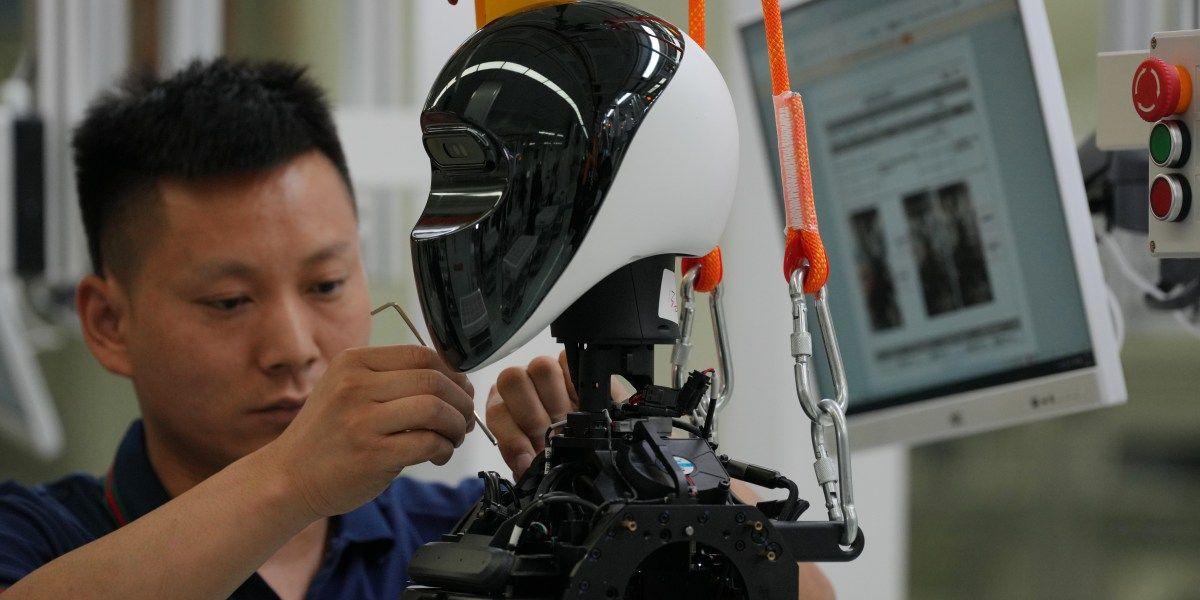
Chinese tech firm GigaAI has announced the SeeLight S1, China's first household humanoid robot butler designed to handle everyday chores. The company plans to deploy 100 pilot units this month in employee homes, followed by free home trials in Wuhan starting in early 2027. While the two-armed wheeled robot can chop vegetables and fold laundry, experts warn that AI capabilities still lag behind hardware advances.
GigaAI Launches China's First Household Humanoid Robot
Chinese tech startup GigaAI has unveiled the SeeLight S1, positioning it as China's first household humanoid robot designed specifically for home use. Developed in collaboration with state-backed research institutions including the Hubei Humanoid Robot Innovation Centre and the Hubei Humanoid Robotics Industry Alliance, the two-armed wheeled machine represents a significant push in China's robotics industry
1
. The company, founded in 2025 and funded by Huawei's investment arm, plans an ambitious rollout strategy beginning with pilot deployment later this month2
.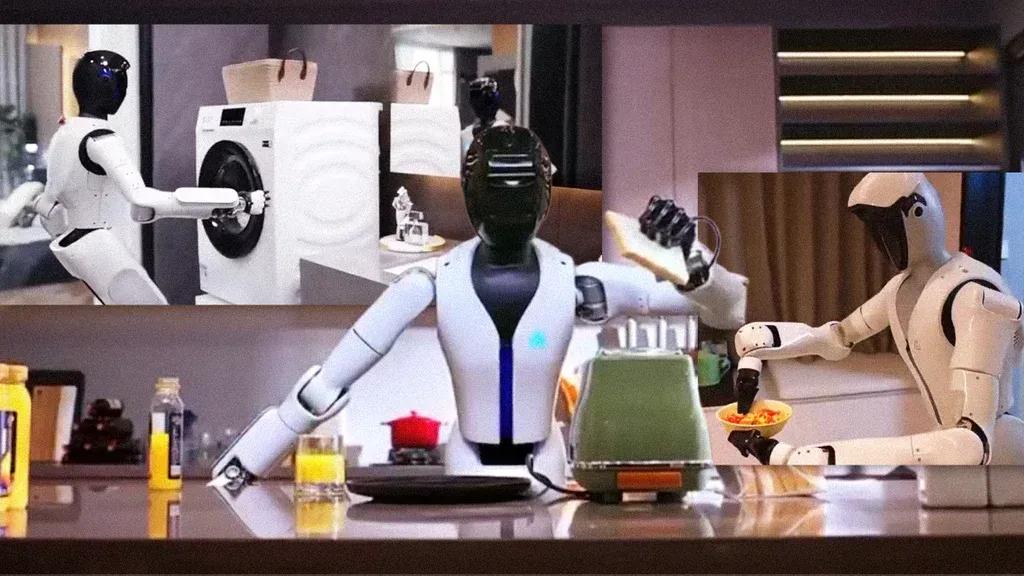
Source: Fast Company
The SeeLight S1 can perform a range of household chores including chopping vegetables, frying eggs, loading washing machines, hanging laundry, making beds, and opening curtains
2
. Built-in sensors are designed to freeze its movements instantly upon contact with children or pets, addressing safety concerns for families1
.Home Trials Begin in Wuhan as Part of Free Deployment Strategy
GigaAI CEO Zhu Zheng announced that 100 SeeLight S1 units will be deployed in employee homes by the end of this month, serving as the initial testing phase. Following this, the company will launch free home trials in Wuhan, the capital of Hubei Province, in the first half of 2027
2
. Selected families, particularly those with elderly members, children, or pets, will receive these home cleaning humanoid robot butlers at no charge during the trial period.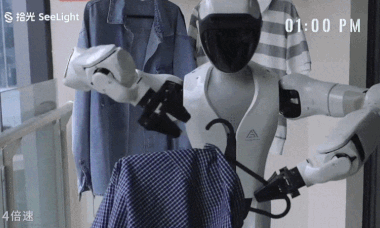
Source: VnExpress
The hardware price strategy aims to make the technology accessible. Zhu stated the company plans to reduce costs to below 100,000 yuan, approximately $13,900, by June 2027—roughly half the current production cost
2
. When the humanoid robot officially debuts in stores in June 2027, the expected price point will be around $15,0001
.Embodied AI Faces Complex Home Environments Challenge
The SeeLight S1 operates on embodied AI, a digital brain integrated directly into a physical body that enables the robot to interpret its surroundings and make decisions without requiring step-by-step programming
1
. However, robotics experts caution that navigating complex home environments presents far greater challenges than factory settings. Guo Renjie, founder and CEO of robotics engineering company Zeroth, explained that "home environments are non-standardized, where a robot faces an environment that changes every day"1
.Unlike industrial robots operating in controlled spaces, household robots must navigate three-dimensional environments with constantly shifting objects, varying lighting conditions, and unpredictable layouts
2
. While Chinese humanoid robots have demonstrated impressive athletic capabilities, completing half-marathons faster than elite human runners, simpler household tasks like folding clothes and loading dishwashers remain difficult because they require more advanced AI systems2
.Related Stories

Hardware Advances Outpace AI Development in Robotics Industry
Wang Qian, chief executive of Chinese startup X Square Robot, which is launching its own home-cleaning robots in late May, told Reuters that "the hardware is largely there. But the brain hasn't caught up"
2
. This gap between physical capabilities and artificial intelligence systems represents the primary obstacle facing the robotics industry as it attempts to bring general-purpose household robots to market.Despite these challenges, the market size potential remains enormous. Wang noted that "household labor accounts for roughly 20% of GDP, so in theory this is a 20%-of-GDP market"
2
. GigaAI's CEO Zhu Zheng expects major advances in humanoid robot commercialization and embodied AI capabilities by 2028. The SeeLight S1 launch aligns with Beijing's directive to deploy embodied AI solutions across sectors facing labor shortages, particularly as China addresses its ongoing demographic crisis1
.References
Summarized by

Navi
Related Stories
AI robot cleaners enter China homes as companies gather data for embodied AI development
11 Jun 2026•Technology
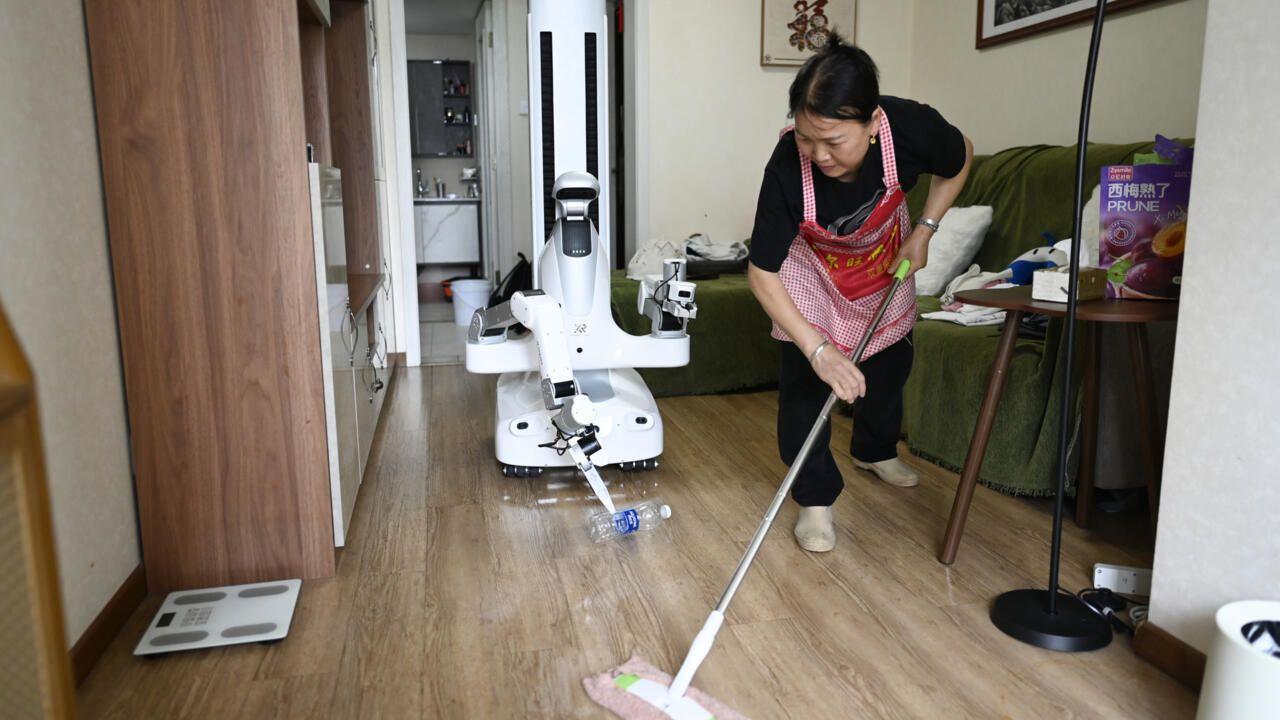
Chinese robots shift focus from stunts to tackling household chores in real homes
22 Apr 2026•Technology
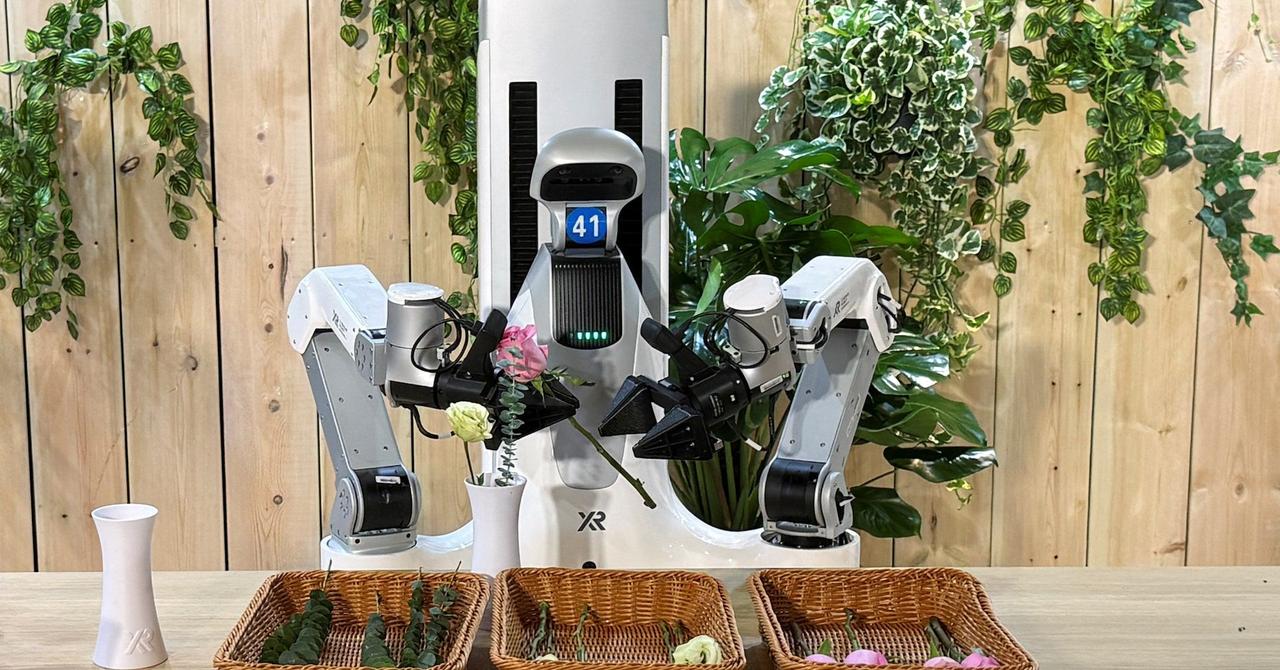
China dominates humanoid robots market with 85% of global output, but finding buyers proves harder
03 Jun 2026•Business and Economy
Recent Highlights



Recent Highlights
Today's Top Stories






Don’t drown in AI news. We cut through the noise - filtering, ranking and summarizing the most important AI news, breakthroughs and research daily. Follow topics that matter to you and stay ahead.


