The Rise of 'Clanker': From Star Wars to Anti-AI Slang


5 Sources
[1]
How 'Clanker' Became an Anti-A.I. Rallying Cry
In the television show "Battlestar Galactica," they were called toasters. In the film "Blade Runner," skinjobs. Now in the culture war against robots and artificial intelligence chatbots, a new slur has emerged. "Clanker." "Get this dirty clanker out of here!" yelled a man in a recent viral video
[2]
Clanker! This slur against robots is all over the internet - but is it offensive?
Because they're metal? While it's sometimes used to denigrate actual robots - including delivery bots and self-driving cars - it's increasingly used to insult AI chatbots and platforms such as ChatGPT. I'm new to this - why would I want to insult AI? For making up information, peddling outright
[3]
Calling AI chatbots 'Clankers' is clunky and clueless
The weirdness of AI discussions in 2025 includes its own set of vocabulary, from AGI to agentic action, but one recently viral bit of slang I just can't stand is "Clanker." You might see Clanker popping up on Reddit threads, Discord memes, or TikTok video comments as a blanket insult for anything
[4]
Clanker: The Star Wars reference fronting an anti-AI wave online
The term is taking off on social media as people grow fed up with AI making things up, sounding too human, and worry about the technology eradicating jobs. Futuristic scenarios are being painted on social media videos in which hate is rising between humans and so-called "clankers". One
[5]

The Internet's Newest Slur Has a Bizarre Target
The insult was meant for machines. The fallout landed squarely on humans. Sign up for the Slatest to get the most insightful analysis, criticism, and advice out there, delivered to your inbox daily. You may have run across the new "slur" making the rounds online, and in middle school lunchrooms:
Share
Copy Link
The term 'Clanker', originating from Star Wars, has become a popular anti-AI slang, reflecting growing tensions and anxieties about artificial intelligence in society.
The Origin and Spread of 'Clanker'
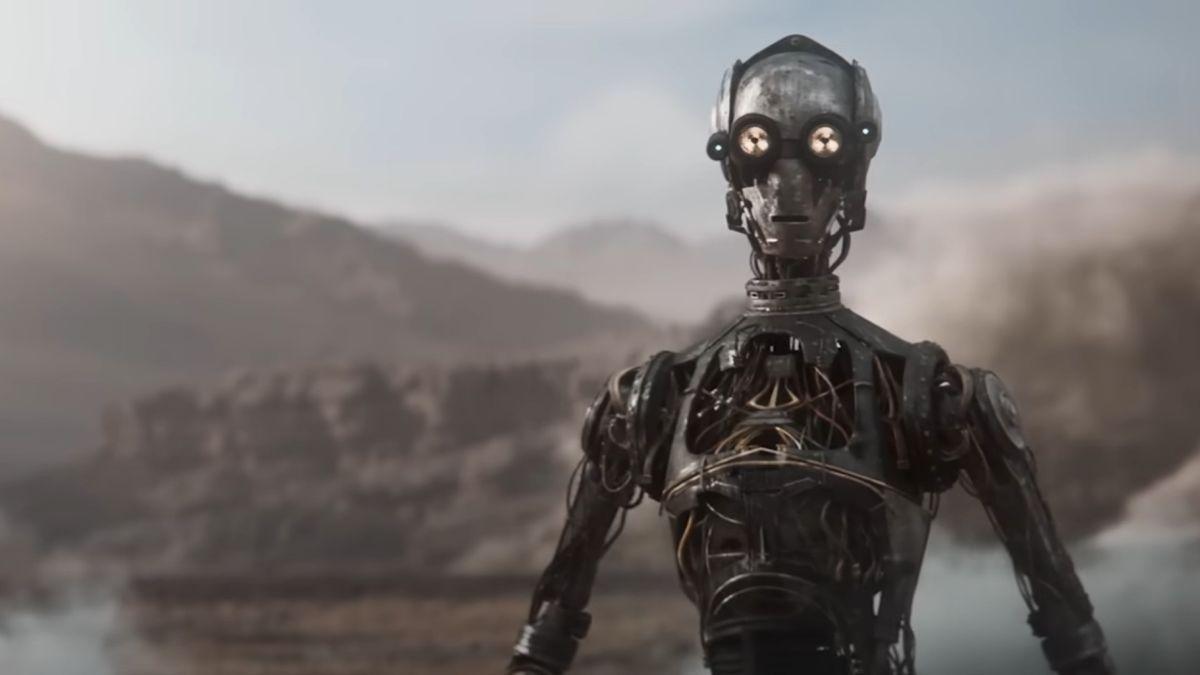
The term 'Clanker' has emerged as a popular anti-AI slang, originating from the Star Wars franchise. Initially used in a 2005 Star Wars video game and later popularized in the 2008 film "Star Wars: The Clone Wars," the term referred to battle droids
4
.
Source: TechRadar
1
4
.'Clanker' as an Anti-AI Rallying Cry
The increasing popularity of 'Clanker' is part of a rising backlash against AI. It has become a catchall way to reject AI-generated content, chatbots acting as therapists, and AI's potential to automate jobs
1
. The term is rooted in real frustrations, with some users even directing it at chatbots like ChatGPT when they fail to provide helpful answers1
.Societal Implications and Concerns
The use of 'Clanker' reflects broader societal anxieties about AI. Many people worry about AI eradicating jobs, with 42% of European employees fearing that AI could put their jobs at risk
4
. The term's popularity also highlights concerns about AI becoming increasingly human-like, to the point where people are reportedly asking chatbots to become their therapists4
.Debates and Criticisms
The use of 'Clanker' as an anti-AI slur has sparked debates about its appropriateness. Some argue that using slurs of any kind, even against machines, is problematic
1
. Others suggest that the term could help normalize actual bigotry by treating AI as an oppressed minority2
. Critics also point out that using the term trivializes real issues around AI and reinforces misconceptions about the technology3
.Reclamation and Humor
Interestingly, some AI enthusiasts have embraced the term, turning it into a badge of honor. They've started calling themselves "clanker lovers" and "Clanker Crew," creating memes and even merchandise featuring the term
5
. This reclamation effort has turned the intended insult into a source of empowerment and humor within AI-friendly communities.Related Stories

Cultural Impact
The 'Clanker' phenomenon has inspired various forms of content creation. Popular memes and spoof videos depict a future where robots are treated as second-class citizens, with "cross-platform" marriages between humans and AI, and humans-only drinking fountains
1
2
. These scenarios, while often humorous, reflect deeper anxieties about the increasing presence of AI in our lives.Political and Regulatory Implications
The term has even entered the political sphere, with Senator Ruben Gallego, a Democrat from Arizona, using it to promote a bill regulating the use of AI chatbots in customer service roles
1
. This demonstrates how the cultural conversation around AI is influencing policy discussions and potential regulatory actions.In conclusion, the rise of 'Clanker' as anti-AI slang represents more than just a linguistic trend. It encapsulates complex societal attitudes towards AI, reflecting both fear and fascination with the technology's rapid advancement and its potential impacts on human society.
References
Summarized by

Navi
Related Stories
The Rise of 'Clanker': How a Star Wars Term Became a Slur for AI and Robots
05 Aug 2025•Technology
AI's Subtle Influence: How ChatGPT is Reshaping Human Language
05 Sept 2025•Technology

Matt Shumer's Viral AI Warning Reaches 80 Million Views as Experts Question the Evidence
12 Feb 2026•Entertainment and Society

Recent Highlights



Recent Highlights
Today's Top Stories



Don’t drown in AI news. We cut through the noise - filtering, ranking and summarizing the most important AI news, breakthroughs and research daily. Follow topics that matter to you and stay ahead.


