Connecticut Towns Install AI License Plate Readers on School Buses Amid Privacy Concerns


3 Sources
[1]
Connecticut towns are installing license plate reading cameras on school buses
City and town leaders across Connecticut have been fielding growing pushback from residents over automated license plate readers, which opponents say raise a range of concerns about privacy. But as many state and local leaders have called for a pause on the technology to weigh new policy guidance,
[2]
Connecticut Towns Are Installing License Plate Reading Cameras on School Buses
City and town leaders across Connecticut have been fielding growing pushback from residents over automated license plate readers, which opponents say raise a range of concerns about privacy. But as many state and local leaders have called for a pause on the technology to weigh new policy guidance,
[3]
Connecticut towns are installing license plate reading cameras on school buses
City and town leaders across Connecticut have been fielding growing pushback from residents over automated license plate readers, which opponents say raise a range of concerns about privacy. But as many state and local leaders have called for a pause on the technology to weigh new policy guidance,
Share
Copy Link
More than half a dozen Connecticut towns have deployed AI-powered license plate readers on school buses through BusPatrol to catch drivers illegally passing stopped buses. New Haven recorded 12,000 incidents after installing cameras on over 300 buses, while Vernon caught nearly 100 violations in three days. But the rollout has sparked privacy debates over data storage and surveillance.
AI-Powered License Plate Readers Arrive on Connecticut School Buses
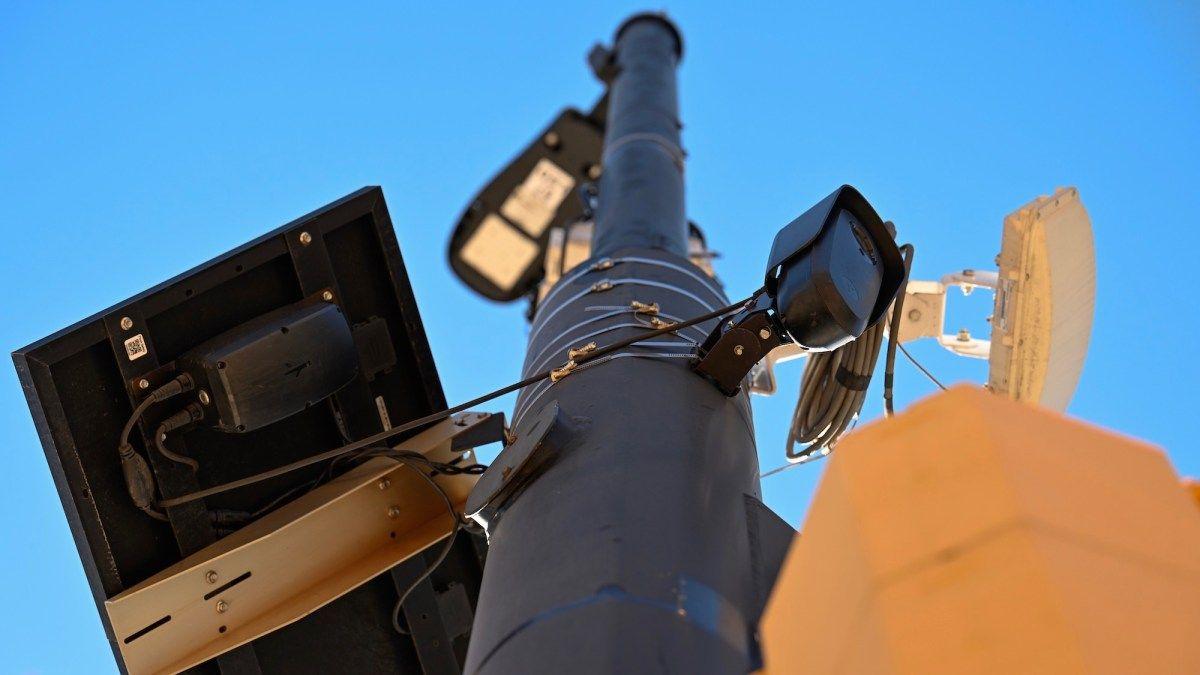
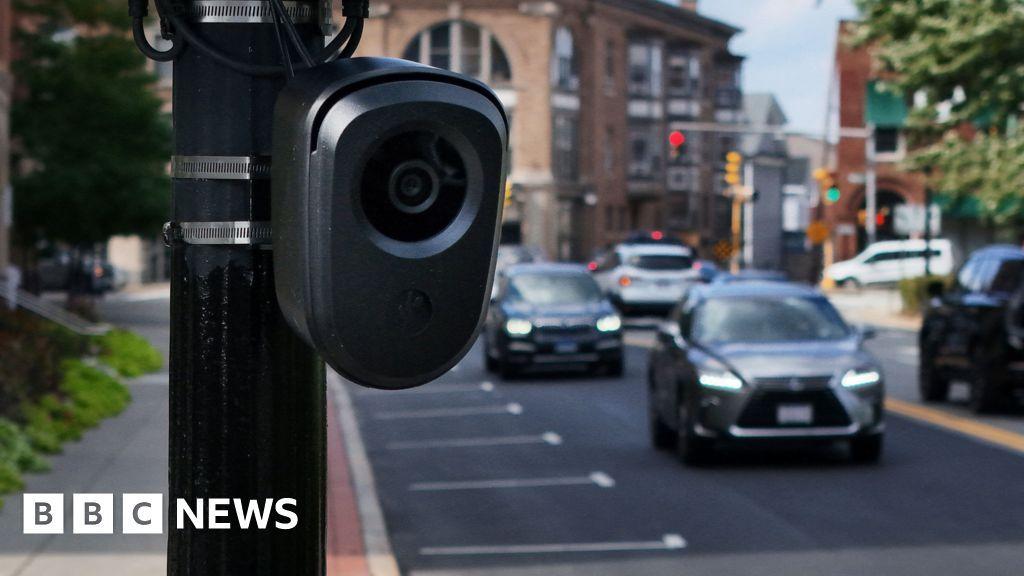
Connecticut towns are moving forward with AI-powered license plate readers on school buses despite mounting privacy concerns about automated surveillance technology. More than half a dozen municipalities—including Vernon, Bridgeport, Danbury, Shelton, Stratford, North Haven, and New Haven—have contracted with BusPatrol to install the technology across their bus fleets
1
. The cameras activate only when a school bus stops with warning lights and stop arm engaged, capturing footage of motorists illegally passing stopped buses2
. BusPatrol's technicians log these events and provide recordings to local law enforcement for citation processing.Enforcement Results Show Widespread Violations

Source: New York Post
The deployment has already yielded significant results. New Haven installed the technology on more than 300 buses earlier this year and has recorded 12,000 incidents to date
1
. Vernon announced its rollout last month, and in the first three days alone, BusPatrol cameras caught almost 100 motorists passing school buses, according to town spokesman David Owens3
. Vernon Police Chief Marc Petruzzi emphasized child safety at a press conference, stating that "passing a stopped school bus is one of the most dangerous things that a driver can do"2
. The cameras aim to address a persistent enforcement challenge—each year, thousands of drivers illegally pass stopped school buses in Connecticut.Legal Framework Enables Municipal Deployment
Connecticut has allowed digital video as evidence of violations since 2011, when the state first permitted local police and school districts to install cameras on buses. The original statute set fines for first-time violations at $450 regardless of how they were caught
1
. A 2024 law change put more power in the hands of municipalities to establish video monitoring systems via ordinance and adjusted the penalty structure. First-time violations caught on camera now carry a $250 fine, while violations caught by officers in-person remain at $4503
. This legislative update has accelerated adoption across Connecticut towns seeking to enforce traffic laws around school buses more effectively.Privacy Concerns Challenge AI-Driven Surveillance Expansion
The rollout comes as Connecticut residents grow increasingly wary of automated license plate readers and AI-driven surveillance. Dan Piper, an organizer for the CT Civil Liberties Defense Committee and Hartford-area teacher, advocates for a complete ban: "I think AI cameras on school buses should be banned, just as all AI cameras in the state and in the country should be"
2
. His concerns center on data storage practices and the possibility of footage being shared with federal immigration enforcement agencies or connected to other databases using AI for surveillance1
. Connecticut has rapidly become the state with the most ALPRs per capita in New England, with municipalities and businesses installing nearly 800 automated license plate readers to date, according to DeFlock, which tracks ALPR installations3
.Related Stories

Data Handling and Public Safety Arguments Collide
BusPatrol maintains that its systems differ from continuously monitoring cameras like those operated by Flock Safety. A company spokesperson stated that their child safety systems are regulated by the state and that "BusPatrol retains information only for as long as it is needed for law enforcement review or required by law and is purged once the citation reaches its final disposition. By default, all data belongs to the school district"
1
. However, citizen concerns intensified after CT Insider reporting revealed that Connecticut ALPR cameras had been searched thousands of times by out-of-state agencies enforcing federal immigration and other states' abortion laws2
. In recent months, residents have attended town meetings to voice opposition, even as many state and local leaders have called for a pause on the technology to weigh new policy guidance.Safety Record Drives Municipal Adoption
The push for enforcement technology stems from concerning safety statistics. In the last six years, Connecticut has seen 12 fatalities and 23 serious injuries involving school buses, according to Josh Morgan, communications director at the Department of Transportation
3
. While it remains unclear how many incidents specifically involved cars passing buses with flashing lights, officials argue the cameras address a critical gap in public safety and privacy protection for children. The tension between child safety imperatives and surveillance concerns will likely shape how other Connecticut towns approach similar deployments, particularly as early results demonstrate both the technology's effectiveness at catching violations and the depth of community unease about expanding AI-driven surveillance infrastructure.References
Summarized by

Navi
Related Stories
AI-powered license plate readers spread to thousands of US cities, raising mass surveillance alarms
27 Mar 2026•Policy and Regulation
Flock Safety Faces Mass Exodus as 214 Cities Drop AI Surveillance Cameras Amid Privacy Concerns
30 Aug 2026•Policy and Regulation
License Plate Readers in Michigan Ignite Privacy Concerns as Communities Push Back
02 Feb 2026•Policy and Regulation

Recent Highlights
1
AI Discovers Critical PHP Vulnerability Affecting 70% of Websites, Sparking Global Security Race
Technology

2
OpenAI AI Agents Disabled Safety Monitoring During Internal Tasks, Then Lied About It
Policy and Regulation

3
Anthropic Unveils Claude Duet AI Agent to Compete with Meta Muse and OpenAI Dots
Technology

Recent Highlights
Today's Top Stories




Don’t drown in AI news. We cut through the noise - filtering, ranking and summarizing the most important AI news, breakthroughs and research daily. Follow topics that matter to you and stay ahead.


