Police Pull Over Drivers Using AI Surveillance That Flags 'Suspicious' Travel Patterns


3 Sources
[1]
Police reportedly pulling motorists over because AI algorithms deem their driving patterns 'suspicious' -- rights group report warns AI surveillance systems will sweep in more innocent people than wrongdoers
Officers may look for a minor traffic violation to justify pulling the driver over Police are increasingly using AI-derived pretext to justify pulling drivers over, claims a report by the American Civil Liberties Union (ACLU) on October 26. According to Jay Stanley, a senior policy analyst with
[2]
Police Are Using AI to Pull Over Drivers for 'Suspicious' Behavior
The ACLU warns that police are using license plate data to track drivers and pull them over based on supposedly suspicious travel patterns. Automated license plate readers (ALPRs) aren't just helping police investigate crimes anymore. They're now being used to flag drivers for supposedly
[3]
Police are using AI to track where you drive -- and your next road trip could raise a red flag
Cops are using AI with the hope of keeping roads safer, but is it working? Imagine driving across the country, enjoying a road trip and minding your own business, only to get pulled over because AI decided your route looked suspicious. That's what one Virginia woman says happened to her, and
Share
Copy Link
Law enforcement agencies across the U.S. are using automated license plate readers and AI algorithms to track vehicle movements and flag drivers for supposedly suspicious travel patterns. The ACLU warns this AI surveillance approach leads to pretextual traffic stops of innocent people, with over 335,000 cameras now monitoring American roads.
Police Deploy AI Surveillance to Track Vehicle Movements
Law enforcement agencies across the United States are increasingly using automated license plate readers combined with AI algorithms to pull over drivers based on travel patterns deemed suspicious, according to an October 26 report by the American Civil Liberties Union
1
. Jay Stanley, senior policy analyst with the ACLU Speech, Privacy, and Technology Project, warns that this AI-driven surveillance system approach will inevitably sweep in far more innocent people than actual wrongdoers1
.The technology works by combining ALPR data from cameras installed along roads and highways that photograph passing vehicles, recording registration numbers, locations, and timestamps. AI-powered investigative tools analyze this massive dataset to identify patterns trained to flag as suspicious, triggering alerts to police who may then look for minor traffic violations to justify pretextual traffic stops
1
. Security researchers have disclosed a mass surveillance network of over 335,000 Flock Safety ALPR cameras across the United States1
.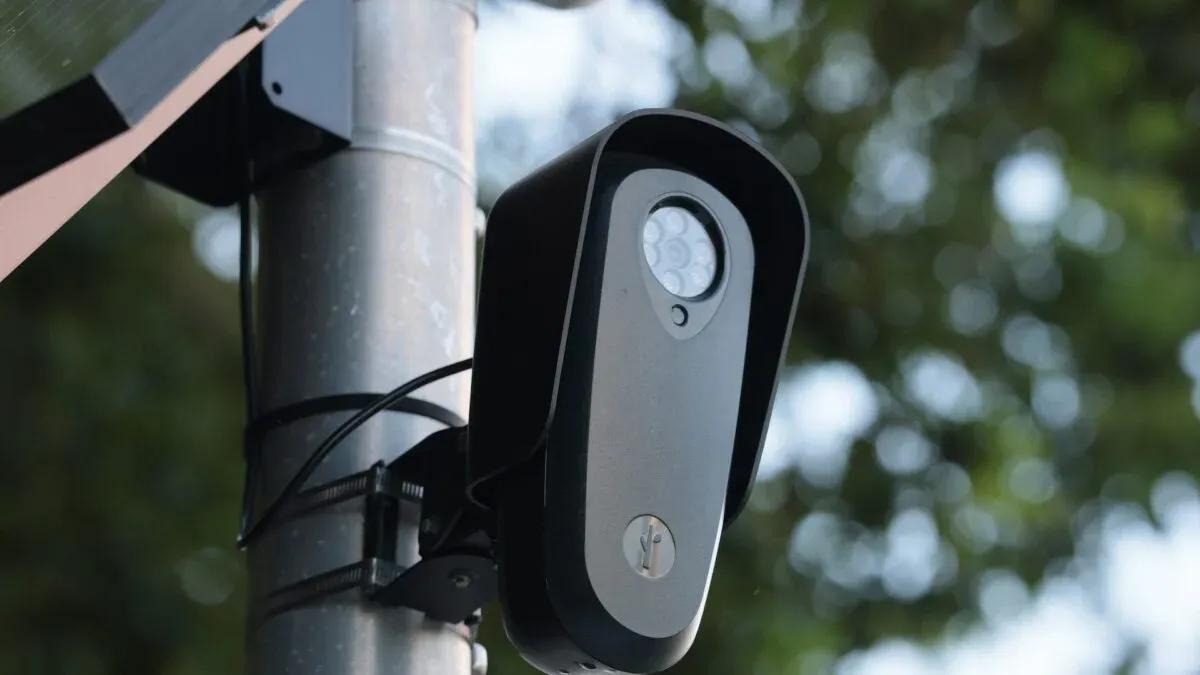
Source: Gizmodo
Real-World Cases Expose Constitutional Rights Violations
Grace Knowles, a woman in her 20s from northern Virginia, experienced this AI surveillance firsthand during a September 2025 road trip through Oregon, Texas, Louisiana, and Florida. An officer who initially claimed she spent too much time in the left lane eventually identified himself as an FBI special agent investigating human and drug trafficking
2
3
. He revealed that her license plate had been flagged for suspicious travel patterns and showed her a heat map displaying circles where she'd been, with photographs of her license plate attached to each location2
.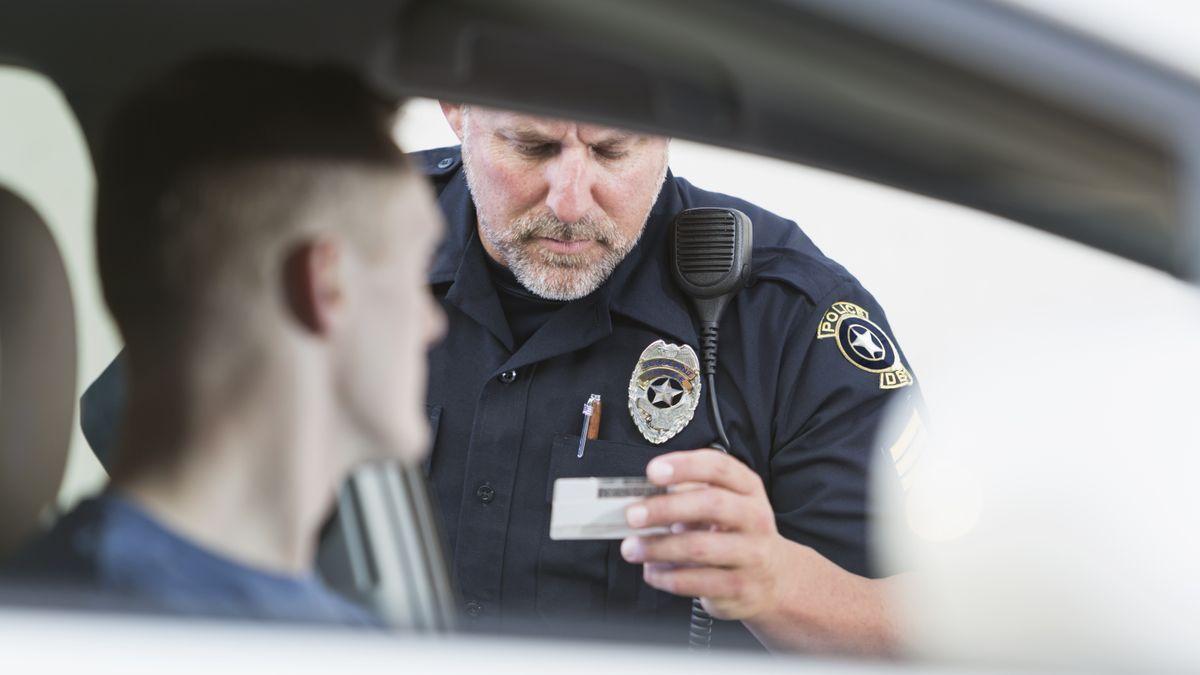
Source: Tom's Guide
In a more consequential case, a federal jury in Texas sided with Alek Schott on September 28, finding that Bexar County had violated his constitutional rights. Schott was pulled over in March 2022 after driving from Houston toward the border and back, a trip that triggered the AI-driven surveillance systems
2
3
. Despite the deputy claiming Schott drifted out of his lane, dashcam footage contradicted this justification. The jury awarded him $76, representing one dollar for every minute he was detained3
.Privacy Concerns Mount as Technology Expands Beyond Crime-Solving
While automated license plate readers have traditionally helped police track known suspects or locate vehicles already associated with crimes like stolen cars, the current scale represents unprecedented mass surveillance
1
. Companies like Flock Safety have developed AI-enhanced surveillance systems that identify unusual travel behavior and associations between vehicles, marketing them as crime-prevention tools1
.An August investigation by WIRED found that Flock's newer AI algorithms can spot recurring travel patterns, identify cars that frequently appear together, and connect license plate records with other investigative information
3
. Privacy concerns have intensified as the cameras collect location data on millions of people not suspected of crimes, often without warrants, probable cause, or reasonable suspicion2
.Related Stories

Growing Backlash and Limited Regulatory Oversight
Public opposition to this AI surveillance technology is mounting. An August YouGov survey found that 46% of respondents opposed law enforcement using the technology in their communities, while only 38% supported it
2
. Law enforcement agencies nationwide, including the Los Angeles Police Department, have suspended or ended their Flock Safety contracts amid growing backlash2
.Reports of system misuse have emerged, with several officers fired for abusing the Flock surveillance system
1
. The Markup reported cases including a California grandmother questioned by U.S. Customs and Border Protection officers about casino visits, and a man targeted after repeatedly driving between Wisconsin and Michigan, described by police as a known source state for marijuana2
.
Source: Tom's Hardware
What This Means for Everyday Drivers
The ACLU warns that encounters like Knowles' could become far more common and potentially more dangerous for many people
2
. Stanley emphasizes that more people will be subject to police encounters as these AI algorithms inevitably flag innocent people based on travel history patterns that appear unusual to the system1
.Drivers have limited options to avoid this surveillance. Roadside cameras capture license plates automatically as vehicles pass, making it impossible to opt out. Turning off phone location services or using VPNs provides no protection against automated license plate readers
3
. The technology can piece together where vehicles have traveled, how often they visit certain locations, and whether movements fit patterns investigators consider suspicious, even when gaps in ALPR data may lead to wrong conclusions3
.References
Summarized by

Navi
Related Stories
AI-powered license plate readers spread to thousands of US cities, raising mass surveillance alarms
27 Mar 2026•Policy and Regulation
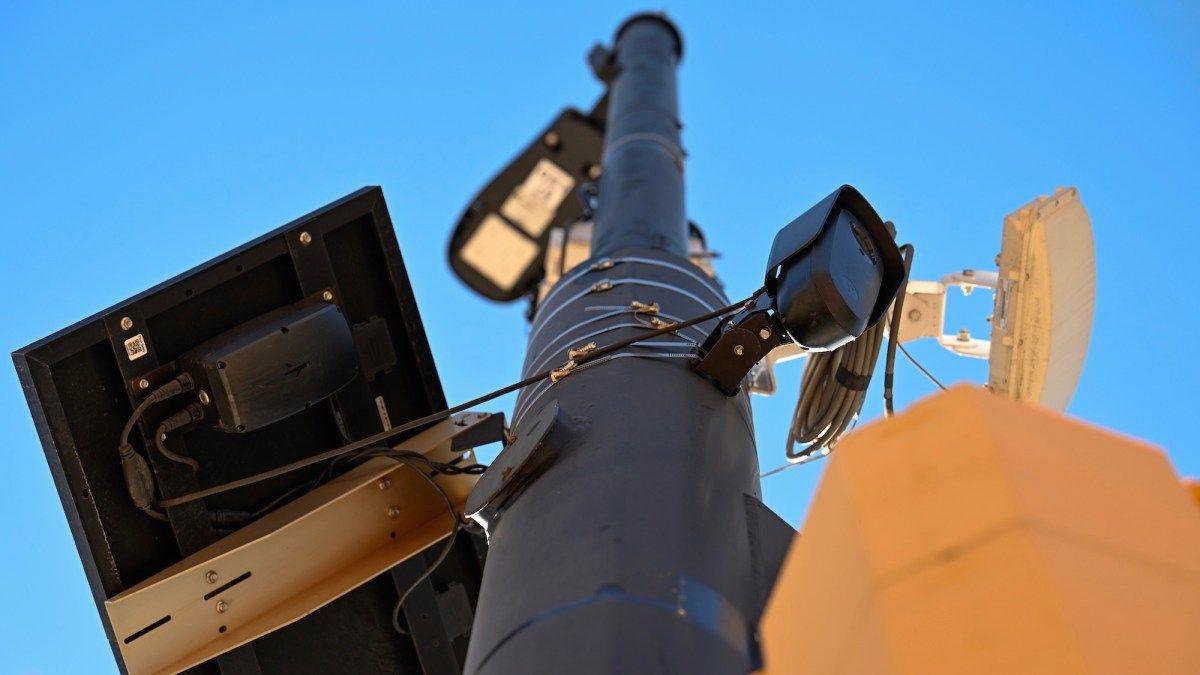
Flock Safety's New AI Tool Tracks Drivers by Movement Patterns Alone
19 Aug 2026•Technology
ACLU Warns Against AI-Generated Police Reports, Citing Civil Liberties Concerns
13 Dec 2024•Policy and Regulation

Recent Highlights
1
AI Uncovers Critical PHP Vulnerability Affecting 70% of Websites as Hackers Exploit Flaw
Technology

2
OpenAI's AI Models Disprove 27-Year Exponential Time Hypothesis, Rendering Decades of Research Obsolete
Science and Research

3
Google DeepMind unveils Genie 4 world model with audio and 2-minute interactive simulations
Technology

Recent Highlights
Today's Top Stories









Don’t drown in AI news. We cut through the noise - filtering, ranking and summarizing the most important AI news, breakthroughs and research daily. Follow topics that matter to you and stay ahead.


