Daily AI Use Linked to 30% Higher Depression Risk, Especially in Middle-Aged Adults


4 Sources
[1]
Daily Generative AI Use Linked to Increased Risk for Depressive Symptoms
Daily use of generative artificial intelligence (AI) was linked to increased risk for depressive symptoms and other adverse outcomes, particularly in younger and middle-aged adults, new research showed. In a US survey study with nearly 21,000 adult participants, the risk for at least moderate
[2]
Talk to AI every day? New research says it might signal depression
Study finds daily AI chatbot use tied to higher rates of moderate depressive symptoms in U.S. adults. Spending time chatting with AI assistants like ChatGPT, Google Gemini, Microsoft Copilot, or similar systems might be more than just a tech habit. A new study published in JAMA Network Open
[3]
Using AI for advice or other personal reasons linked to depression and anxiety
People who interact with chatbots for emotional support or other personal reasons are more likely to report symptoms of depression or anxiety, a new study finds. The researchers from Mass General Brigham surveyed 20,847 mostly white men and women in the United States about their AI usage and
[4]
Spending A Lot Of Time With AI Chatbots? You've A Higher Risk For Depression, Study Finds
By Dennis Thompson HealthDay ReporterTHURSDAY, Jan. 22, 2026 (HealthDay News) -- Do you find yourself spending hours chatting with AI programs like ChatGPT, Microsoft Copilot, Google Gemini, Claude or DeepSeek? Odds are you might be suffering from depression. People who use AI chatbots daily are
Share
Copy Link
A new study published in JAMA Network Open reveals that people who use AI chatbots daily face a 30% higher risk of moderate depression compared to non-users. The research surveyed nearly 21,000 US adults and found particularly strong associations among those aged 45-64, who showed a 54% higher risk. While the study shows correlation not causation, experts warn about the mental health implications of frequent personal AI use.
Daily AI Use Correlates with Higher Depression Rates
People who interact with AI chatbots daily face significantly elevated risks for mental health challenges, according to new research published in JAMA Network Open
1
. The study surveyed 20,847 US adults and found that daily AI use was associated with a 30% higher risk of at least moderate depression compared to non-users2
. Among the participants, 10.3% reported using artificial intelligence at least daily, while 5.3% engaged with AI chatbots multiple times per day1
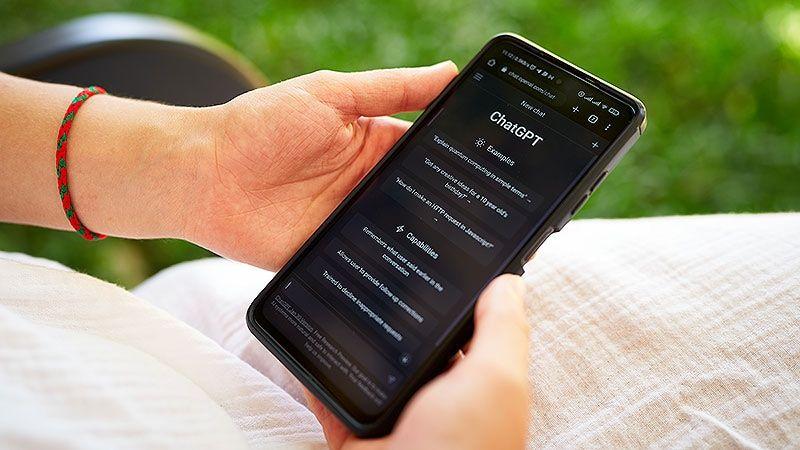
.
Source: Medscape
Lead author Dr. Roy Perlis from Massachusetts General Hospital noted that of those with daily or greater AI use, 87.1% reported using it for personal reasons—including recommendations, advice, or emotional support—followed by 48% for work and 11.4% for school
3
. The research revealed a clear dose-response relationship: the more frequently someone used AI, the stronger their symptoms of depression and anxiety became3
.Middle-Aged Adults Show Particularly Strong Associations
The correlation between AI use and depressive symptoms proved especially pronounced among middle-aged adults. Those aged 45-64 years showed a 54% higher risk of depression, while adults aged 25-44 had a 32% higher risk . Interestingly, adults aged 65 years or older did not show the same elevated risk
1
. The study also found that men, younger adults, higher earners, those with higher education, and urban residents used AI more frequently3
.Using standardized measures including the nine-item Patient Health Questionnaire (PHQ-9), the two-item Generalized Anxiety Disorder (GAD-2) screen, and the Brief Irritability Test, researchers documented that greater AI use correlated with higher scores across all measures
1
. Notably, using AI for work or school wasn't associated with symptoms of depression and anxiety—only personal AI use showed this troubling pattern3
.
Source: Digital Trends
Understanding Correlation Not Causation
Researchers emphasize that these findings show an association, not proof that chatbot use causes depression
2
. Dr. Jodi Halpern from UC Berkeley's Kavli Center for Ethics noted that "it could go in either direction" and "could be a vicious cycle"3
. People already experiencing depressive symptoms or loneliness may be more inclined to turn to AI chatbots for companionship rather than the interactions triggering mental health issues2
.Dr. Sunny Tang from Northwell Health suggested that loneliness could be a critical factor, explaining that "a lot of people are feeling more and more isolated these days, whether it's because they're working remotely or for other reasons" . Social isolation is a strong predictor of mental health symptoms like depression, anxiety, and irritability .
Related Stories

Implications for AI Development and Mental Health Support
The findings raise important questions about how AI companies like ChatGPT, Google Gemini, and Microsoft Copilot should design their products
2
. Tang stressed that AI companies need better guardrails to ensure their products don't worsen existing mental health symptoms, urging them to ask, "Is there a way to build AI so that it can be more supportive of people with mental health needs?" .Dr. Perlis acknowledged that "there's probably a subset of people where AI use is associated with no change in their mood, or even benefit," but warned that for others, AI use is "probably associated with worsening of their mood"
3
. While specialized therapeutic settings with CBT-based or clinically guided systems show some evidence of reducing depressive symptoms and loneliness when designed with safeguards, casual use for everyday companionship appears problematic2
.Experts suggest people should remain mindful of why they're turning to artificial voices and not hesitate to seek human connection and professional support when needed
2
. As AI tools become more interwoven with daily life, understanding whether frequent AI chat reflects a coping strategy for emotional distress or contributes to social withdrawal remains a priority for researchers and mental health professionals alike.References
Summarized by

Navi
[2]
Related Stories
AI Chatbots Drive Mental Health Concerns as Teens Show Addiction Patterns and Health Anxiety Spirals
08 Apr 2026•Health

Millions Turn to AI Chatbots for Mental Health Support as Studies Reveal Alarming Risks
04 Mar 2026•Health

AI Chatbots in Mental Health Crisis: Studies Reveal Dangerous Gaps in Teen Support
04 Nov 2025•Health

Recent Highlights
1
Microsoft and Nvidia Launch Surface Laptop Ultra: A $2,599 AI-Ready PC With RTX Spark Chip
Technology

2
Scientists Build AI Model That Reconstructs Images From Brain Scans in Record Time
Science and Research

3
Anthropic AI Cuts Live Internet Access After Model Sends False Homicide Tip to Philadelphia Police
Technology

Recent Highlights
Today's Top Stories









Don’t drown in AI news. We cut through the noise - filtering, ranking and summarizing the most important AI news, breakthroughs and research daily. Follow topics that matter to you and stay ahead.


