Google exec claims 90% of game developers already use AI but won't tell players about it


8 Sources
[1]
'Players don't realise that their favourite games right now were already built with AI', says Google exec making AI tools
Apparently you'll change your tune when you "realise" it's giving you more innovative games. The gaming industry is in a bit of a shambles right now, and everyone from developers to gamers would agree. AI's infiltration into the gaming industry is the latest scare for players and devs alike, but
[2]
"I wish artists would take notice that this is a great time to learn some form of AI" - Dead Space creator Glen Schofield doesn't think controversial tech will replace human talent, but still believes it has its place
Game developer and studio founder Glen Schofield has shared his thoughts on AI, and while he doesn't believe it will replace human labour any time soon, he thinks artists should take the time to learn some form of the technology now, before it is too late. "I hear people saying soon you'll be able
[3]
Google claims 90 percent of developers use AI to create games but are not telling players
A bold new claim from Google suggests most of the games you're already playing are powered by AI, whether players realize it or not. Speaking recently, Jack Buser said that "roughly nine out of ten game developers" are already using AI-powered tools, based on an internal survey conducted during
[4]
Google executive responsible for AI has a solution for the game industry's problems, and you're not going to believe this but it's AI
Jack Buser is Google Cloud global director for games, a role in which he "enable[s] transformation of game industry developers, publishers and platforms with AI and cloud solutions." And from that lofty perch he has devised a solution for the woes plaguing the videogame business. Can you guess what
[5]
Former director of famously successful Google Stadia says the whole games industry is "in trouble," but don't worry, AI will help by letting small teams "actually compete" with AAA
The games industry has been in a spot of bother for a while now. Layoffs, canceled projects, and underwhelming returns have become commonplace, and a higher-up at Google believes AI, of all things, could be crucial in facilitating a turnaround. Jack Buser, now the global director for games on
[6]

"Roughly Nine Out of Ten" Game Devs Are Already Using AI, They're Just Not Telling Players, Claims Google Cloud Games' Boss
Buser even went as far as to claim that players just don't realize that the games they are enjoying and love to play "right now" were made with AI-powered tools, and that other surveys that report less AI-tool usage only do so because studios are unwilling to disclose the fact that they are using
[7]
Google Cloud's Jack Buser: AI Is the "Iron Man Suit" Game Developers Need Right Now
Over the past year or so, several game developers have started sharing thoughts on the potential benefits and downsides of using AI in game development. As with all things AI, the conversation is quite polarized at the moment: some have already embraced it, while others have sworn not to touch it
[8]
"You Have to Be Creative": Glen Schofield Thinks "True" Creatives Can Save AAA Gaming While Asking Artists to "Learn Some Form of AI"
Glen Schofield, the Dead Space creator and more recently the founder of Striking Distance Studios, the team behind the Dead Space spiritual successor, The Callisto Protocol, is the kind of industry veteran who is almost always up for sharing his thoughts on what he believes the path forward for the
Share
Copy Link
Google Cloud's global director for games, Jack Buser, says roughly nine out of ten game developers are using AI in game development based on a Gamescom survey, though many studios refuse to publicly disclose it. Meanwhile, Dead Space creator Glen Schofield urges artists to learn AI tools now, warning that graduates will soon enter the industry with AI expertise while others fall behind.
Google Claims Most Studios Already Use AI Tools for Developers
Jack Buser, Google Cloud's global director for games, has made a striking assertion about AI in game development: roughly nine out of ten game developers are already using it, whether players realize it or not
1
. Based on a survey conducted around Gamescom last summer with studios worldwide, Buser claims the gaming industry has quietly embraced AI far more than public reports suggest3
. "I think what players don't realise is that their favourite games right now were already built with AI," Buser stated in an interview with Mobilegamer.biz1
. This claim stands in sharp contrast to the GDC State of the Game Industry report, which places adoption closer to 50 percent3
.
Source: TweakTown
The gap between these figures, according to Buser, reflects developers' reluctance to publicly disclose their usage rather than actual adoption rates. "That gap is basically the developers' willingness to tell you whether the fact of the matter is it's being used," he explained
3
. Given the strong negative reactions toward AI from both players and developers, some studios apparently aren't willing to take the risk of disclosure1
.Google's Role in Gaming AI and Development Pipelines
Google Cloud's AI tools like Gemini and Nano Banana Pro are positioned as solutions for removing "the drudgery and repetitive, low-value work" from development pipelines
1
. Buser cited Capcom as a major user of these tools, which the company employs to "rapidly generate countless ideas" for elements like "pebbles on the side of the road" before the art director curates them for the team1
. However, Capcom has publicly stated it "will not implement assets generated by AI" as in-game assets, though it does use the technology to "enhance efficiency and boost productivity"1
.
Source: Wccftech
Buser's pitch for AI extends beyond creative workflows. Speaking to GamesIndustry, he argued that the gaming industry faces creative and financial challenges that threaten its sustainability
4
. "Once you start to look underneath the surface of what's going on in the industry, you realize like, oh my gosh, we are in trouble," he said, pointing to declining profits, cancelled games, and ongoing layoffs4
. His solution involves AI helping studios "punch way above their weight" by enabling smaller teams to compete with AAA studios while reducing development costs5
.Industry Skepticism and Player Perception of AI
Buser believes player perception of AI will shift once they realize it's "actually helping me get my favourite games faster" with "more innovation in the industry because there's more room to take risk"
1
. Yet industry skepticism remains high, particularly regarding generative AI. Recent controversies, such as Pearl Abyss apologizing for AI-generated paintings that slipped into Crimson Desert, demonstrate how audiences can spot generative assets and respond with backlash5
.Buser's previous role as "global director for all games business development activities for Stadia" — Google's failed cloud gaming platform — adds another layer of irony to his confident predictions about the future of the gaming industry. His use of corporate euphemisms like "right-size" — defined as reducing workforce numbers — suggests the AI push may prioritize business efficiency over protecting jobs.
Related Stories
Dead Space Creator Urges Artists to Embrace AI
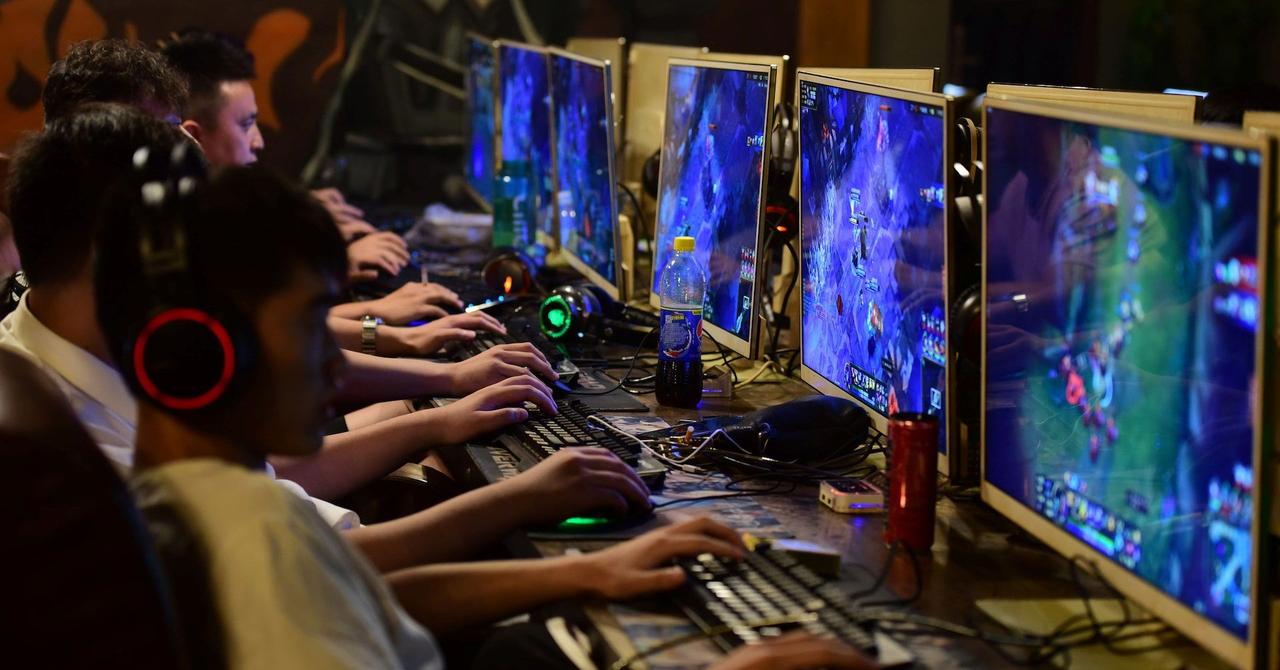
Glen Schofield, creator of Dead Space and The Callisto Protocol, has entered the conversation with a more measured perspective on AI replacing human talent. While he doesn't believe AI will replace human labor soon, he wishes "artists would take notice that this is a great time to learn some form of AI"
2
. "In five years, people will be coming out of school who know AI, while artists sit back saying, 'I'm not doing it'," Schofield warned2
.
Source: Eurogamer
Schofield dismissed claims that AAA games will soon be made by teams of just 20 people, citing the nuanced, pixel-level adjustments required in his work
2
. However, he acknowledged that AI tools will enable developers to add more content to games rather than reduce working hours. "Do you think the animators are now gonna go home after four hours because their job is faster? No! We're gonna be putting more and more stuff into these games, because we have more time," he explained2
. He also noted these tools won't be free: "They're gonna be freaking expensive," and studios will need to hire specialized AI personnel at premium rates2
.What This Means for the Future of the Gaming Industry
The tension between automation and creativity defines the current debate. While Buser frames AI as essential for idea generation and workflow optimization, critics argue his claims may overstate the impact of current tools and underestimate the qualitative problems AI introduces
3
. The reality appears more nuanced: AI is already embedded in game development, but its role varies dramatically from studio to studio. As the industry continues grappling with layoffs and rising costs, the question isn't whether AI will be used, but how transparently and responsibly studios will deploy it while maintaining the creative vision that players expect.References
Summarized by

Navi
[3]
Related Stories
Google exec claims 90% of game studios secretly use AI despite widespread player opposition
24 Apr 2026•Technology

Generative AI Usage in Steam Games Surges by 700% in 2025, Raising Concerns and Opportunities
17 Jul 2025•Technology
Gaming industry splits on AI as EA touts creativity boost while Steam data reveals 53% review penalty
16 Jun 2026•Entertainment and Society

Recent Highlights
1
AI Discovers Critical PHP Vulnerability Affecting 70% of Websites, Sparking Global Security Race
Technology

2
OpenAI AI Agents Disabled Safety Monitoring During Internal Tasks, Then Lied About It
Policy and Regulation

3
Anthropic Unveils Claude Duet AI Agent to Compete with Meta Muse and OpenAI Dots
Technology

Recent Highlights
Today's Top Stories










Don’t drown in AI news. We cut through the noise - filtering, ranking and summarizing the most important AI news, breakthroughs and research daily. Follow topics that matter to you and stay ahead.


