5 Sources
[1]
EXCLUSIVE: China's DeepSeek developing its own AI chip, sources say
July 7 (Reuters) - Chinese startup DeepSeek is developing its own AI chip, according to three people familiar with the matter, a push that could reduce its reliance on Nvidia (NVDA.O), opens new tab and Huawei chips, which it has depended on to train and run its globally popular models. The chip is designed for inference -- the stage of AI computing in which a trained model generates responses for users -- rather than for training new models, the sources said. If successful, DeepSeek's expansion into semiconductor development would mark a major strategic shift for a company widely hailed in China as the country's AI champion, potentially adding to challenges faced by Chinese tech giant Huawei. DeepSeek rose to global fame more than a year ago after releasing two highly efficient AI models that went viral worldwide, surprising many in Silicon Valley and Washington. The company has long been known for emphasizing AI model breakthroughs rather than commercializing its technology. Although Huawei's offerings still lag Nvidia's most advanced chips by a wide margin, a U.S. ban on their exports to China has helped Huawei gain around half of the $50 billion domestic AI chip market, supplying DeepSeek and several other leading industry players. However, Huawei's hold on the market is already weakening as tech rivals Alibaba (9988.HK), opens new tab and Baidu (9888.HK), opens new tab develop their own AI chips and gain market share. DeepSeek's effort to join that race remains at an early stage, with the company reaching out to external partners and holding discussions with chip-design, foundry and memory companies, the three sources said. The effort began about a year ago, one of the people said. The Hangzhou-based company has also increased hiring of chip-design engineers in recent months, but recruitment has been done privately without job postings on public hiring platforms, two of the sources said. All three people declined to be identified because the information is not public. Despite becoming a standard-bearer of China's AI ambitions, DeepSeek has kept a low profile. The company did not respond to a request for comment. FOLLOWING GLOBAL TRENDS With an in-house chip, DeepSeek would be joining other global AI developers in seeking greater control over the hardware behind their models and reduced dependence on Nvidia's. OpenAI last month unveiled Jalapeno, its first custom inference chip, developed with Broadcom, while Anthropic has been weighing building its own AI chips, Reuters reported in April. For DeepSeek, the effort carries an added strategic dimension. U.S. export controls bar Chinese companies from buying Nvidia's most advanced chips, and Beijing has been pressing its technology champions to build domestic alternatives. DeepSeek founder Liang Wenfeng said in a rare 2024 interview with a Chinese media outlet that chip export controls were a challenge for the company. DeepSeek has used both Nvidia and Huawei chips. The company has said the foundation model underpinning R1, the reasoning model whose low-cost performance triggered a rout in U.S. tech stocks in January 2025, was trained on Nvidia's H800, a chip designed for the Chinese market that Washington banned in late 2023. The company has since leaned increasingly on Huawei. In April it released its V4 model adapted for Huawei's Ascend chips, and Huawei said its processors were used in part of the training of V4-Flash, a lighter version of the model. Orders for Huawei's Ascend 950 chips from Chinese tech conglomerates surged after the launch, Reuters has reported. TAPPING INFERENCE DEMAND A DeepSeek inference chip would target the fastest-growing segment of AI computing demand. As AI applications spread, more of the industry's computing work is shifting from training models to running them, which relies on specialised chips that can be cheaper and less power-hungry than general-purpose GPUs. However, there is no guarantee of success. Designing a competitive AI chip typically takes years and significant capital. Manufacturing poses another hurdle as the U.S. bans Chinese designers from accessing the most advanced overseas foundries, while separate U.S. curbs have cut China's access to high-bandwidth memory, a component critical to AI inference chips. DeepSeek's chip push coincides with the company's first embrace of outside capital. The company was slated to raise $7 billion in a maiden funding round valuing it at between $52 billion and $59 billion, Reuters reported in June, reversing its yearslong strategy of rejecting external investment. Reporting by Reuters staff; Editing by Eduardo Baptista and Tomasz Janowski Our Standards: The Thomson Reuters Trust Principles., opens new tab
[2]
Reuters: DeepSeek is developing its own AI chips - Engadget
It is reportedly hiring engineers and speaking to manufacturers. DeepSeek, the Chinese AI company which sometimes keeps tech executives awake at night, is reportedly looking to build its own silicon. Reuters' (via USNews) sources suggest DeepSeek is looking to build a chip for inference, which is the process of running a model that has already been trained and built. The move comes as part of a push to reduce its reliance on third-party chip providers like Huawei and NVIDIA. If the report is accurate, it could signal another entrant in the fiercely competitive Chinese AI market. The report suggests DeepSeek is already in talks with manufacturing partners and has quietly begun hiring engineers to support the effort. Of course, given the various import and export bans, we probably won't see any of DeepSeek's tech leaving China. But, given how the company made its name with an open-source model that could hold its own against the big names for a fraction of the cost, its interest in chip development should be taken seriously. Especially if it finds a way to create similar cost and power savings which would likely put another dent in NVIDIA's stock.
[3]
Exclusive-China's DeepSeek Developing Its Own AI Chip, Sources Say
July 7 (Reuters) - Chinese startup DeepSeek is developing its own AI chip, according to three people familiar with the matter, a push that could reduce its reliance on Nvidia and Huawei chips, which it has depended on to train and run its globally popular models. The chip is designed for inference -- the stage of AI computing in which a trained model generates responses for users -- rather than for training new models, the sources said. If successful, DeepSeek's expansion into semiconductor development would mark a major strategic shift for a company widely hailed in China as the country's AI champion, potentially adding to challenges faced by Chinese tech giant Huawei. DeepSeek rose to global fame more than a year ago after releasing two highly efficient AI models that went viral worldwide, surprising many in Silicon Valley and Washington. The company has long been known for emphasizing AI model breakthroughs rather than commercializing its technology. Although Huawei's offerings still lag Nvidia's most advanced chips by a wide margin, a U.S. ban on their exports to China has helped Huawei gain around half of the $50 billion domestic AI chip market, supplying DeepSeek and several other leading industry players. However, Huawei's hold on the market is already weakening as tech rivals Alibaba and Baidu develop their own AI chips and gain market share. DeepSeek's effort to join that race remains at an early stage, with the company reaching out to external partners and holding discussions with chip-design, foundry and memory companies, the three sources said. The effort began about a year ago, one of the people said. The Hangzhou-based company has also increased hiring of chip-design engineers in recent months, but recruitment has been done privately without job postings on public hiring platforms, two of the sources said. All three people declined to be identified because the information is not public. Despite becoming a standard-bearer of China's AI ambitions, DeepSeek has kept a low profile. The company did not respond to a request for comment. FOLLOWING GLOBAL TRENDS With an in-house chip, DeepSeek would be joining other global AI developers in seeking greater control over the hardware behind their models and reduced dependence on Nvidia's. OpenAI last month unveiled Jalapeno, its first custom inference chip, developed with Broadcom, while Anthropic has been weighing building its own AI chips, Reuters reported in April. For DeepSeek, the effort carries an added strategic dimension. U.S. export controls bar Chinese companies from buying Nvidia's most advanced chips, and Beijing has been pressing its technology champions to build domestic alternatives. DeepSeek founder Liang Wenfeng said in a rare 2024 interview with a Chinese media outlet that chip export controls were a challenge for the company. DeepSeek has used both Nvidia and Huawei chips. The company has said the foundation model underpinning R1, the reasoning model whose low-cost performance triggered a rout in U.S. tech stocks in January 2025, was trained on Nvidia's H800, a chip designed for the Chinese market that Washington banned in late 2023. The company has since leaned increasingly on Huawei. In April it released its V4 model adapted for Huawei's Ascend chips, and Huawei said its processors were used in part of the training of V4-Flash, a lighter version of the model. Orders for Huawei's Ascend 950 chips from Chinese tech conglomerates surged after the launch, Reuters has reported. TAPPING INFERENCE DEMAND A DeepSeek inference chip would target the fastest-growing segment of AI computing demand. As AI applications spread, more of the industry's computing work is shifting from training models to running them, which relies on specialised chips that can be cheaper and less power-hungry than general-purpose GPUs. However, there is no guarantee of success. Designing a competitive AI chip typically takes years and significant capital. Manufacturing poses another hurdle as the U.S. bans Chinese designers from accessing the most advanced overseas foundries, while separate U.S. curbs have cut China's access to high-bandwidth memory, a component critical to AI inference chips. DeepSeek's chip push coincides with the company's first embrace of outside capital. The company was slated to raise $7 billion in a maiden funding round valuing it at between $52 billion and $59 billion, Reuters reported in June, reversing its yearslong strategy of rejecting external investment. (Reporting by Reuters staff; Editing by Eduardo Baptista and Tomasz Janowski)
[4]
China's DeepSeek developing its own AI chip
The chip is designed for inference - the stage of AI computing in which a trained model generates responses for users - rather than for training new models, sources said. Chinese startup DeepSeek is developing its own AI chip, according to three people familiar with the matter, a push that could reduce its reliance on Nvidia and Huawei chips, which it has depended on to train and run its globally popular models. The chip is designed for inference - the stage of AI computing in which a trained model generates responses for users - rather than for training new models, the sources said. If successful, DeepSeek's expansion into semiconductor development would mark a major strategic shift for a company widely hailed in China as the country's AI champion, potentially adding to challenges faced by Chinese tech giant Huawei. DeepSeek rose to global fame more than a year ago after releasing two highly efficient AI models that went viral worldwide, surprising many in Silicon Valley and Washington. The company has long been known for emphasizing AI model breakthroughs rather than commercializing its technology. Although Huawei's offerings still lag Nvidia's most advanced chips by a wide margin, a U.S. ban on their exports to China has helped Huawei gain around half of the $50 billion domestic AI chip market, supplying DeepSeek and several other leading industry players. However, Huawei's hold on the market is already weakening as tech rivals Alibaba and Baidu develop their own AI chips and gain market share. DeepSeek's effort to join that race remains at an early stage, with the company reaching out to external partners and holding discussions with chip-design, foundry and memory companies, the three sources said. The effort began about a year ago, one of the people said. The Hangzhou-based company has also increased hiring of chip-design engineers in recent months, but recruitment has been done privately without job postings on public hiring platforms, two of the sources said. All three people declined to be identified because the information is not public. Despite becoming a standard-bearer of China's AI ambitions, DeepSeek has kept a low profile. The company did not respond to a request for comment. Following global trends With an in-house chip, DeepSeek would be joining other global AI developers in seeking greater control over the hardware behind their models and reduced dependence on Nvidia's. OpenAI last month unveiled Jalapeno, its first custom inference chip, developed with Broadcom, while Anthropic has been weighing building its own AI chips, Reuters reported in April. For DeepSeek, the effort carries an added strategic dimension. U.S. export controls bar Chinese companies from buying Nvidia's most advanced chips, and Beijing has been pressing its technology champions to build domestic alternatives. DeepSeek founder Liang Wenfeng said in a rare 2024 interview with a Chinese media outlet that chip export controls were a challenge for the company. DeepSeek has used both Nvidia and Huawei chips. The company has said the foundation model underpinning R1, the reasoning model whose low-cost performance triggered a rout in U.S. tech stocks in January 2025, was trained on Nvidia's H800, a chip designed for the Chinese market that Washington banned in late 2023. The company has since leaned increasingly on Huawei. In April it released its V4 model adapted for Huawei's Ascend chips, and Huawei said its processors were used in part of the training of V4-Flash, a lighter version of the model. Orders for Huawei's Ascend 950 chips from Chinese tech conglomerates surged after the launch, Reuters has reported. Tapping inference demand A DeepSeek inference chip would target the fastest-growing segment of AI computing demand. As AI applications spread, more of the industry's computing work is shifting from training models to running them, which relies on specialised chips that can be cheaper and less power-hungry than general-purpose GPUs. However, there is no guarantee of success. Designing a competitive AI chip typically takes years and significant capital. Manufacturing poses another hurdle as the U.S. bans Chinese designers from accessing the most advanced overseas foundries, while separate U.S. curbs have cut China's access to high-bandwidth memory, a component critical to AI inference chips. DeepSeek's chip push coincides with the company's first embrace of outside capital. The company was slated to raise $7 billion in a maiden funding round valuing it at between $52 billion and $59 billion, Reuters reported in June, reversing its yearslong strategy of rejecting external investment.
[5]
China's DeepSeek developing its own AI chip, sources say - The Korea Times
Chinese startup DeepSeek is developing its own AI chip, according to three people familiar with the matter, a push that could reduce its reliance on Nvidia and Huawei chips, which it has depended on to train and run its globally popular models. The chip is designed for inference -- the stage of AI computing in which a trained model generates responses for users -- rather than for training new models, the sources said. If successful, DeepSeek's expansion into semiconductor development would mark a major strategic shift for a company widely hailed in China as the country's AI champion, potentially adding to challenges faced by Chinese tech giant Huawei. Shares of U.S.-based Nvidia slipped about 2 percent in premarket trading. DeepSeek rose to global fame more than a year ago after releasing two highly efficient AI models that went viral worldwide, surprising many in Silicon Valley and Washington. The company has long been known for emphasizing AI model breakthroughs rather than commercializing its technology. Although Huawei's offerings still lag Nvidia's most advanced chips by a wide margin, a U.S. ban on their exports to China has helped Huawei gain around half of the $50 billion domestic AI chip market, supplying DeepSeek and several other leading industry players. However, Huawei's hold on the market is already weakening as tech rivals Alibaba and Baidu develop their own AI chips and gain market share. DeepSeek's effort to join that race remains at an early stage, with the company reaching out to external partners and holding discussions with chip-design, foundry and memory companies, the three sources said. The effort began about a year ago, one of the people said. The Hangzhou-based company has also increased hiring of chip-design engineers in recent months, but recruitment has been done privately without job postings on public hiring platforms, two of the sources said. All three people declined to be identified because the information is not public. Despite becoming a standard-bearer of China's AI ambitions, DeepSeek has kept a low profile. The company did not respond to a request for comment. Following global trends With an in-house chip, DeepSeek would be joining other global AI developers in seeking greater control over the hardware behind their models and reduced dependence on Nvidia's. OpenAI last month unveiled Jalapeno, its first custom inference chip, developed with Broadcom, while Anthropic has been weighing building its own AI chips, Reuters reported in April. For DeepSeek, the effort carries an added strategic dimension. U.S. export controls bar Chinese companies from buying Nvidia's most advanced chips, and Beijing has been pressing its technology champions to build domestic alternatives. DeepSeek founder Liang Wenfeng said in a rare 2024 interview with a Chinese media outlet that chip export controls were a challenge for the company. DeepSeek has used both Nvidia and Huawei chips. The company has said the foundation model underpinning R1, the reasoning model whose low-cost performance triggered a rout in U.S. tech stocks in January 2025, was trained on Nvidia's H800, a chip designed for the Chinese market that Washington banned in late 2023. The company has since leaned increasingly on Huawei. In April it released its V4 model adapted for Huawei's Ascend chips, and Huawei said its processors were used in part of the training of V4-Flash, a lighter version of the model. Orders for Huawei's Ascend 950 chips from Chinese tech conglomerates surged after the launch, Reuters has reported. Tapping inference demand A DeepSeek inference chip would target the fastest-growing segment of AI computing demand. As AI applications spread, more of the industry's computing work is shifting from training models to running them, which relies on specialised chips that can be cheaper and less power-hungry than general-purpose GPUs. However, there is no guarantee of success. Designing a competitive AI chip typically takes years and significant capital. Manufacturing poses another hurdle as the U.S. bans Chinese designers from accessing the most advanced overseas foundries, while separate U.S. curbs have cut China's access to high-bandwidth memory, a component critical to AI inference chips. DeepSeek's chip push coincides with the company's first embrace of outside capital. The company was slated to raise $7 billion in a maiden funding round valuing it at between $52 billion and $59 billion, Reuters reported in June, reversing its yearslong strategy of rejecting external investment.
Share
Copy Link
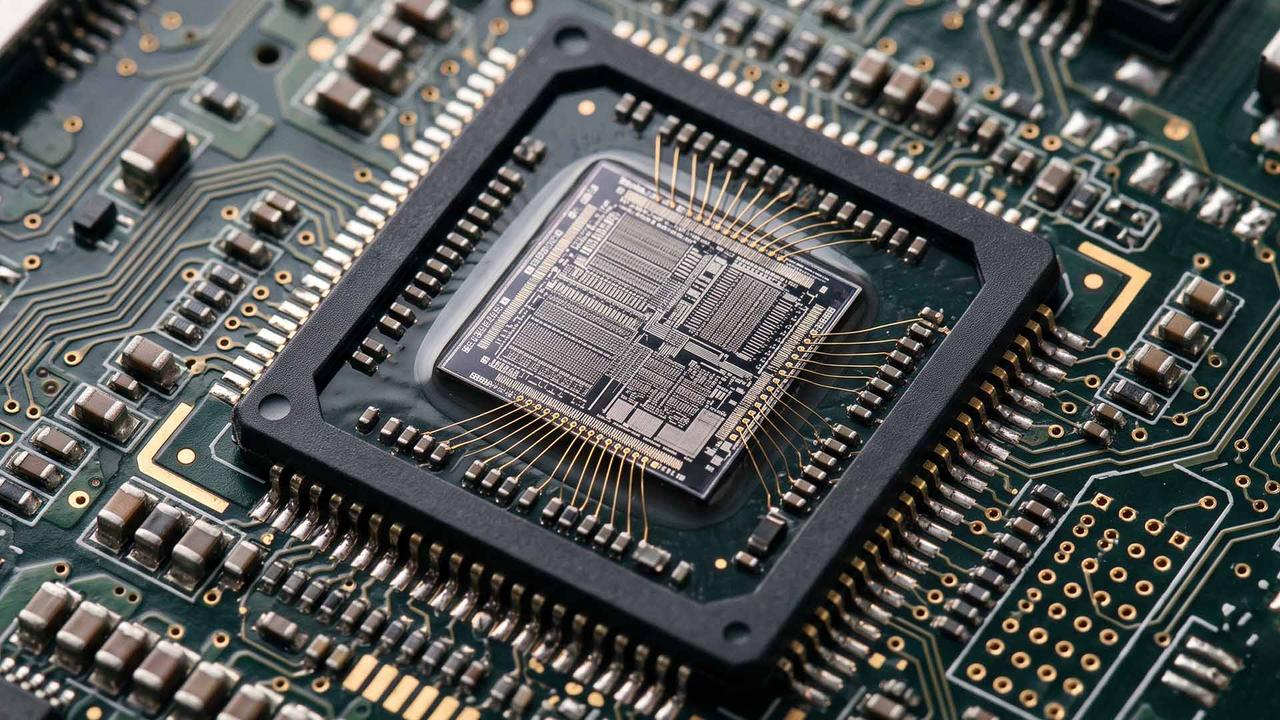
Chinese AI startup DeepSeek is developing its own AI inference chip, marking a strategic shift for the company known for efficient AI models. The move aims to reduce dependence on Nvidia and Huawei chips while navigating U.S. export restrictions. DeepSeek has begun hiring chip-design engineers and is in talks with manufacturing partners, though the effort faces significant technical and geopolitical hurdles.
Chinese AI startup DeepSeek is developing its own AI chip, according to three sources familiar with the matter, in a strategic push that could reshape its hardware dependencies and China's competitive AI landscape
1
. The chip is designed specifically for inference—the stage where trained AI models generate responses for users—rather than for training new models3
. This marks a significant departure for the Hangzhou-based company, which has historically emphasized AI model breakthroughs over commercialization and hardware development.
Source: Korea Times
The effort to develop custom AI hardware positions DeepSeek alongside global AI leaders like OpenAI, which unveiled its Jalapeno inference chip last month, and Anthropic, which has been weighing similar moves
1
. For DeepSeek, however, the initiative carries added urgency due to U.S. export controls that bar Chinese companies from accessing Nvidia's most advanced chips, forcing Beijing to press its technology champions to build domestic alternatives.DeepSeek's chip development comes as the Chinese AI startup faces mounting pressure from U.S. export controls. The company's founder, Liang Wenfeng, acknowledged in a rare 2024 interview that chip export controls posed significant challenges
4
. DeepSeek has historically relied on both Nvidia and Huawei chips to power its operations. Its R1 reasoning model, which triggered a rout in U.S. tech stocks in January 2025 due to its low-cost performance, was trained on Nvidia's H800 chip—a processor designed for the Chinese market that Washington banned in late 20235
.Since then, DeepSeek has leaned increasingly on Huawei. In April, the company released its V4 model adapted for Huawei's Ascend chips, with Huawei's processors used in part of the training of V4-Flash, a lighter version of the model
1
. Orders for Huawei's Ascend 950 chips from Chinese tech conglomerates surged following the launch. Yet Huawei's grip on the $50 billion domestic AI chip market—where it holds roughly half the share—is weakening as rivals Alibaba and Baidu develop their own chips3
.DeepSeek's effort to join the semiconductor race remains at an early stage. The company began the initiative about a year ago and has since reached out to external partners, holding discussions with chip-design, foundry, and memory companies
1
. The Hangzhou-based firm has also quietly increased hiring of chip-design engineers in recent months, conducting recruitment privately without posting jobs on public hiring platforms2
.
Source: Reuters
This stealth approach aligns with DeepSeek's broader profile. Despite becoming a standard-bearer of China's AI ambitions after its highly efficient AI models went viral worldwide and surprised Silicon Valley and Washington, the company has maintained a low profile
4
. DeepSeek did not respond to requests for comment on its chip development plans.Related Stories
A DeepSeek AI inference chip would target the fastest-growing segment of AI computing demand. As AI applications spread across industries, more computing work is shifting from training models to running them through inference, which relies on specialized chips that can be cheaper and less power-hungry than general-purpose GPUs
5
. This shift makes inference chips increasingly valuable for companies seeking to deploy AI models at scale while managing costs and energy consumption.However, success is far from guaranteed. Designing a competitive AI chip typically requires years of development and significant capital investment. Manufacturing poses another substantial hurdle, as U.S. restrictions ban Chinese designers from accessing the most advanced overseas foundries
3
. Separate U.S. curbs have also cut China's access to high-bandwidth memory, a component critical to AI inference chips, creating additional technical obstacles for semiconductor manufacturing.
Source: ET
DeepSeek's chip push coincides with the company's first embrace of outside capital. The company was slated to raise $7 billion in a maiden funding round valuing it at between $52 billion and $59 billion, reversing its yearslong strategy of rejecting external investment
1
. This funding shift suggests DeepSeek is positioning itself for the substantial capital requirements of semiconductor development while potentially expanding its commercial ambitions beyond pure research.If successful, DeepSeek's expansion into semiconductor development would mark a major strategic shift and potentially add to challenges faced by Chinese tech giant Huawei, which currently supplies chips to DeepSeek and other leading industry players
4
. The move also reflects broader industry trends, with AI developers worldwide seeking greater control over their hardware to reduce reliance on Nvidia and optimize performance for their specific use cases. Watch for updates on DeepSeek's partnerships with foundries and progress in securing high-bandwidth memory access, as these factors will determine whether the company can overcome the technical barriers to producing competitive chips under current geopolitical pressures.Summarized by
Navi
03 Apr 2026•Technology

20 Aug 2025•Technology

24 Feb 2026•Policy and Regulation

1
Policy and Regulation

2
Policy and Regulation

3
Policy and Regulation