Delivery Robots Accused of Scanning Faces Without Consent in Chicago Lawsuits


8 Sources
[1]
Lawsuits Allege Delivery Robots Recorded Biometric Data Without Permission - CNET
As delivery robots roll through cities like Chicago, they're fueling fears about unregulated surveillance in public spaces. Food delivery robots might not just be carrying burritos. They could be taking a measurement of your face. Two proposed class action lawsuits in Chicago accuse Coco Robotics
[2]
Delivery Robots Are Watching You, According to Lawsuit
In addition to paying the cost of food and delivery fees, it turns out there's another payment you might be making when you place an order that is brought to you by a delivery robot: your biometric data. According to a report from the Associated Press, two popular delivery robot manufacturers are
[3]
Delivery robots face lawsuit for allegedly scanning faces of customers, collecting data
Chicagoans fight back against delivery robots in court. Credit: Kayla Bartkowski / Contributor / Los Angeles Times via Getty Images Two Chicago men are suing delivery robot companies Coco Robotics and Serve Robotics for allegedly collecting their biometric information without consent. The two
[4]
'Sidewalk surveillance': Illinois residents accuse delivery robots of capturing biometric data without permission
* Two new Chicago lawsuits claim unauthorized biometric data collections * In these cases, the biometrics are face and body scans * Coco Robotics and Serve Robotics have denied the allegations The backlash to what's perceived as surveillance technology continues, with two Chicago residents
[5]

Next time you see a delivery robot, maybe hide your face.
Two residents of Chicago have filed a lawsuit in the US over claims that robots run by Coco Robotics and Serve Robotics captured their facial and hand measurements without consent, bringing renewed attention to the food delivery robots. The cases raise a troubling question: If a robot delivers food
[6]

Are Delivery Robots Scanning You Into a Database Scarier Than Flock?
For all the controversy they've caught this year, Flock cameras only collect and store license plate data from passing vehicles. But the WALL-E-esque delivery robots now trundling through America's cities are bristling with cameras and sensors that help them navigate the bustling world around them
[7]

Food delivery robots collected biometric data, lawsuits allege
Two food delivery robot companies are facing proposed class-action lawsuits alleging their machines collected customers' facial and hand measurements without consent, potentially violating Illinois' biometric privacy law. The lawsuits were filed Oct. 9 in Cook County, Illinois, against Coco
[8]

Delivery Robots Accused of Scanning Customers' Faces, Sharing Biometric Data
The battle over Chicago's food delivery robots has reached the courts, with two customers accusing the companies behind them of collecting their biometric data without consent. The men filed separate class-action lawsuits in Cook County court Oct. 9 against Coco Robotics and Serve Robotics,
Share
Copy Link
Two Chicago residents filed class action lawsuits against Coco Robotics and Serve Robotics, alleging delivery robots scanned their faces and hands using AI-powered cameras and lidar systems without consent. The suits claim violations of Illinois' Biometric Information Privacy Act and raise concerns about data being used for AI training.
Delivery Robots Capture Biometric Data Without Permission
Two Chicago residents have filed class action lawsuits against Coco Robotics and Serve Robotics, alleging that delivery robots scanned their biometric data without consent during food deliveries.
1
The suits, filed in Cook County on October 9, claim the companies violated the Illinois Biometric Information Privacy Act (BIPA) by collecting facial geometry and hand measurements through AI-powered cameras and lidar systems.4
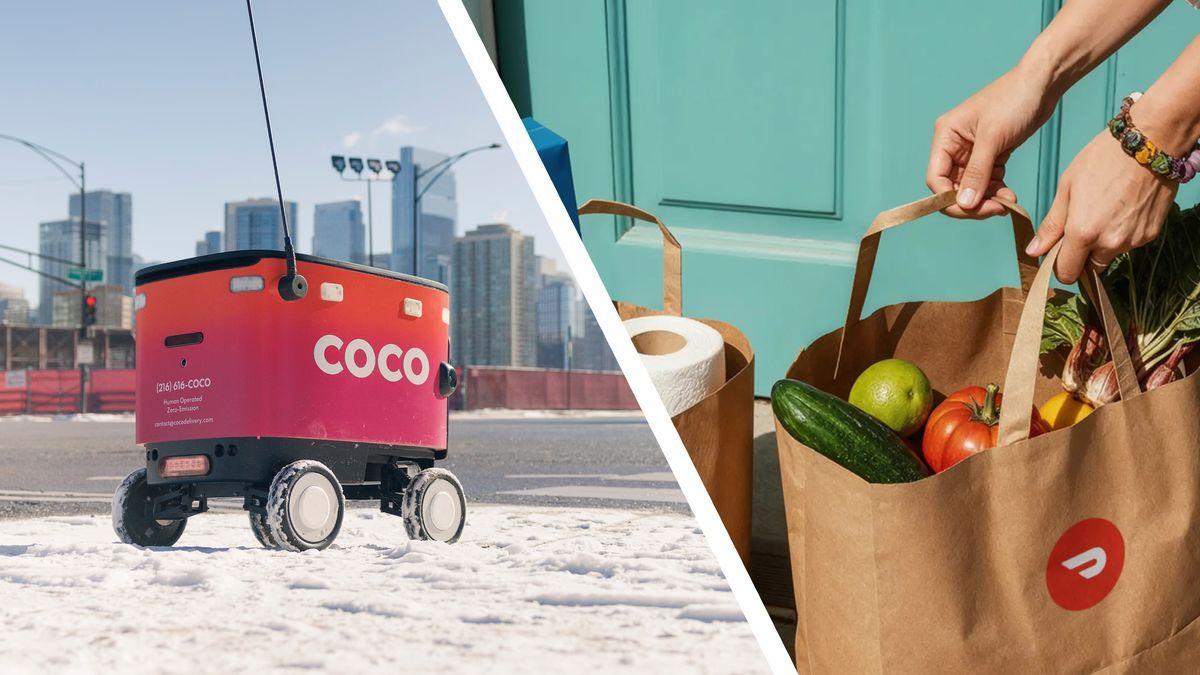
Plaintiff Mitchell Breidinger alleged that a Coco robot delivered his DoorDash order in September 2025, even though he hadn't selected robot delivery. While entering a pickup code, the robot's cameras captured his face, head, and hands, while lidar technology measured the geometry of those body parts.
1
Breidinger also claimed a remote operator watched the delivery in real-time, and the company failed to notify him in writing about collecting data without consent or retention schedules.2
Source: TechRadar
BIPA Violations and AI Training Data Concerns
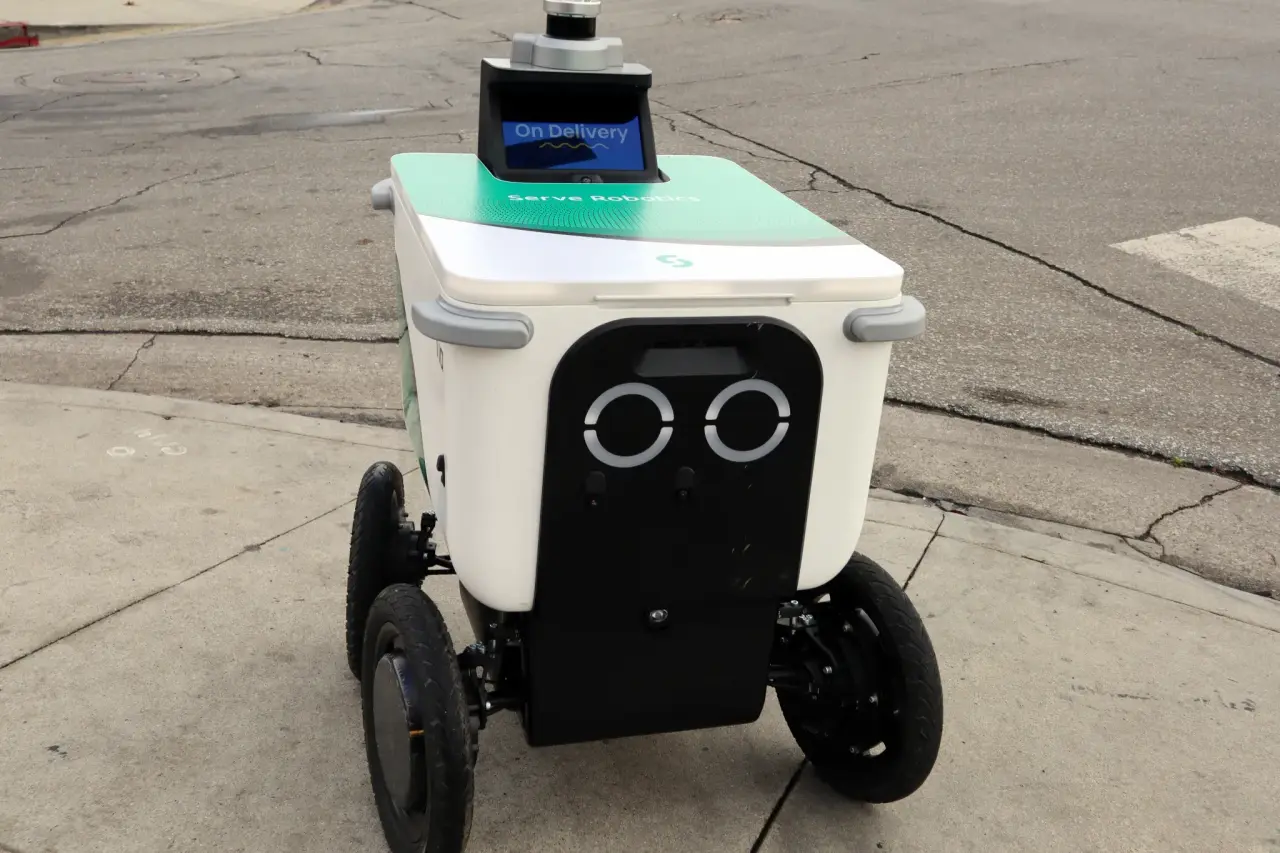
The second plaintiff, Barry Schain, received three Serve Robotics deliveries through Uber Eats without requesting robot delivery. His lawsuit alleges the company retained video and sensor data, potentially using it for AI training data purposes or licensing it to third parties, including OpenAI.
3
The Illinois Biometric Information Privacy Act requires companies to provide written notice of data collection types and purposes, obtain prior written consent, and maintain clear retention and deletion schedules.1
The lawsuits seek statutory damages of $1,000 per negligent violation or $5,000 per intentional or reckless violation, plus additional unspecified relief.
4
Both cases hinge on whether the robots' scanning of faces and hands constitutes biometric data collection under BIPA, and whether customers were properly informed and consented.5
Companies Deny Allegations Amid Sidewalk Surveillance Debate
Coco Robotics and Serve Robotics have denied the allegations. A Serve Robotics spokesperson stated that their robots "use cameras and sensors to navigate the sidewalks of Chicago safely" and do not use data to identify individuals or create biometric profiles.
1
Coco Robotics called the lawsuit "frivolous," claiming they collect only navigational data for navigational purposes to make sidewalks safer and do not share data from delivery trip endpoints under data sharing partnerships.4
However, privacy concerns extend beyond customers. The lawsuits raise questions about whether passersby on sidewalks could also have their faces and hands scanned by the robots, intensifying debates about AI-driven surveillance in public spaces.
5
Chicago has become ground zero for these debates, with residents expressing frustration over sidewalk congestion and safety hazards created by the growing number of delivery robots.2
Source: Futurism
Related Stories

Rapid Industry Growth Raises Privacy and Job Concerns
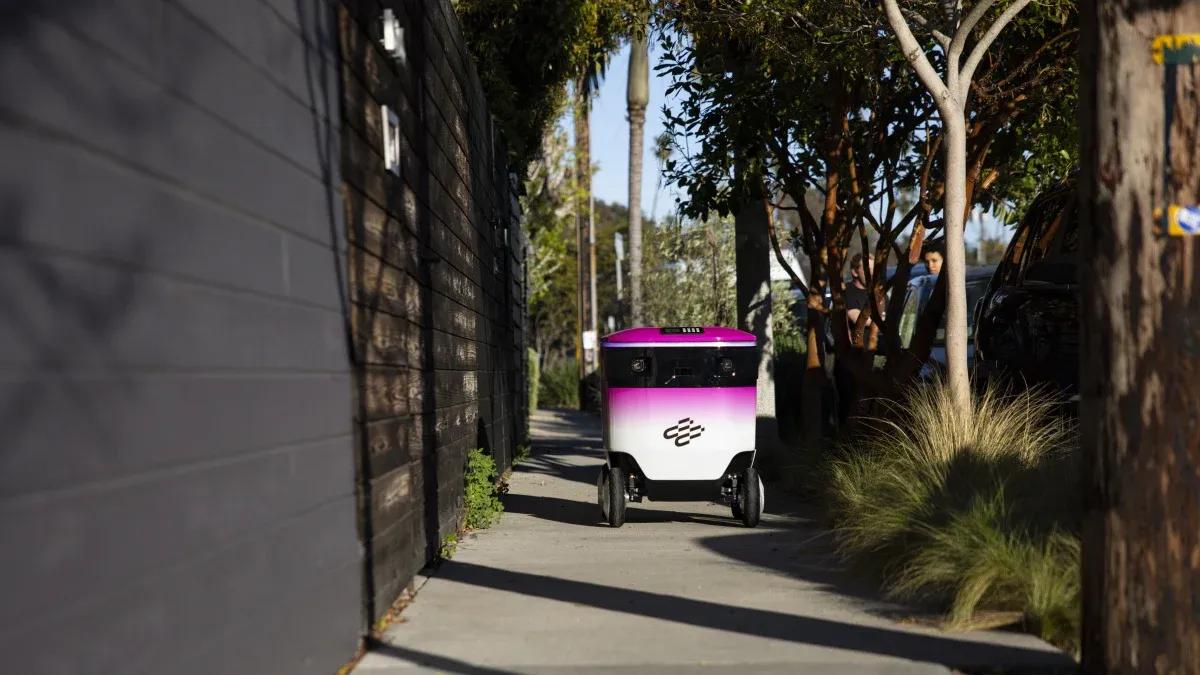
Coco Robotics now operates approximately 1,000 robots across Chicago, Los Angeles, Washington DC, and Miami, while Serve Robotics has more than 2,000 robots in Los Angeles, Atlanta, Dallas-Fort Worth, Miami, Chicago, and Alexandria, Virginia.
1
Both companies primarily deliver food for DoorDash, Uber Eats, and Grubhub. The US robotic delivery market is projected to grow from $252 million in 2025 to $3.1 billion by 2035.1
Source: Mashable
Privacy experts and digital rights activists warn that autonomous courier technology could be used by governments or corporations to track people's activities, while also eliminating delivery jobs.
1
The backlash mirrors growing resistance to other surveillance tools like Flock Safety cameras across the US, with delivery robots being punched, kicked, tipped over, and defaced according to reports.1
Chicago's pilot program for these machines expires in May 2027, giving regulators a deadline to weigh benefits against privacy and safety issues.5
The outcome of these class action lawsuits could establish precedent for how delivery robots collect, store, and share data, particularly as Illinois maintains one of the strongest biometric privacy laws in the United States. Watch for how courts interpret whether lidar systems and camera scanning constitute biometric data collection, and whether the companies' navigational data defense holds up under BIPA's stringent consent requirements.
References
Summarized by

Navi
[4]
[5]
Related Stories
Nine Tech Giants Face Hundreds of Millions in Damages Over Unauthorized Voice Data for AI Training
21 Aug 2026•Policy and Regulation

Amazon faces class-action lawsuit over Ring facial recognition scanning millions without consent
02 Jun 2026•Policy and Regulation
Startups tap India's gig workers to collect physical AI training data, igniting privacy concerns
25 May 2026•Technology
Recent Highlights



Recent Highlights
Today's Top Stories





Don’t drown in AI news. We cut through the noise - filtering, ranking and summarizing the most important AI news, breakthroughs and research daily. Follow topics that matter to you and stay ahead.


