Digital Age Reshapes Autobiographical Memory: Opportunities and Challenges


2 Sources
[1]
Autobiographical memory in the digital age: Our lives in the mirror of our data
"One can have very different intuitions about how this increased density of recorded life episodes should be evaluated," explains Dr Fabian Hutmacher, a researcher at the Chair of Psychology of Communication and New Media at Julius-Maximilians-Universität (JMU) Würzburg in Bavaria, Germany. "Some
[2]
Are Digital Memories Enhancing or Altering Our Autobiographical Past? - Neuroscience News
Summary: Digital technology has transformed how we document and recall life experiences, from capturing every moment with photos to tracking our health data on smart devices. This increased density of digital records offers potential benefits, like enhancing memory for personal events or supporting
Share
Copy Link
Researchers explore how digital technology is transforming the way we remember and document our lives, highlighting both potential benefits and risks in this evolving landscape of personal memory.

The Digital Revolution in Personal Memory
In an era where our lives are increasingly documented through digital means, researchers are exploring the profound impact of technology on autobiographical memory. Dr. Fabian Hutmacher from Julius-Maximilians-Universität (JMU) Würzburg, along with colleagues Professor Markus Appel and Professor Stephan Schwan, have published a groundbreaking article in Psychological Inquiry, examining the intersection of digital technology and personal recollection
1
.The Density of Digital Life Records
The stark contrast between past and present methods of preserving memories is evident. A century ago, individuals possessed only a handful of photographs. Today, we can effortlessly capture and store countless moments, from significant milestones to mundane daily activities
2
. This shift raises both hopes and concerns about the impact on human memory and privacy.Digital Resources: More Than Passive Storage
What sets digital memory aids apart is not just the volume of data but also its nature. Dr. Hutmacher explains, "Digital resources create a searchable database consisting of a combination of different media sources that can often be accessed anywhere at any time"
1
. Moreover, artificial intelligence can manipulate and rearrange these digital records, potentially altering our perception of past experiences.Varied Applications of Digital Memory Aids
Different types of digital data serve distinct purposes in memory recall:
- Quantitative data (e.g., fitness trackers) helps identify long-term behavioral trends.
- Photos and videos are more suited for reminiscing about specific events.
Potential Benefits and Risks
The researchers highlight several potential applications and concerns:
- Supporting Memory Impairment: Digital resources could assist individuals with dementia or memory difficulties in daily life
2
. - Preserving Collective Memory: Digital recordings may help maintain important historical testimonies, such as those of Holocaust survivors
1
. - Enhanced Realism: Virtual and augmented reality technologies are expanding the ways we can interact with memories
2
. - Risk of Manipulation: The emergence of deepfake technology poses a threat not just to public figures but potentially to personal memories as well
1
.
Related Stories

The Need for Further Research
Dr. Hutmacher emphasizes the importance of continued study in this field: "Autobiographical memories are an important part of what makes us human. This makes further research in the coming years all the more important"
2
. Key areas for future investigation include:- The interplay between digital records and cognitive memory.
- Optimal organization and utilization of digital data for memory enhancement.
Conclusion
As we navigate this new frontier of memory in the digital age, the research conducted by Dr. Hutmacher and his colleagues provides crucial insights. While the potential benefits of digital memory aids are significant, so too are the challenges and risks. As technology continues to evolve, understanding its impact on our autobiographical memories remains a critical area of study, with implications for individual identity, collective history, and the very nature of human experience.
References
Summarized by

Navi
Related Stories
Digital Brain Twins: A New Frontier in Mental Health and Cognitive Care
14 Oct 2025•Health

New Input-Driven Plasticity Model Revolutionizes Understanding of Memory Retrieval in AI
15 May 2025•Science and Research
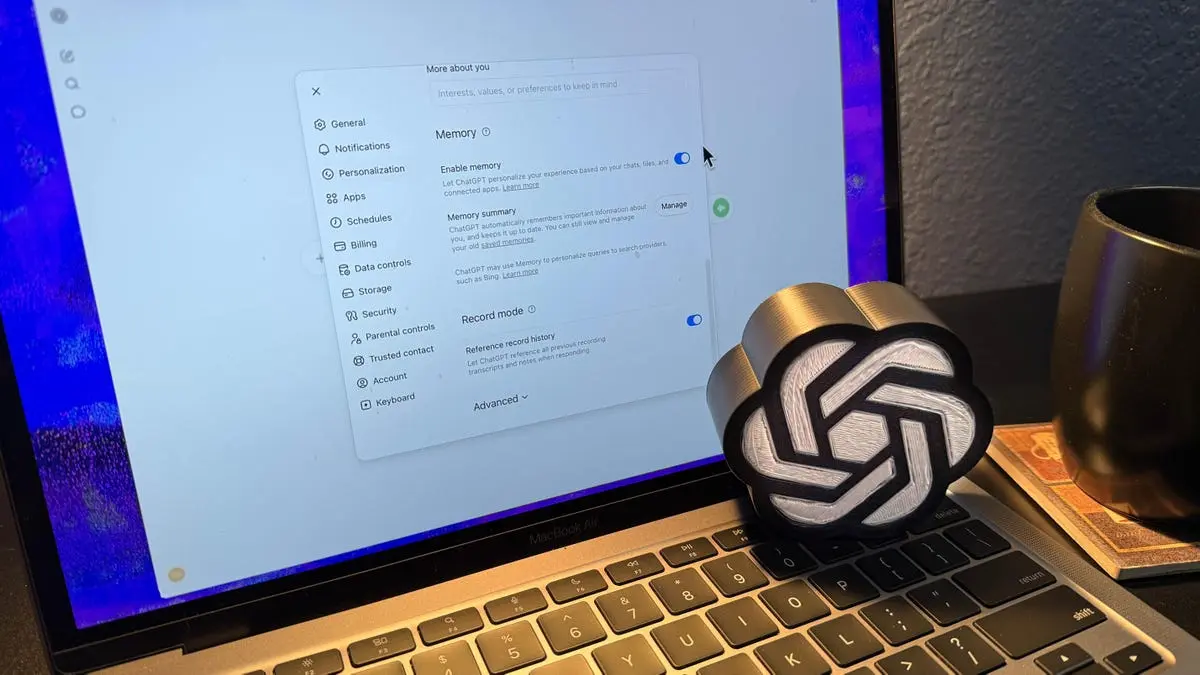
ChatGPT's new memory builds a profile of you automatically—and OpenAI admits you can't see it all
18 Jun 2026•Technology
Recent Highlights



Recent Highlights
Today's Top Stories



Don’t drown in AI news. We cut through the noise - filtering, ranking and summarizing the most important AI news, breakthroughs and research daily. Follow topics that matter to you and stay ahead.


