Digital Brain Twins: A New Frontier in Mental Health and Cognitive Care


2 Sources
[1]
A 'digital twin' of your brain could predict mental health issues, and slow cognitive decline
Universidad Nebrija provides funding as a member of The Conversation EUROPE. When we hear the word "twins", we tend to think of two identical people who share physical traits, and perhaps certain behaviours or quirks. However, in the world of technology this word has a different meaning. It refers
[2]
A 'digital twin' of your brain could predict mental health issues, and slow cognitive decline
When we hear the word "twins," we tend to think of two identical people who share physical traits, and perhaps certain behaviors or quirks. However, in the world of technology this word has a different meaning. It refers to something both revolutionary and still relatively underexplored: digital
Share
Copy Link
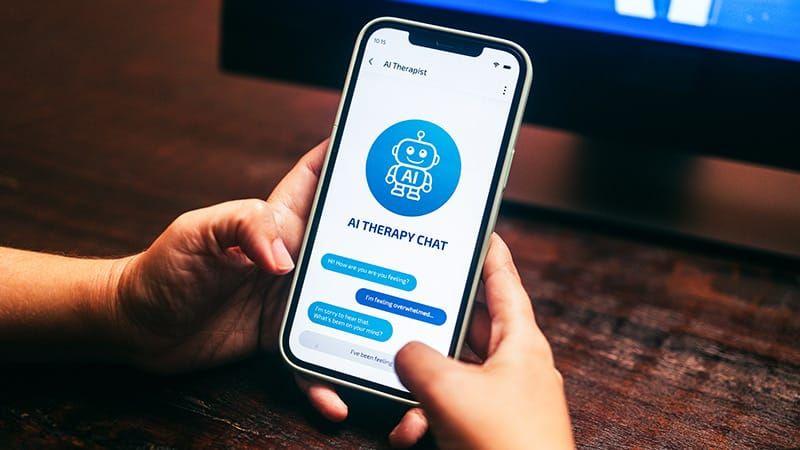
Scientists are developing 'digital twins' of human brains, which could revolutionize mental health prediction and cognitive decline prevention. This AI-driven technology aims to create personalized brain models for more effective and tailored healthcare interventions.

The Rise of Digital Twins in Healthcare
Digital twins, virtual replicas of real systems that mimic behavior and predict outcomes, are making waves in various industries, including healthcare. Now, this technology is being applied to one of the most complex organs in the human body: the brain. Scientists are developing 'digital brain twins' that could revolutionize how we approach mental health and cognitive care
1
.From Heart to Brain: Expanding Digital Twin Applications
The concept of digital twins has already shown promise in cardiology, where virtual heart models can simulate individual patient responses to treatments or conditions. This success has inspired researchers to apply similar principles to neuroscience and mental health
2
.The Cognitive Digital Twin Framework
A team of scientists from Duke University, Columbia University, Nebrija University, and CogniFit have developed a new framework for addressing mental and cognitive health through digital cognitive twins. These virtual representations integrate data from brain activity, behavioral patterns, daily habits, and emotional responses
1
.How Digital Brain Twins Work
Digital brain twins use artificial intelligence to create dynamic models that learn and update with each new interaction. By analyzing large volumes of data, these AI-driven systems can:
- Detect diseases earlier
- Better select patients for clinical trials
- Simulate individual disease progression
- Predict changes in memory or attention span
- Suggest personalized cognitive training activities
Leveraging Existing Technology
The power of digital brain twins lies in their ability to integrate data from devices many people already use, such as smartwatches, activity trackers, and sleep sensors. These devices provide continuous information about heart rate, sleep quality, activity levels, and stress, which can be fed into the digital twin in real-time
2
.Related Stories


Personalized Brain Training: Beyond Generic Exercises
Unlike current digital brain training games, which offer limited benefits, cognitive twins provide a dynamic ecosystem tailored to each individual. This personalized approach, overseen by health professionals and backed by scientific evidence, represents a paradigm shift from the 'one size fits all' model to truly personalized and preventive medicine
1
.Challenges and Considerations
While the potential benefits are significant, the development and implementation of digital brain twins face several challenges:
- Ensuring data privacy and security
- Maintaining transparency and ethical use of AI algorithms
- Addressing the digital divide that could exclude older adults or those with limited access to technology
Despite these challenges, recent research suggests that using technology can help prevent and delay both normal and pathological cognitive decline
2
.References
Summarized by

Navi
[1]
Related Stories
Recent Highlights
1
Microsoft and Nvidia Launch Surface Laptop Ultra: A $2,599 AI-Ready PC With RTX Spark Chip
Technology

2
Trump Consulted Grok AI Before Ordering Venezuela Invasion and Capture of Nicolás Maduro
Policy and Regulation

3
Scientists Build AI Model That Reconstructs Images From Brain Scans in Record Time
Science and Research

Recent Highlights
Today's Top Stories





Don’t drown in AI news. We cut through the noise - filtering, ranking and summarizing the most important AI news, breakthroughs and research daily. Follow topics that matter to you and stay ahead.


