DOJ Investigates Nvidia's $20B Groq Deal for Dodging Antitrust Review


7 Sources
[1]
Nvidia's Groq acquihire is on the DOJ's radar, but it's already too late
Nvidia spent a whopping $20 billion late last year to license Groq's AI accelerator tech and hire away key members of its engineering team in an everything-but-the-kitchen-sink deal. The acquihire technically left Groq's core inference-as-a-service business intact, but was clearly architected in
[2]
DOJ probes Nvidia's licensing deal with AI startup Groq, NYT reports
Sept 9 (Reuters) - The U.S. Justice Department is investigating whether Nvidia (NVDA.O), opens new tab tried to skirt antitrust scrutiny of the chipmaker's licensing deal last year with AI chip startup Groq, the New York Times reported on Wednesday, citing two people familiar with the
[3]
Justice Dept. Investigates Nvidia Deal With Groq
The Justice Department is examining whether the tech giant sought to sidestep antitrust scrutiny. The Justice Department is investigating whether Nvidia tried to skirt antitrust scrutiny of a deal it struck with the artificial intelligence chipmaker Groq last year, according to two people with
[4]
The Justice Department is investigating whether Nvidia structured its Groq deal to avoid antitrust review
The US Justice Department is examining whether Nvidia deliberately structured its licensing deal with inference chip designer Groq in a way that avoided antitrust review, according to a New York Times report. The Justice Department opened its inquiry shortly after the deal was announced in
[5]

Nvidia is reportedly being investigated by the DOJ over its biggest ever deal, a $20 billion non-exclusive agreement with Groq
Apparently the deal was structured to avoid the usual automatic scrutiny. At the back end of 2025, Nvidia secured its biggest ever deal, a $20 billion non-exclusive agreement with AI chip company Groq. Now, as reported by the New York Times, per "two people with knowledge of the inquiry", the
[6]

Nvidia licensing deal: DOJ probes Nvidia's licensing deal with AI startup Groq
Nvidia announced a $17 billion deal with Groq last year for a "non-exclusive license" to the startup's chip technology and hired several of its executives, including founder Jonathan Ross. The U.S. Justice Department is investigating whether Nvidia structured its licensing deal with AI chip
[7]

Justice Department probes Nvidia's Groq deal over antitrust concerns - NYT By Investing.com
Investing.com -- The U.S. Justice Department is investigating whether Nvidia's deal with artificial intelligence chipmaker Groq was structured to avoid antitrust scrutiny, The New York Times reported on Wednesday, citing two people familiar with the inquiry. The investigation began shortly after
Share
Copy Link
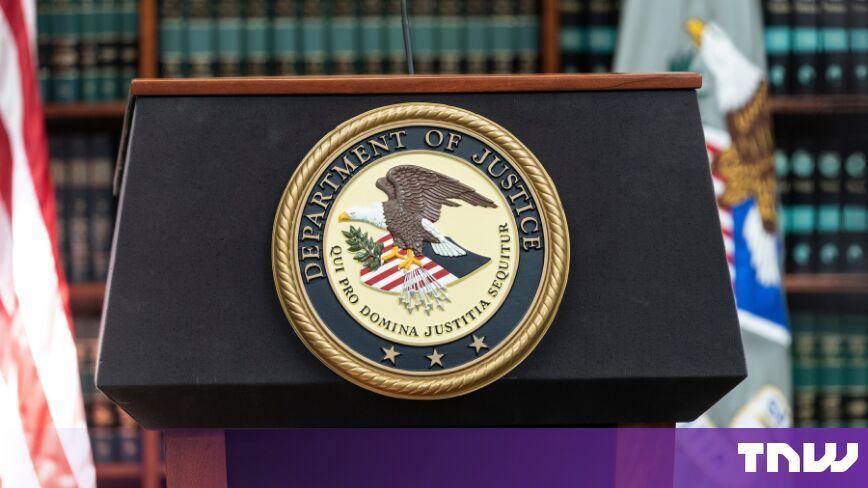
The Department of Justice launched an antitrust probe into Nvidia's $20 billion licensing agreement with AI chip startup Groq. Investigators are examining whether Nvidia deliberately structured the deal as a non-exclusive license and acquihire to avoid the regulatory scrutiny typically applied to mergers and acquisitions.
DOJ Probes Nvidia's Licensing Deal with AI Chipmaker Groq
The Department of Justice has opened an investigation into whether Nvidia deliberately structured its $20 billion licensing agreement with AI chipmaker Groq to circumvent antitrust scrutiny
1
3
. The inquiry, launched shortly after the deal's announcement in December, centers on whether the arrangement functioned as a de facto merger while avoiding automatic government reviews that typically accompany traditional mergers and acquisitions2
4
. The Justice Department has sent Nvidia a formal demand for information about the transaction, signaling the seriousness of the regulatory oversight3
.
Source: The Next Web
The Nvidia Groq deal gave the GPU giant a non-exclusive license to Groq's specialized AI inference chip technology while bringing key executives onboard, including founder Jonathan Ross and chief operating officer Sunny Madra
3
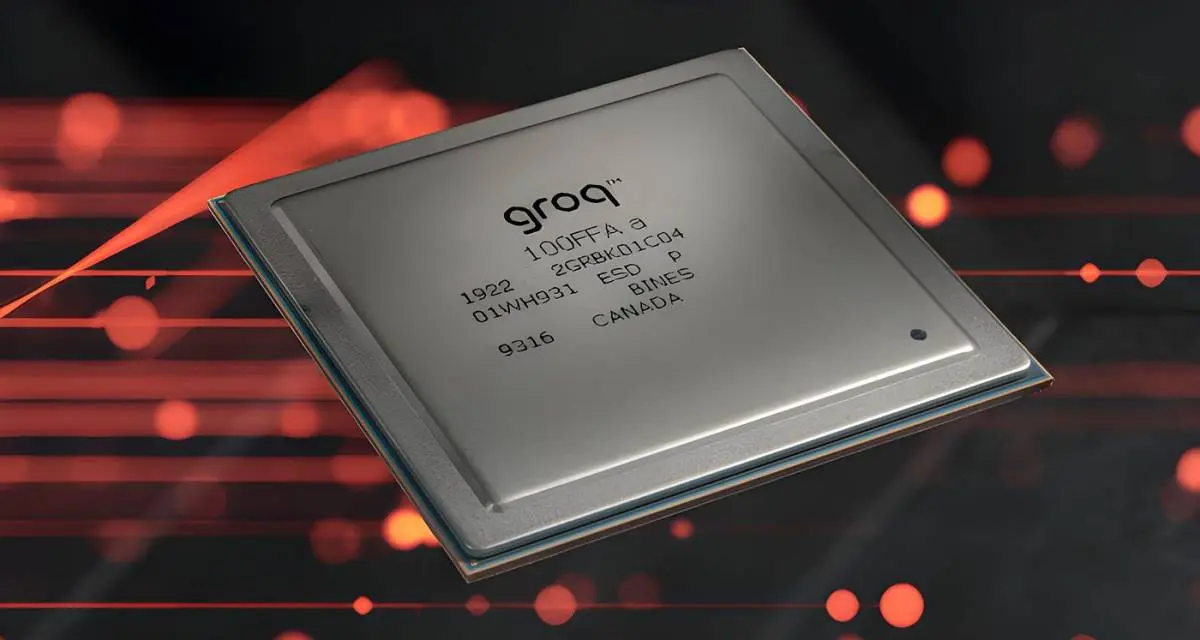
. This structure allowed Nvidia to gain access to critical technology and talent without triggering the merger review process that would normally apply to outright acquisitions. Groq had developed SRAM-heavy dataflow accelerators designed to deliver hundreds to thousands of tokens per second for LLM inference, addressing a key weakness in GPU-based systems1
.AI Chip Industry Consolidation Raises Regulatory Concerns
The investigation reflects growing concerns about AI industry deals that consolidate talent and resources without formal acquisitions. Senators Elizabeth Warren and Richard Blumenthal had previously called for the FTC and Justice Department to investigate such arrangements, arguing they "function as de facto mergers, allowing the companies to consolidate talent, information and resources, all while apparently attempting to bypass the scrutiny typically applied to mergers and acquisitions"
3
5
. The senators' concerns have materialized as regulatory agencies examine whether dominant companies are using licensing agreements to absorb competitors without formal oversight.Nvidia's response to the antitrust scrutiny emphasizes the deal's benefits for innovation. "The Groq story is a prime example of the American system working as designed to promote innovation, reward entrepreneurs and benefit consumers," an Nvidia spokesperson stated, adding that "the law is designed to encourage America's startup ecosystem and promote the fundamental rights of inventors and workers to pursue their dreams"
1
4
. However, this defense addresses the outcome rather than the central question of whether the structure itself was designed to avoid regulatory oversight4
.Market Dominance and Competitive Implications
The acquihire effectively stripped Groq of its engineering talent and technology leadership, leaving questions about the startup's competitive viability. Before the deal, Groq had raised funding at a $3.5 billion valuation and was considered one of the most credible independent challengers in AI inference silicon
4
. Following the licensing agreement with Groq, the company has been working to raise $650 million to rebuild around its remaining team and business operations4
. Groq announced in August it was raising $350 million in a funding round that Nvidia planned to participate in, demonstrating the complex relationship between the two companies3
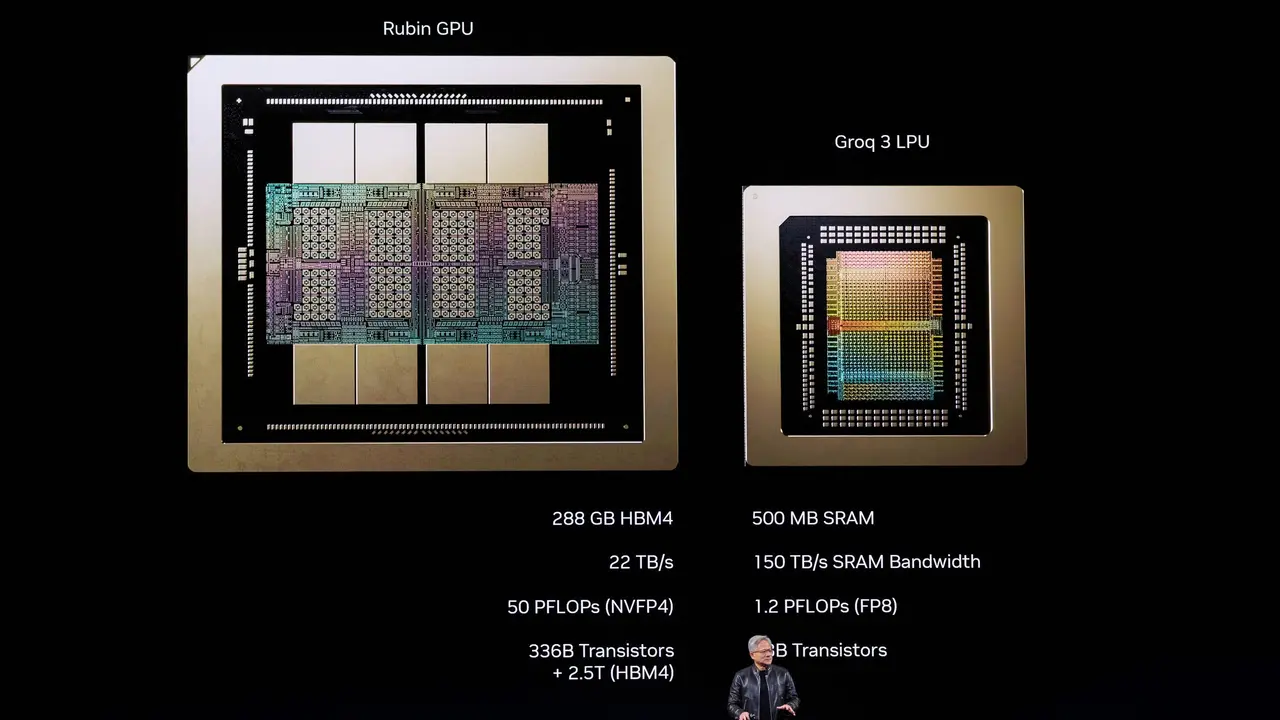
.At GTC in March, Nvidia unveiled its LPX racks powered by 256 Groq-3 accelerators, which are lightly modified versions of Groq's existing Groq-2 chip designs
1
. CEO Jensen Huang promised that Groq-3 combined with Nvidia's Vera Rubin GPU racks would deliver optimal performance across the entire spectrum of inference workloads. The rapid three-month timeline from deal announcement to product unveiling highlights how quickly Nvidia integrated Groq's technology into its ecosystem1
.
Source: NYT
Related Stories



Potential Outcomes and Broader Industry Impact
If the DOJ investigation finds wrongdoing, the agency may fine Nvidia but would probably not require the deal to be undone
2
3
. Sources familiar with the inquiry cautioned that no outcome has been determined and that the Justice Department might ultimately find no wrongdoing3
. However, even if regulators force Nvidia to unwind the arrangement, the damage may already be done, as Nvidia had been laying foundations for an ecosystem with its networking business at its center well before the Groq announcement1
.The investigation's significance extends beyond this single transaction. Nvidia has used similar structures in other deals, including a $6 billion arrangement with Poolside that involved licensing its model factory and hiring 109 staff members
4
. When the same pattern appears repeatedly, it becomes harder to treat each deal as an isolated commercial decision, making the pattern itself potentially more significant for antitrust scrutiny than any individual transaction4
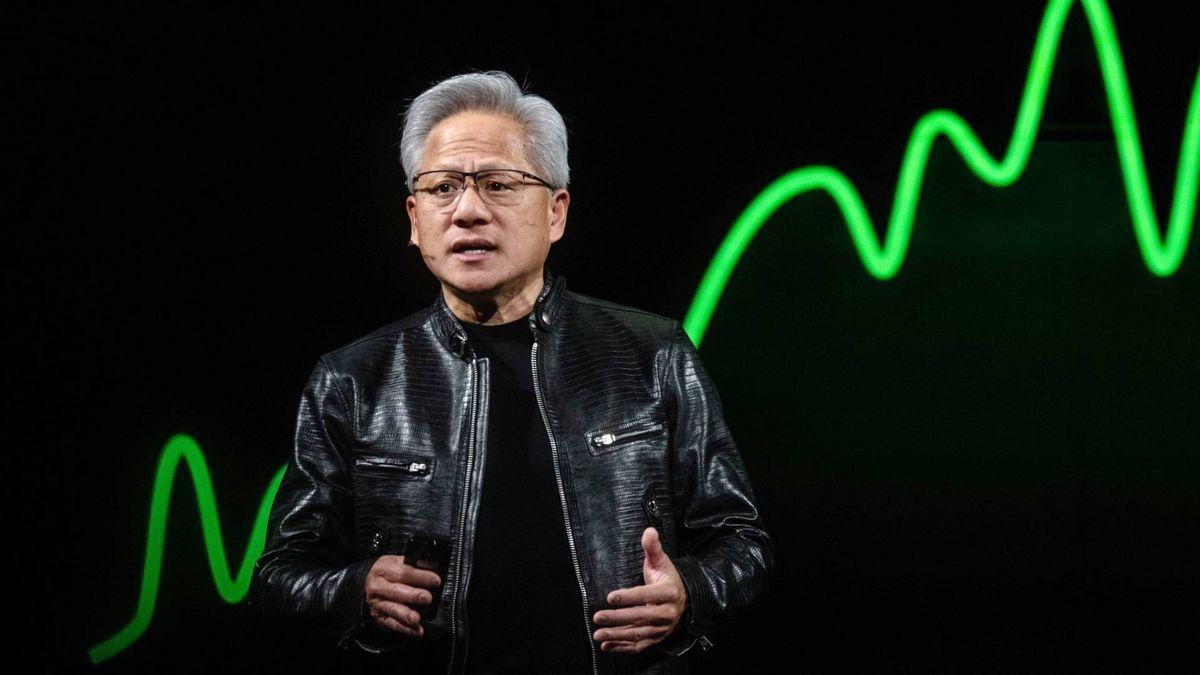
. The probe comes as Nvidia, with a market capitalization of $5.4 trillion, has effectively become Silicon Valley's central banker, using its vast financial resources to bolster AI startups and funnel money to customers3
.
Source: PC Gamer
For the broader AI chip industry, the investigation raises questions about how dominant suppliers can absorb challengers without formally acquiring them. European regulators may face similar challenges, as a technology license followed by recruitment doesn't obviously fall into existing concentration categories under EU merger review mechanisms
4
. The competitive landscape includes other disaggregated compute architectures from Cerebras with AWS and AMD, SambaNova with Intel, and d-Matrix combining in-memory compute platforms with Nvidia GPUs, suggesting alternatives exist even if the Groq deal proceeds1
.References
Summarized by

Navi
[4]
Related Stories
Recent Highlights



Recent Highlights
Today's Top Stories



Don’t drown in AI news. We cut through the noise - filtering, ranking and summarizing the most important AI news, breakthroughs and research daily. Follow topics that matter to you and stay ahead.


