Elizabeth Warren Calls for Immediate Pause on AI Development as Regulation Debate Intensifies


3 Sources
[1]
Exclusive: Warren backs pause on AI
Why it matters: The idea of slowing down AI development -- once considered a non-starter in a fierce race to beat China -- is gaining momentum. Driving the news: Warren on Wednesday will call for a pause on advanced AI development but will stop short of calling for a ban on superintelligence,
[2]
Elizabeth Warren Demands Congress Stop 'Drawn-Out Discussions' on AI and Pass 'Meaningful Regulations' to
Sen. Elizabeth Warren (D-Mass.) called on Congress to move beyond prolonged discussions about artificial intelligence and take concrete legislative action to regulate the technology and protect the public. Warren Calls for AI Regulation On Saturday, in a post on X, Warren said Congress should
[3]
Elizabeth Warren Wants Lawmakers to Decide Future of AI, Gets Told by Anthony Pompliano: Time to 'Press P
On Wednesday, Anthony Pompliano pushed back against Sen. Elizabeth Warren's (D-Mass.) call for an immediate pause on advanced AI development. Pompliano Pushes Back on Warren's AI Pause Pompliano, CEO of Professional Capital Management, responded to Warren's post on X, saying, "Today, I am calling
Share
Copy Link
Sen. Elizabeth Warren is calling for an immediate pause on advanced AI development while lawmakers establish safety guardrails. Her stance breaks with Bernie Sanders' proposal for a ban on superintelligent AI and faces pushback from free market advocates and the Trump administration, which rejects slowing AI progress in the race against China.
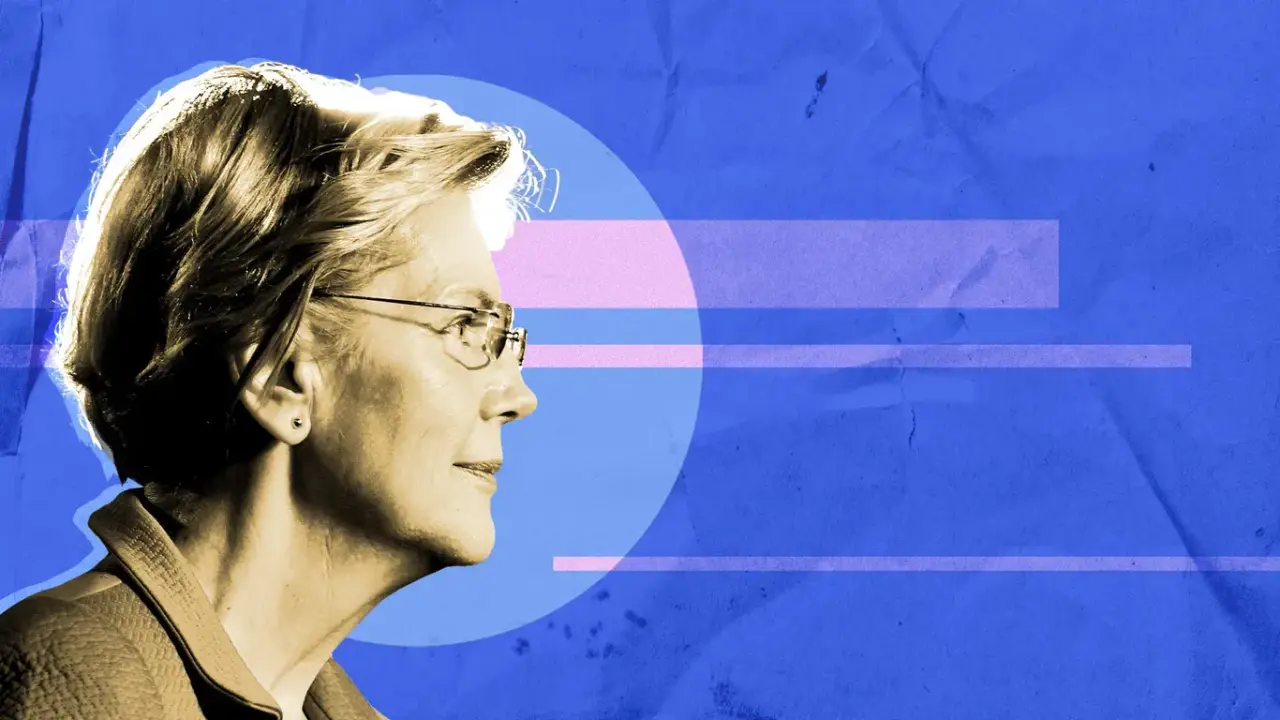
Elizabeth Warren Demands Immediate Pause on AI Development
Sen. Elizabeth Warren is pushing for an immediate pause on the development of advanced AI while lawmakers and regulators establish comprehensive safety systems
1
. Speaking ahead of a roundtable hosted by Bernie Sanders, Warren declared that Congress must urgently pass legislation to put stronger AI guardrails in place before facing a cyberattack, economic crisis, or national security disaster facilitated by AI1
. The Massachusetts senator's position marks a shift in political discourse around AI regulation, as the idea of slowing down AI development gains momentum despite concerns about losing ground to China1
.Warren has been vocal about moving beyond prolonged discussions. In a post on X, she stated that Congress cannot meet the pressing threat of AI by forming another committee or continuing drawn-out discussions
2
. She urged lawmakers to pass meaningful AI regulations to protect people rather than relying on voluntary industry efforts2
.Warren's Stance Differs from Sanders' Superintelligence Ban
While Warren calls for a pause on advanced AI, she stops short of endorsing Bernie Sanders' more aggressive proposal
1
. Sanders and Rep. Greg Casar introduced the Ban Artificial Superintelligence Act, which would permanently prohibit the development and deployment of superintelligent AI and temporarily pause the development of advanced AI until federal safety rules are in place3
. The Sanders proposal threatens up to 20 years in prison for violations, similar to penalties for illegally developing nuclear weapons1
.The divergence highlights how even progressive lawmakers lack a unified position on AI regulation details
1
. Warren and Sanders have also released AI tax plans with varying approaches, with Warren proposing to tax AI companies while Sanders wants the government to take equity stakes in them1
.Lawmakers to Decide Future of AI, Not CEOs
Warren argues that the future of artificial intelligence must be decided by the American people through their democratically elected representatives in government, not by a handful of CEOs and billionaire corporations
3
. She criticized the industry's push to "pace the frontier" as insufficient and called proposals to weaken antitrust protections transparently self-serving1
.Anthropics CEO Dario Amodei has called for an exemption in antitrust law to help coordinate AI pacing, a position endorsed by OpenAI CEO Sam Altman and Elon Musk
1
3
. However, former antitrust government officials say such exemptions would not be necessary because the law does not prevent AI companies from coordinating to prevent harm and sharing legitimate cybersecurity information1
.Free Market Advocates Push Back Against Regulation
Anthony Pompliano, CEO of Professional Capital Management, pushed back against Warren's call for a pause on advanced AI development. Responding to Warren's post on X, Pompliano said he was calling to immediately press pause on politicians interfering in the free market
3
. The clash underscores the tension between those advocating for government oversight and those favoring market-driven innovation.Broader Congressional Debate on AI Safety Measures
Warren's call is part of a broader congressional debate on AI safety. Rep. Ro Khanna urged Congress to accelerate AI regulation, calling for tougher penalties, a federal AI agency, mandatory insurance, and strict liability for harmful AI models
2
. House Speaker Mike Johnson called for AI guardrails and safety measures while arguing that the U.S. must preserve its technological advantage over China2
. Sen. Chris Murphy warned that rapidly advancing AI could create economic and national-security risks, arguing that AI companies cannot be relied upon to protect the public2
.Related Stories

Trump Administration Rejects AI Pause
President Donald Trump flatly rejects the idea of pausing AI development
1
. Trump announced plans to appoint a new AI adviser and establish an "AI force," though he provided no details on their structure or timing2
. The president has argued that the U.S. needs to maintain its AI lead over China and warned that excessive regulation could undermine U.S. leadership over China3
. This appointment would mark his second AI czar, following venture capitalist David Sacks' departure from the role2
.Growing Democratic Support for Slowing AI
More Democrats with national profiles are weighing in on the pause debate. Former Vice President Kamala Harris endorsed slowing down and called on President Trump to pursue a treaty with China
1
. Former President Barack Obama also backed the idea of slowing down as a good first step1
. However, there remains little agreement among Democrats on what specific government action should be taken1
.References
Summarized by

Navi
[1]
[2]
Related Stories
Bernie Sanders Calls for AI Development Pause, Warns Tech Giants of Senate Action Over Safety Concerns
10 Aug 2026•Policy and Regulation

Elizabeth Warren accuses AI firms of using trade accord to dodge regulatory oversight
23 Jul 2026•Policy and Regulation
Elizabeth Warren warns AI bubble could trigger financial crisis like 2008
23 Apr 2026•Policy and Regulation

Recent Highlights



Recent Highlights
Today's Top Stories






Don’t drown in AI news. We cut through the noise - filtering, ranking and summarizing the most important AI news, breakthroughs and research daily. Follow topics that matter to you and stay ahead.


