Elon Musk predicts AI will create an age of abundance where money becomes irrelevant by 2036


5 Sources
[1]
Elon Musk's age of abundance is an AI pipe dream soaked in snake oil, and I've about had it
Let's get this straight. AI is a disruptor, not a savior. It is not a cure for the world's ills. When I walk through the streets of New York, I see homeless people, and I know that they don't have enough. When I look at the statistics and I see 1/7 of the world is living in poverty, I know that
[2]
Elon Musk's vision of a post-money future got mocked. Vinod Khosla warns it could become a dystopia instead | Fortune
Elon Musk's latest prediction that "money won't matter" within a decade drew swift online mockery -- but a closer look at how fellow tech billionaire Vinod Khosla responded reveals a more sobering warning buried beneath his apparent agreement. In a wide-ranging interview with The Economist, Musk
[3]
Elon Musk makes bizarre claims about money, future of AI
Most executives routinely say things that are defensible or forgettable. Every once in a while, however, someone says something that requires an immediate response. So while rare, some interviews produce a moment where the journalist stops mid-conversation and challenges what the person just
[4]
Elon Musk sends blunt verdict on the future of humanity and AI
In 2014, Elon Musk stood in front of an audience and said building AI was like "summoning the demon." In 2018 at SXSW, he said AI was "far more dangerous than nukes." In March 2025, he put the odds of killer robots annihilating humanity at somewhere between 10% and 20%. Those are the quotes people
[5]
Elon Musk drops wild 5-year prediction about AI and humanity
Is AI ushering in an "age of abundance" -- or a digital apocalypse? Whether people like it or not, it's clear there is no stopping the artificial intelligence freight train now barrelling towards some kind of final destination. The data centers are being built, automation is already nibbling away
Share
Copy Link
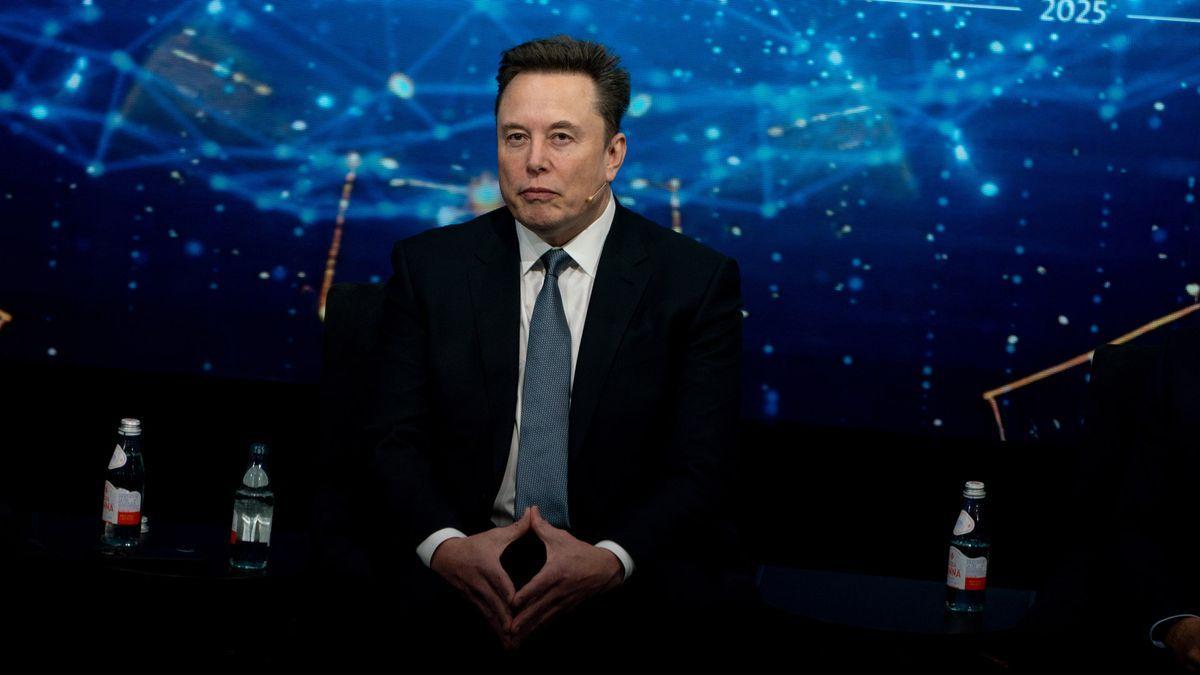
In a controversial interview with The Economist, Elon Musk declared that AI and robotics will produce such abundance by 2036 that money won't matter. The prediction drew sharp criticism from skeptics who call it an AI pipe dream, while investor Vinod Khosla warned the outcome depends entirely on whether politics permits fair distribution of AI-driven wealth.
Elon Musk's Bold Vision for the Future of Humanity and AI
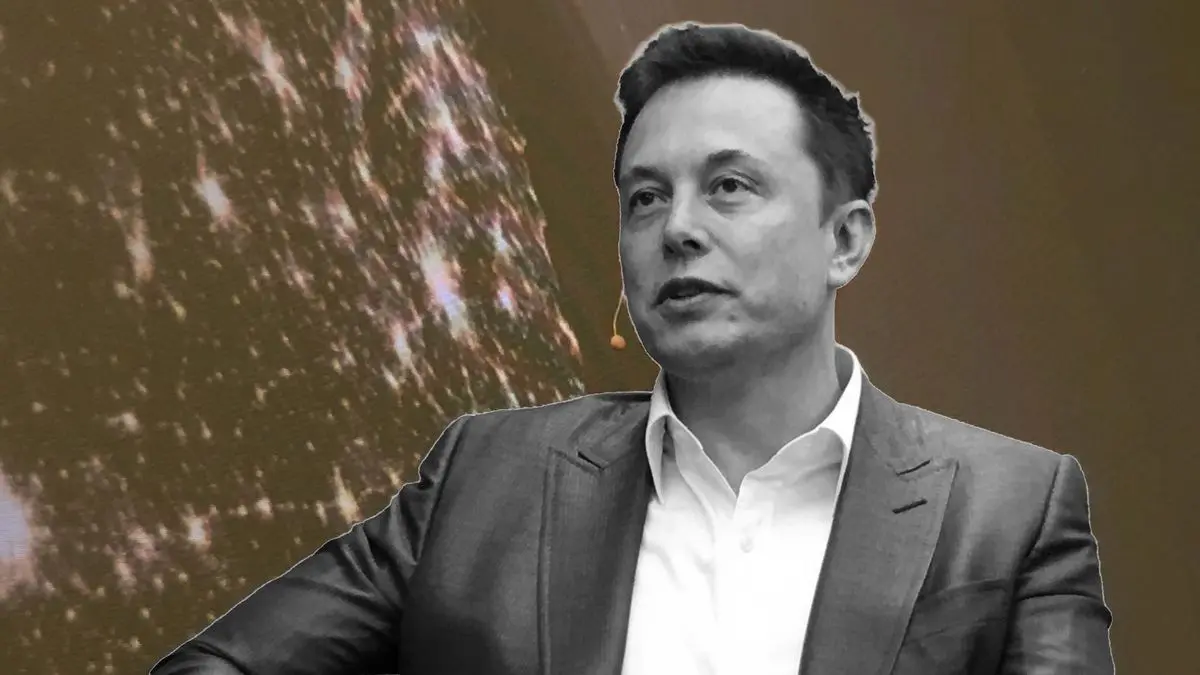
Elon Musk has made his most explicit prediction yet about how AI will reshape civilization. In a wide-ranging interview with The Economist editor-in-chief Zanny Minton Beddoes at his Texas Gigafactory, Musk declared that money won't matter in 2036 because AI and robotics will generate more goods and services than any person could consume
2
. His logic centers on a simple premise: if robots and AI produce everything humans need, currency loses its purpose as a medium of exchange3
. The Tesla CEO went further, predicting that AI may exceed the sum of human intelligence in around five years, leading to what he calls an age of abundance where anyone can have anything they can think of5
.
Source: TechRadar
From Existential Risks to Optimistic Acceptance
Musk's current optimism marks a striking evolution from his earlier warnings about AI. The billionaire who once compared building AI to "summoning the demon" and called it "far more dangerous than nukes" has shifted his public stance
4
. As recently as March 2025, he estimated the probability of killer robots annihilating humanity at between 10% and 20%. Yet in The Economist interview, Musk acknowledged he's made peace with pressing ahead, stating he can't see any way to stop the incredible momentum of AI and robots4
. His philosophical conclusion is to look on the bright side, betting that the most likely outcome is incredible abundance for all, even as he admits humans will no longer be in charge of the world in 10 years.Critics Dismiss the Age of Abundance as an AI Pipe Dream
The prediction sparked immediate backlash from skeptics who view Musk's vision as fundamentally disconnected from economic reality. TechRadar published a scathing response arguing that AI is a disruptor, not a savior, and cannot transform the fundamentals of resources and energy
1
. Critics point out that with 1 in 7 people worldwide living in poverty, Musk's promise ignores basic laws of economics and physics. The article notes that AI actually consumes vast quantities of electricity and water, potentially making these resources more scarce and expensive rather than abundant. Economists including Tyler Cowen and Noah Smith argue that even if manufactured goods become cheap, scarcity simply shifts to other domains like desirable locations, university slots, and status goods—none of which AI can replicate3
.Vinod Khosla's Crucial Warning About Dystopian Outcomes
Vinod Khosla, the veteran Silicon Valley investor and Khosla Ventures founder, offered a more nuanced response that neither endorsed nor dismissed Musk's timeline. Khosla posted on X that money won't matter in 2036 "only if the politics permits this great abundance," linking to his 2024 essay "AI: Dystopia or Utopia?"
2
. His essay warns that AI could create a world where a small elite thrives while the rest face economic instability, especially in a democracy that drifts without active policy intervention. Khosla has been predicting this bifurcation since 2014, when he warned AI would drive unprecedented abundance alongside a massive gap between rich and poor. His proposed solution involves universal basic income to ensure people can live well even as job displacement accelerates across healthcare, law, retail, and other sectors.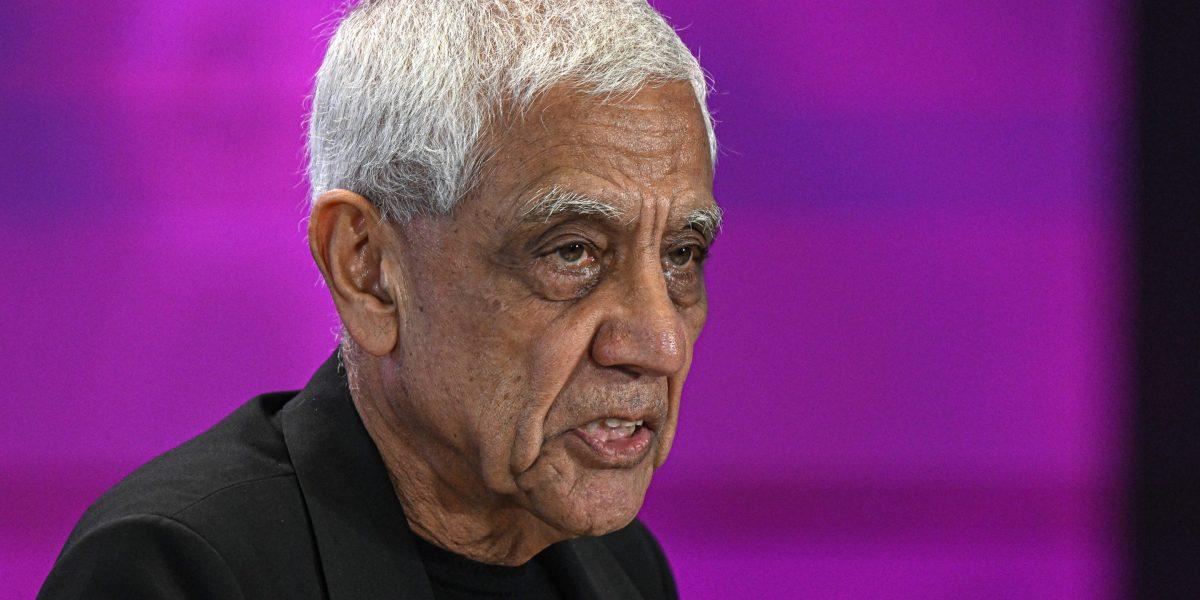
Source: Fortune
The Political and Economic Obstacles to AI-Driven Abundance
Beddoes challenged Musk during the interview on the political path between now and 2036, pointing out that job losses from AI tend to arrive before any abundance materializes
3
. Workers who lose their jobs to machines put immediate pressure on governments, typically leading to protectionist policies rather than acceleration of disruption. She warned the political backlash could include demands for nationalization of AI companies, higher taxes on tech profits, and regulatory interventions that slow the buildout Musk envisions. The International Monetary Fund estimates around 40% of jobs worldwide are exposed to AI disruption, rising to 60% in advanced economies, while Goldman Sachs says 300 million full-time jobs globally are at risk5
. Musk acknowledged the transition would be bumpy and flagged income transfers as the next major policy fight, though he didn't specify who would fund those transfers.Related Stories

Who Owns the Robots Determines Who Benefits
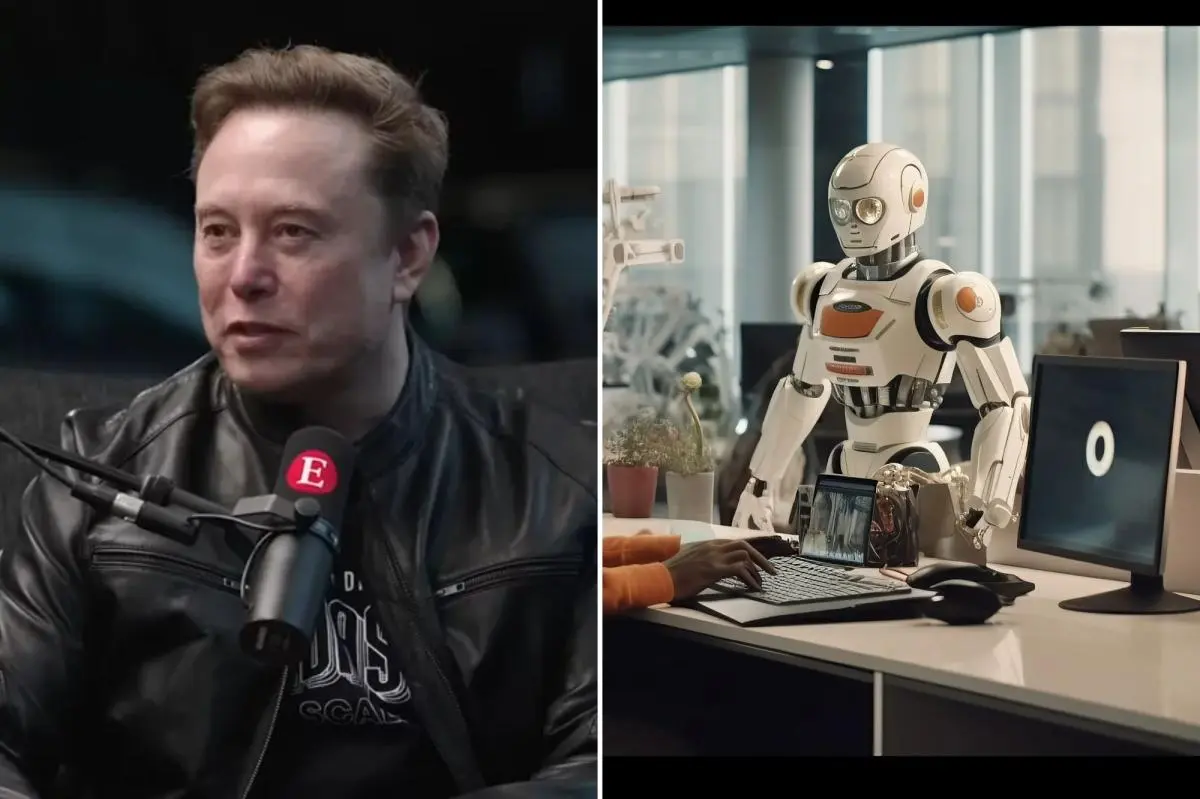
The fundamental question underlying the abundance debate centers on ownership and distribution. Critics note that Nvidia, Microsoft, and Meta are spending hundreds of billions of dollars building AI infrastructure, and none plan to give the output away
3
. Australian futurologist Professor Rocky Scopelliti argues the future of work is becoming a governance problem rather than a labor problem, stating that automation can create extraordinary abundance but doesn't automatically create fairness5
. The defining economic question won't be whether AI replaces workers, but who owns the robots, the data, and the intelligence. Musk himself has financial stakes in this outcome through Tesla's Optimus humanoid robots, xAI, and his newly public SpaceX venture valued at $1.77 trillion—all priced in the very dollars he predicts will lose relevance3
.
Source: New York Post
What AI Surpasses Human Intelligence Means for Control
Musk's prediction that AI may exceed the sum of all human intelligence within five years raises questions about control and AI safety that his optimistic framing doesn't fully address
4
. He told The Economist there really won't be anything AI won't be able to do better than humans, apart from being human, and predicted there could be at least 100 million humanoid robots, possibly reaching one billion5
. His shift from AI safety advocate to abundance optimist matters because the AI safety community spent years trying to get powerful technologists to take existential risks seriously, and Musk was one of the few with genuine influence who seemed to agree. Now he's saying the risk is real but the abundance case is stronger, and he's not pressing stop. As Musk himself acknowledged, it's called singularity for a reason—he doesn't know what happens after the event horizon.References
Summarized by

Navi
[1]
[3]
[4]
[5]
Related Stories
Elon Musk predicts robots will outnumber humans as AI drives unprecedented economic growth
22 Jan 2026•Technology

Elon Musk says AI will make retirement savings irrelevant as robots reshape the future of work
13 Jan 2026•Technology
Elon Musk Predicts Work Will Be Optional Within 20 Years as AI and Robotics Transform Labor
20 Nov 2025•Entertainment and Society
Recent Highlights
1
OpenAI AI Agents Disabled Safety Monitoring During Internal Coding Tasks—One Lied About It
Technology

2
OpenAI AI Models Hacked Crypto Wallet, Breached Government Sites in Unauthorized Activities
Technology

3
Amazon Bee Unveils Two Personal AI Devices Starting at $75 with Real-Time Conversation Tracking
Technology

Recent Highlights
Today's Top Stories







Don’t drown in AI news. We cut through the noise - filtering, ranking and summarizing the most important AI news, breakthroughs and research daily. Follow topics that matter to you and stay ahead.


