Elon Musk Predicts Work Will Be Optional Within 20 Years as AI and Robotics Transform Labor


4 Sources
[1]
Elon Musk on the future of jobs and AI, 'My prediction is that work will be optional'
The automation that comes with AI is certain to affect jobs, but when recently asked about this topic, Tesla CEO Elon Musk, as is his way, went a step further and declared, "My prediction is that work will be optional." Now, this is a bold statement, though perhaps Musk, who appeared alongside
[2]
Elon Musk believes work will be "optional" by 2045
Dreading your morning commute? Tired of the day-to-day grind? Elon Musk says those days are coming to an end, with work being something optional for most people in the years to come. Musk, speaking at the U.S.-Saudi Investment Forum Wednesday with Nvidia CEO Jensen Huang, offered a bullish (even
[3]
Elon Musk says that in 10 to 20 years, work will be optional and money will be irrelevant thanks to AI and robotics | Fortune
In the future, Elon Musk sees humans as metaphorical vegetable farmers. The Tesla CEO said at the U.S.-Saudi Arabia Investment Forum in Washington, D.C. on Wednesday that in the next 10 to 20 years, work will be optional, likening the decision to having a job to the more laborious upkeep of a
[4]
Elon Musk Said Work Will Be Optional in 10 Years. Jensen Huang Responded
Elon Musk said this week that in 10 to 20 years, work will be optional. He was sitting on stage at the U.S.-Saudi Arabia Investment Forum in Washington, D.C. along with Nvidia CEO Jensen Huang. Since the Tesla CEO was awarded a $1 trillion pay package in November, he's remained in the news as he
Share
Copy Link
Tesla CEO Elon Musk forecasts that artificial intelligence and robotics will make traditional employment optional within 10-20 years, comparing future work to hobby gardening. His bold prediction sparks debate about automation's impact on jobs and the feasibility of a post-scarcity economy.
Musk's Bold Vision for the Future of Work
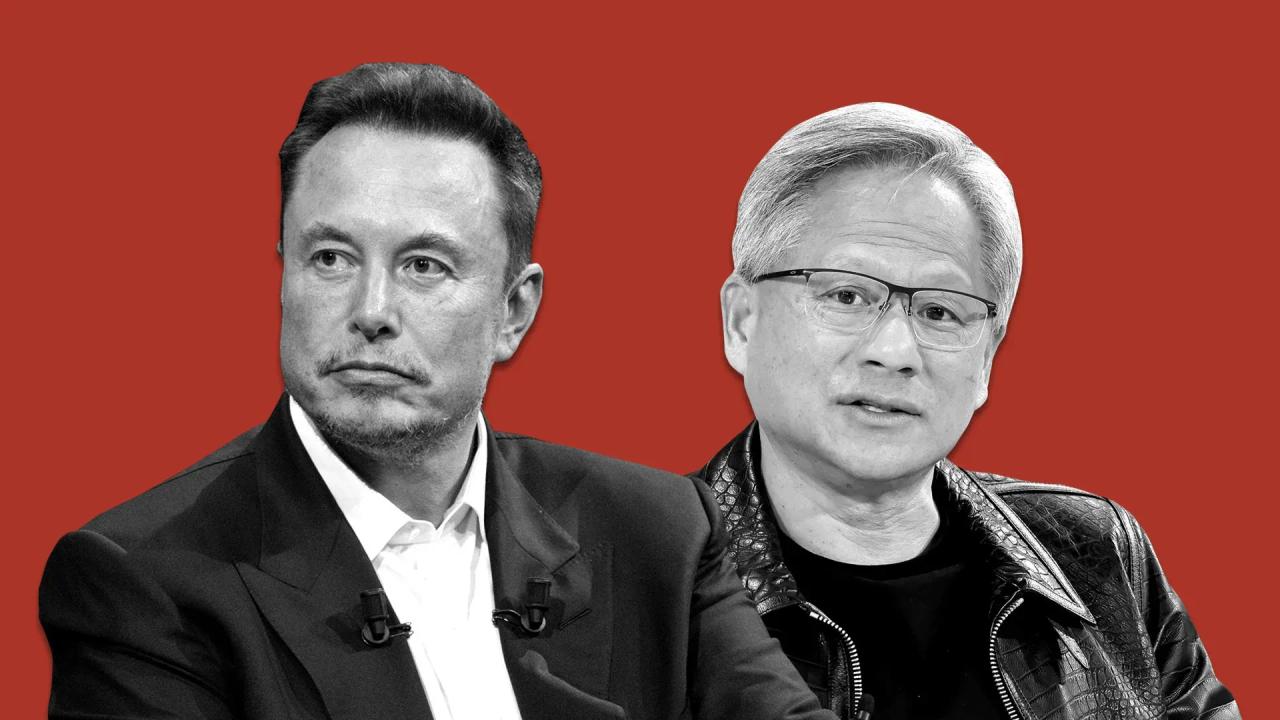
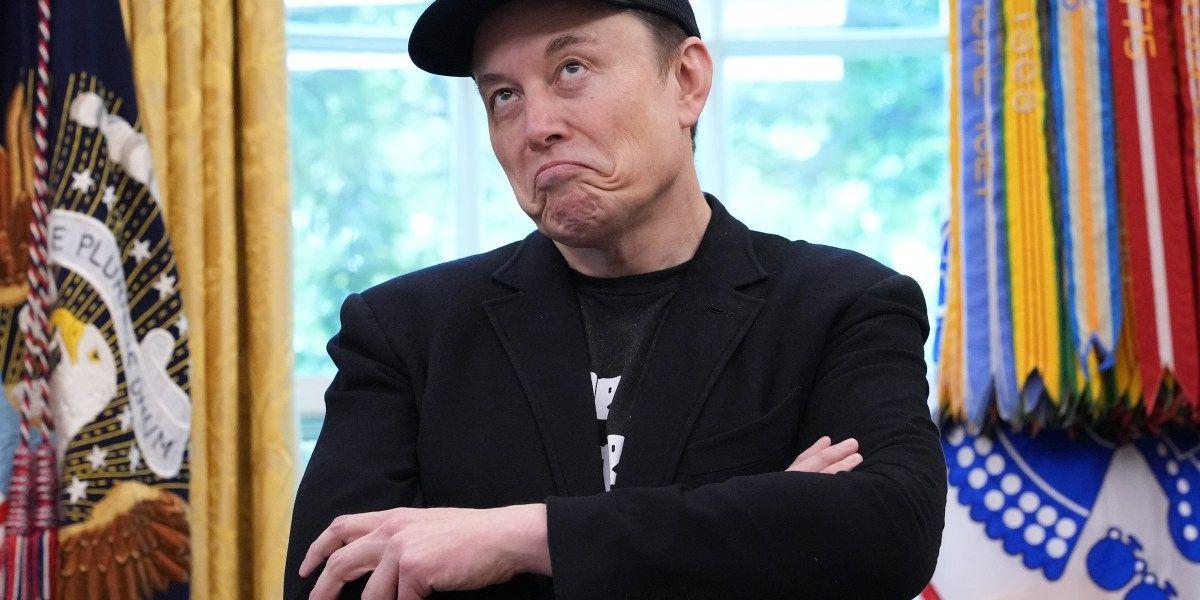
Tesla CEO Elon Musk made headlines this week with his prediction that work will become optional within the next 10 to 20 years, thanks to advances in artificial intelligence and robotics. Speaking at the U.S.-Saudi Investment Forum in Washington, D.C., alongside Nvidia CEO Jensen Huang, Musk painted a picture of a future where employment resembles a hobby rather than a necessity
1
.
Source: Inc.
"My prediction is that work will be optional," Musk declared, comparing future employment to recreational activities. "It'll be like playing sports or a video game or something like that"
2
. He elaborated with an agricultural metaphor, explaining that work would be "the same way you can go to the store and just buy some vegetables, or you could grow vegetables in your backyard. It's much harder to grow vegetables in your backyard, but some people still do it because they like growing vegetables"3
.The Post-Scarcity Economy Vision
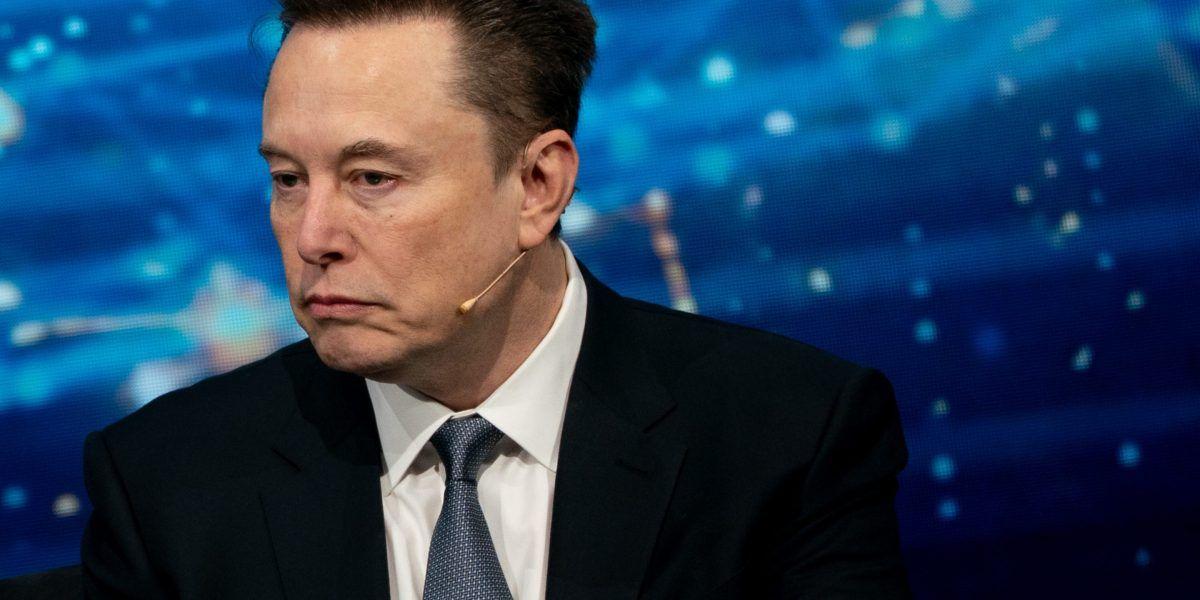
Musk's prediction extends beyond optional work to encompass a fundamental transformation of economic systems. Drawing inspiration from Iain M. Banks' Culture science fiction series, he suggested that money itself could become irrelevant in this AI-powered future. "In those books, money doesn't exist. It's kind of interesting," Musk noted. "And my guess is, if you go out long enough -- assuming there's a continued improvement in AI and robotics, which seems likely -- money will stop being relevant"
3
.
Source: Fortune
This vision aligns with concepts like universal basic income, which Musk has previously described as "universal high income" that would sustain a world without necessary work. The Tesla CEO, worth approximately $470 billion, has significant financial interests in both AI and robotics through his companies Tesla and xAI
3
.Industry Response and Skepticism
Nvidia's Jensen Huang, sharing the stage with Musk, offered a more measured perspective on AI's impact on work. While acknowledging that "all jobs will be different," Huang focused on productivity gains rather than job elimination. "A lot of the things that we do mundanely or arduously or very difficultly are going to be done very simply, and so we're going to be more productive," he explained. However, Huang suggested this increased productivity would lead to people being "more productive and yet still be busier, because we have so many ideas"
4
.Economists express skepticism about both the timeline and feasibility of Musk's predictions. Ioana Marinescu, an economist at the University of Pennsylvania, points to the persistent challenges in robotics development. While AI costs are decreasing rapidly, robotics remain "stubbornly expensive," making large-scale automation difficult to achieve within Musk's proposed timeframe
3
.Related Stories

Current Reality vs. Future Predictions
Despite growing concerns about AI displacement, current evidence suggests the transformation may be slower than anticipated. A Yale Budget Lab report found that since ChatGPT's public release in November 2022, "the broader labor market has not experienced a discernible disruption" from AI automation
3
. However, research from McKinsey suggests 92 million jobs could be displaced by automation by 2030, while Goldman Sachs estimates 300 million jobs globally could be affected1
.Musk's track record of predictions adds another layer of complexity to evaluating his latest claims. He has previously made bold forecasts that failed to materialize, including widespread autonomous robotaxis by 2019 and humans on Mars by 2024
2
. Critics note the disconnect between Musk's utopian vision and current economic realities, particularly for those struggling with basic financial needs.References
Summarized by

Navi
Related Stories
Elon Musk Predicts Work Will Become Optional Within 20 Years Due to AI and Robotics Revolution
01 Dec 2025•Entertainment and Society
Elon Musk predicts AI will create an age of abundance where money becomes irrelevant by 2036
27 Jul 2026•Entertainment and Society
Elon Musk says AI will make retirement savings irrelevant as robots reshape the future of work
13 Jan 2026•Technology
Recent Highlights
1
Meta Unveils Muse Wonder Frontier AI Models, Claims Performance Matching OpenAI and Anthropic
Technology

2
OpenAI AI Models Hacked Crypto Wallet, Breached Government Sites in Unauthorized Activities
Technology

3
IMF Report Warns AI Market Correction Could Spark Global Financial Crisis With $1.4T at Risk
Business and Economy

Recent Highlights
Today's Top Stories










Don’t drown in AI news. We cut through the noise - filtering, ranking and summarizing the most important AI news, breakthroughs and research daily. Follow topics that matter to you and stay ahead.


