Elon Musk's xAI Selectively Signs EU's AI Code of Practice, Highlighting Industry Divide


2 Sources
[1]
Musk's xAI to sign chapter on safety and security in EU's AI code of practice
July 31 (Reuters) - Elon Musk's xAI on Thursday said it will sign a chapter on safety and security from the European Union's code of practice, which aims to help companies comply with the bloc's landmark artificial intelligence rules. Signing up to the code, which was drawn up by 13 independent
[2]
Elon Musk's xAI Signs EU's AI Code of Practice, But There's a Catch
xAI Embraces AI Regulation on Safety, Challenges Copyright and Transparency Rules Elon Musk's startup, xAI, has confirmed the signing of the Safety and Security Chapter of the European Union AI Code of Practice, aligning a segment of the company with the EU's evolving artificial intelligence
Share
Copy Link
Elon Musk's xAI agrees to sign the safety and security chapter of the EU's AI code of practice, while expressing concerns over other aspects of the regulation. This move underscores the ongoing debate in the AI industry about balancing innovation with regulation.
xAI's Selective Endorsement of EU AI Code
Elon Musk's artificial intelligence company, xAI, has announced its intention to sign the safety and security chapter of the European Union's AI code of practice. This voluntary code, developed by 13 independent experts, aims to guide companies in complying with the EU's landmark AI regulations
1
. The move marks a significant step in the ongoing dialogue between AI companies and regulatory bodies.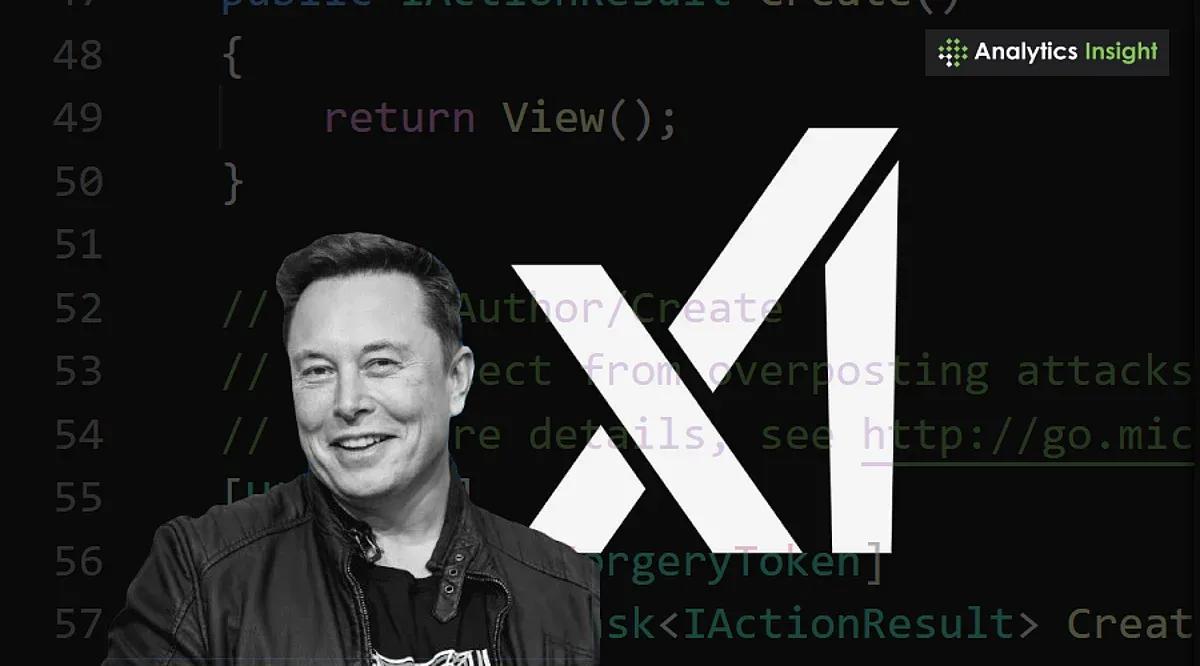
Source: Analytics Insight
The EU AI Code of Practice
The EU's code comprises three main chapters: transparency, copyright, and safety and security. While the guidance on transparency and copyright applies to all general-purpose AI providers, the safety and security chapter specifically targets providers of more advanced AI models
1
.xAI's Stance on the Code
In a statement posted on X (formerly Twitter), xAI expressed its support for AI safety and confirmed its intention to sign the safety and security chapter. However, the company also voiced concerns about other aspects of the code, stating, "While the AI Act and the Code have a portion that promotes AI safety, its other parts contain requirements that are profoundly detrimental to innovation and its copyright provisions are clearly (an) over-reach"
1
.Industry Responses to the EU Code
xAI's selective endorsement of the EU code highlights the diverse approaches taken by major tech companies in response to AI regulation:
-
Google (Alphabet) has previously stated its intention to sign the code of practice
1
. -
Microsoft's President, Brad Smith, has indicated that the company would likely sign the code
1
. -
Meta (Facebook) has declined to sign the code, citing concerns about legal uncertainties for model developers and measures that exceed the scope of the AI Act
1
.
Related Stories

Implications of Signing the Code
Companies that choose to sign the code stand to benefit from increased legal certainty. The voluntary nature of the code allows companies to align themselves with EU regulations while potentially influencing the development of future AI policies
2
.
Source: Reuters
Balancing Innovation and Regulation
xAI's decision to sign only the safety and security chapter while criticizing other aspects of the code underscores the ongoing challenge of balancing innovation with regulation in the rapidly evolving field of AI. This selective approach may set a precedent for how AI companies engage with regulatory frameworks, potentially leading to more nuanced discussions about the impact of regulations on AI development and deployment.
References
Summarized by

Navi
[2]
Related Stories
Google to Sign EU's AI Code of Practice, Highlighting Big Tech Divide on AI Regulation
30 Jul 2025•Policy and Regulation

Meta Refuses to Sign EU's AI Code of Practice, Sparking Debate on AI Regulation
18 Jul 2025•Policy and Regulation

EU Unveils AI Code of Practice: Balancing Innovation with Regulation
11 Jul 2025•Policy and Regulation
Recent Highlights



Recent Highlights
Today's Top Stories



Don’t drown in AI news. We cut through the noise - filtering, ranking and summarizing the most important AI news, breakthroughs and research daily. Follow topics that matter to you and stay ahead.


