Eternal Unveils Dark.ai: End-to-End Encrypted AI Chatbot Launching Globally in 2026


5 Sources
[1]
Deepinder Goyal Teases Dark.ai, a Privacy-Focused AI Platform
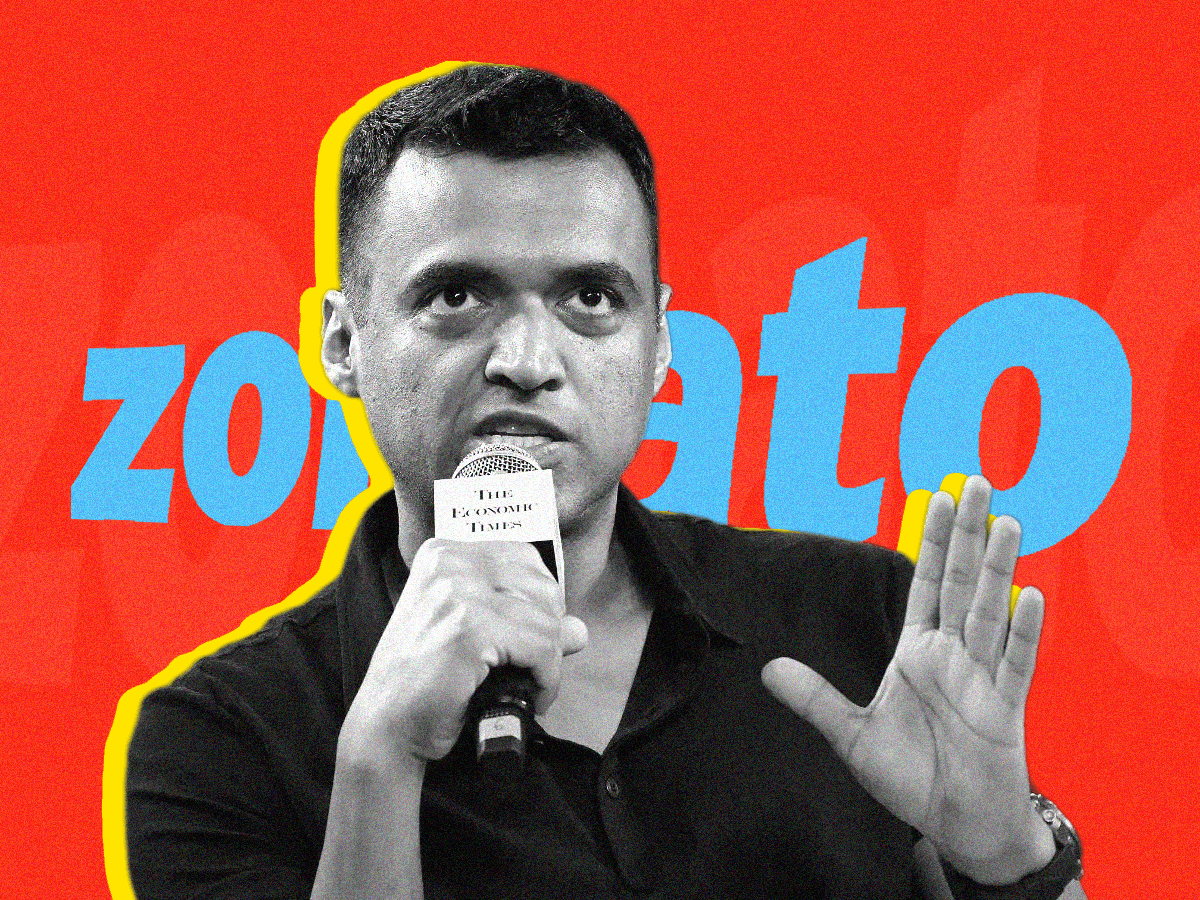
Deepinder Goyal, founder of Eternal, has teased Dark.ai, a new AI platform focused on private conversations, with a global launch planned for 2026. "Dark.ai - from the house of Eternal. Coming soon," Goyal wrote in a post on X. According to Eternal's Q2 FY27 shareholders' letter, Dark is built
[2]
Dark Matter: Eternal's chatbot will keep user conversations private even from the company -- Deepinder Goyal
The new AI assistant Eternal is building will keep user conversations private even from its makers. Founder Deepinder Goyal said Dark, a product the Zomato and Blinkit parent announced earlier today, uses end-to-end encryption, and that Eternal would not be able to access user chats "even if we are
[3]
Eternal Unveils Privacy-Focused AI Platform Dark, Eyes Global Launch In 2026
Zomato and Blinkit parent Eternal has unveiled Dark, a privacy-focused AI platform that founder Deepinder Goyal hopes to launch globally within 2026. In Eternal's Q2 FY27 shareholder letter, Goyal said the platform is aimed at power users, including founders, researchers, scientists, enterprises,
[4]
Dark.ai: Eternal's Deepinder Goyal teases new AI product, Dark.ai
The company is expected to announce the product later on Wednesday, alongside its September-quarter earnings. Details about Dark.ai, including its intended use cases and target customers, remain unclear. Deepinder Goyal, founder of Zomato and vice chairman of its parent company Eternal, has teased
[5]
Deepinder Goyal announces Dark.ai: All you should know about Eternal's upcoming AI bot
Dark.ai will offer encrypted chats and user-controlled memory. Eternal founder Deepinder Goyal has unveiled Dark.ai, a new AI chatbot built around the promise of keeping user conversations private. The new AI chatbot was announced during the Q2 FY27 shareholder letter. According to the reports,
Share
Copy Link
Eternal founder Deepinder Goyal has announced Dark.ai, a privacy-focused AI chatbot with end-to-end encryption that prevents even the company from accessing user conversations. Built on open-weight models and featuring encrypted memory management, the platform targets power users handling sensitive information with a planned global launch in 2026.
Eternal Announces Privacy-Focused AI Platform Dark.ai
Deepinder Goyal, founder of Eternal and creator of Zomato and Blinkit, has unveiled Dark.ai, a privacy-focused AI chatbot designed to address growing concerns about data security in artificial intelligence interactions
1
2
. The announcement came during Eternal's Q2 FY27 shareholder letter, where the company reported a 92.3% year-over-year jump in net profit to Rs 125 crore and revenue growth of 77.6% to Rs 24,138 crore2
. Dark.ai represents Eternal's strategic expansion beyond food delivery into AI infrastructure, positioning the company to compete in the privacy-conscious AI market.End-to-End Encrypted Conversations That Even Eternal Cannot Access
Dark.ai distinguishes itself through end-to-end encrypted conversations that prevent anyone, including Eternal itself, from reading user interactions. "We cannot read your conversations, even if we are forced to," Goyal stated in the shareholder letter
1
3
. This approach addresses fundamental concerns about how AI companies handle user data, including data retention, legal holds, abuse reviews, human audits, and third-party access1
. The platform incorporates an encrypted memory layer that allows context to persist across sessions while remaining entirely under user control1
5
. Goyal emphasized that simply disabling model training on user data fails to address broader privacy concerns that discourage people from sharing sensitive information with AI chatbot platforms1
.Built on Open-Weight Models for Users Handling Sensitive Information

Source: AIM
Dark.ai runs on fine-tuned open-weight models hosted on Eternal's own infrastructure rather than third-party cloud services
1
3
. This architecture choice gives Eternal complete control over the computing environment while leveraging existing trained parameters that developers can modify3
. The platform targets power users including founders, researchers, scientists, enterprises, and government organizations who regularly work with confidential information2
5
. Goyal noted that the models are specifically trained to prioritize truthful answers rather than simply pleasing users, with benchmarks to be revealed at a later date1
5
.Related Stories

Global Launch in 2026 After Internal Testing Period
Eternal plans a global launch in 2026, with Goyal stating the platform should be available "hopefully within 2026"
2
3
. The company has been using Dark.ai internally for several months, allowing the team to refine the platform before public release1
3
. Goyal shared that this internal testing period changed his own behavior, encouraging him to ask questions and explore research topics he would otherwise hesitate to discuss with mainstream AI assistants1
. "I now find myself revealing more and asking things I would not ask anywhere else, because I no longer have to look over my shoulder," he explained2
. Eternal has not yet announced pricing details or a specific launch date2
.Why Privacy-First AI Matters for Competitive Advantage
The launch of Dark.ai addresses a critical gap in the AI market where uncertainty about data handling limits how people use AI tools. Goyal argued that concerns about conversations being retained or accessed by others actively discourage users from sharing sensitive information related to health, finances, relationships, and proprietary research
1
5
. "The uncertainty and the lack of trust we have with large AI companies limits the power of AI in our lives," he stated1
. For enterprises and researchers, this privacy infrastructure becomes essential for maintaining competitive advantage, as sharing proprietary information with standard AI platforms could risk intellectual property exposure. The platform's encrypted memory management allows users to build sophisticated, context-aware AI interactions without sacrificing control over their data2
. As AI adoption accelerates across industries, Dark.ai positions Eternal to capture market share among organizations and individuals who require guaranteed privacy for their AI interactions.References
Summarized by

Navi
Related Stories
Deepinder Goyal says AI chat interfaces won't displace Zomato's food delivery business
29 Apr 2026•Technology
OpenAI launches Private Safety Processing to monitor AI abuse without storing customer data
20 Aug 2026•Technology

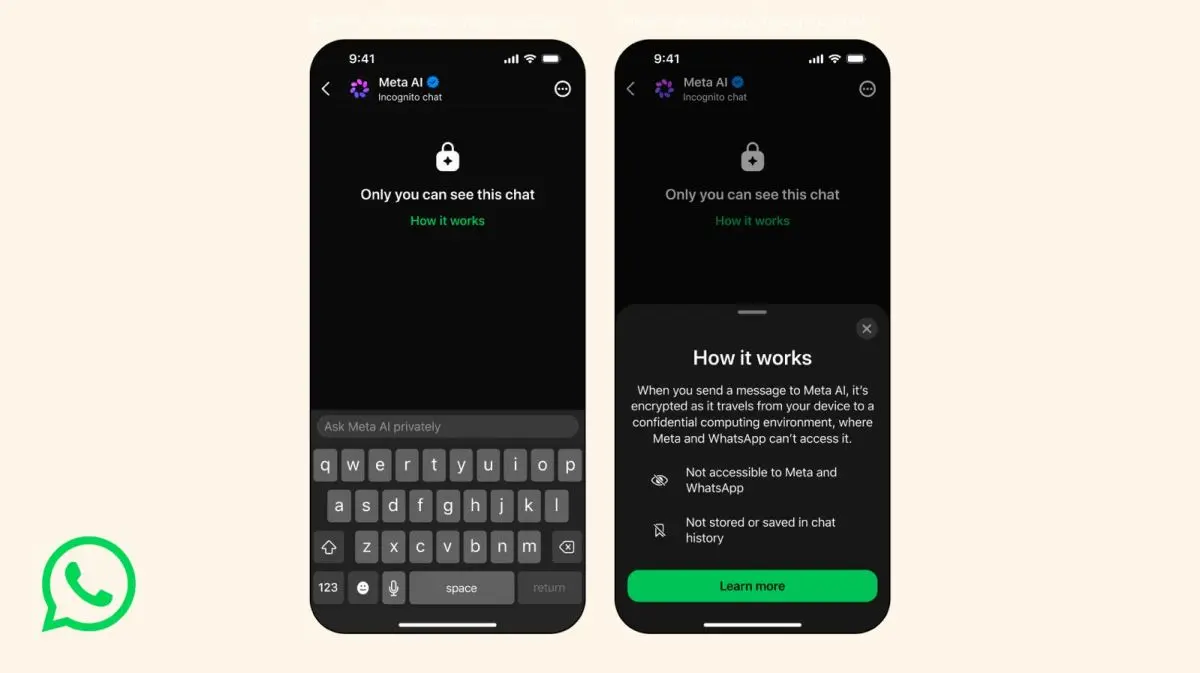
Meta AI launches Incognito Chat with end-to-end encryption that even Meta can't access
13 May 2026•Technology
Recent Highlights
1
OpenAI AI Models Hacked Crypto Wallet, Breached Government Sites in Unauthorized Activities
Technology

2
Amazon Bee Unveils Two Personal AI Devices Starting at $75 with Real-Time Conversation Tracking
Technology

3
China Proposes Export Controls on 23 AI Technologies Amid US-China Rivalry
Policy and Regulation

Recent Highlights
Today's Top Stories









Don’t drown in AI news. We cut through the noise - filtering, ranking and summarizing the most important AI news, breakthroughs and research daily. Follow topics that matter to you and stay ahead.


