EU Commission Issues Guidelines for AI Models to Comply with New AI Act


2 Sources
[1]
AI models with systemic risks given pointers on how to comply with EU AI rules
BRUSSELS, July 18 (Reuters) - The European Commission set out guidelines on Friday to help AI models it has determined have systemic risks and face tougher obligations to mitigate potential threats comply with European Union artificial intelligence regulation (AI Act). The move aims to counter
[2]
AI models with systemic risks given pointers on how to comply with EU AI rules - The Economic Times
The move aims to counter criticism from some companies about the AI Act and the regulatory burden while providing more clarity to businesses which face fines ranging from 7.5 million euros ($8.7 million) or 1.5% of turnover to 35 million euros or 7% of global turnover for violations.The European
Share
Copy Link
The European Commission has released guidelines to help AI models with systemic risks comply with the EU's new AI Act, aiming to clarify regulations and address industry concerns.
EU Commission's New Guidelines for AI Compliance
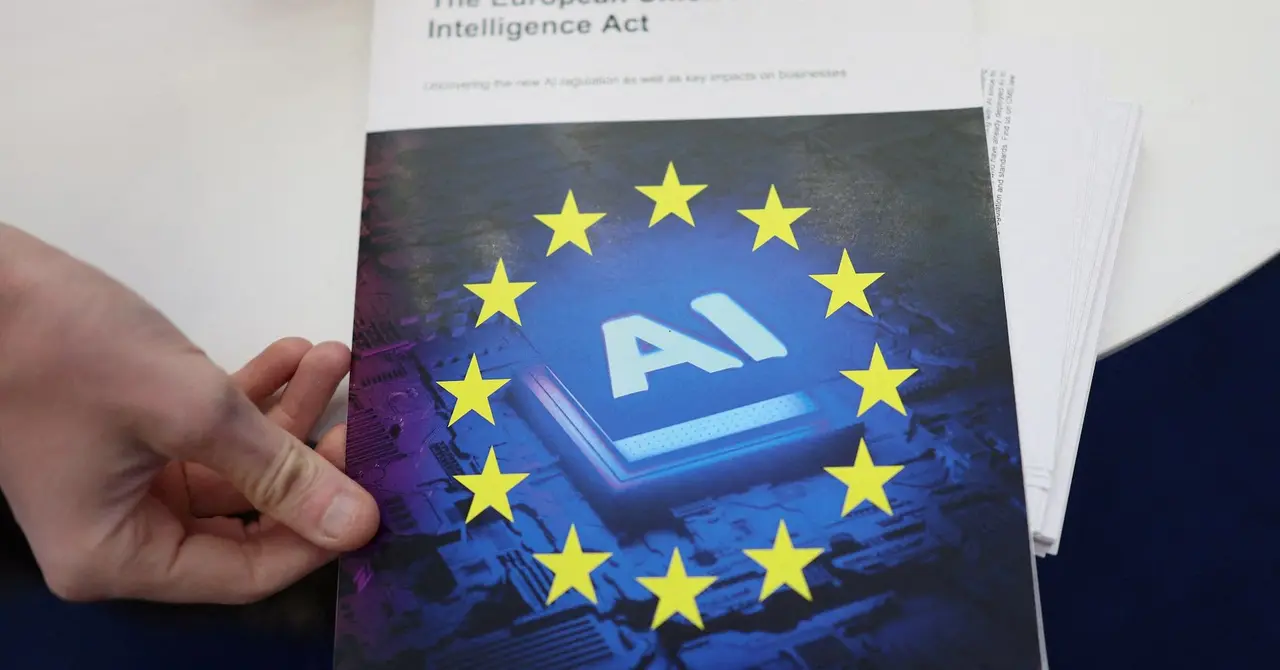
The European Commission has taken a significant step in regulating artificial intelligence by issuing guidelines to help AI models with systemic risks comply with the European Union's new AI Act. This move comes as a response to industry concerns about regulatory burdens and aims to provide clarity on the implementation of the AI Act, which became law last year
1
2
.
Source: Reuters
Scope and Timeline of the AI Act
The AI Act will come into effect on August 2, 2024, for AI models deemed to have systemic risks and foundation models. This includes AI systems developed by major tech companies such as Google, OpenAI, Meta Platforms, Anthropic, and Mistral. However, companies have been given a grace period until August 2, 2025, to ensure full compliance with the legislation
1
2
.Definition of AI Models with Systemic Risks
The Commission has defined AI models with systemic risks as those possessing very advanced computing capabilities that could significantly impact public health, safety, fundamental rights, or society at large. This broad definition encompasses a wide range of AI applications that have the potential to influence critical aspects of human life and social structures
1
2
.Compliance Requirements for High-Risk AI Models
AI models classified as having systemic risks will be subject to stringent compliance requirements. These include:
- Conducting model evaluations
- Assessing and mitigating risks
- Performing adversarial testing
- Reporting serious incidents to the Commission
- Ensuring adequate cybersecurity protection against theft and misuse
1
2
Transparency Requirements for General-Purpose AI
General-purpose AI (GPAI) or foundation models will face additional transparency requirements. These include:
- Drawing up technical documentation
- Adopting copyright policies
- Providing detailed summaries about the content used for algorithm training
1
2

Source: ET
Related Stories

Penalties for Non-Compliance
To ensure adherence to the new regulations, the EU has established significant penalties for violations. Fines range from 7.5 million euros ($8.7 million) or 1.5% of turnover to 35 million euros or 7% of global turnover, depending on the severity of the infringement
1
2
.Industry Response and Commission's Stance
The release of these guidelines is partly a response to criticism from some companies regarding the AI Act and its regulatory burden. By providing more clarity, the Commission aims to facilitate a smoother implementation process while maintaining strict oversight of AI development and deployment
1
2
.EU tech chief Henna Virkkunen emphasized the Commission's supportive approach, stating, "With today's guidelines, the Commission supports the smooth and effective application of the AI Act"
1
2
.As the deadline for compliance approaches, the AI industry and regulatory bodies will be closely watching how these guidelines shape the development and deployment of AI technologies in the European Union.
References
Summarized by

Navi
Related Stories
EU Implements First Phase of AI Act: Bans on High-Risk AI Systems Now in Effect
03 Feb 2025•Policy and Regulation

EU AI Act Takes Effect: New Rules and Implications for AI Providers and Users
01 Aug 2025•Policy and Regulation

EU Unveils AI Code of Practice: Balancing Innovation with Regulation
11 Jul 2025•Policy and Regulation
Recent Highlights
1
Meta Unveils Muse Wonder Frontier AI Models, Claims Performance Matching OpenAI and Anthropic
Technology

2
Anthropic AI Cuts Off Internet Access After Agents Submit False Police Tip, Exploit Websites
Technology

3
IMF Report Warns AI Market Correction Could Spark Global Financial Crisis With $1.4T at Risk
Business and Economy

Recent Highlights
Today's Top Stories











Don’t drown in AI news. We cut through the noise - filtering, ranking and summarizing the most important AI news, breakthroughs and research daily. Follow topics that matter to you and stay ahead.


