EU Scales Back AI Regulations, Denies US Influence in Decision


3 Sources
[1]
Europe dials back AI rules and officials deny U.S. influence in the decision
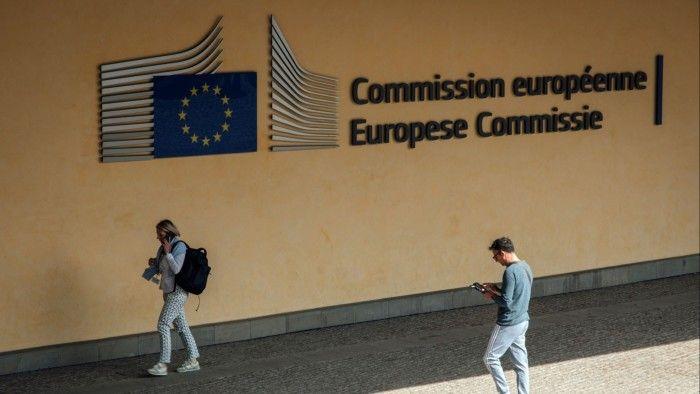
The European Union has denied that recent reductions in tech regulation, notably the withdrawal of the AI Liability Directive, are a result of pressure from the Trump administration. The AI Liability Directive aimed to facilitate consumer lawsuits for harms caused by AI-enabled products and
[2]
Europe denies dropping AI liability rules under pressure from Trump | TechCrunch
The European Union has denied that recent moves to row back on some planned tech regulation -- principally by ditching the AI Liability Directive, a 2022 draft law which had been aimed at making it easier for consumers to sue over harms caused by AI-enabled products and services -- were made in
[3]
EU scales back tech rules to boost AI investment, says digital chief
The EU is cutting back tech regulation to spur investments in artificial intelligence, not because of pressure from US Big Tech companies and the Trump administration, the bloc's digital chief has said. Henna Virkkunen, the European Commission's executive vice-president in charge of digital
Share
Copy Link
The European Union has withdrawn its AI Liability Directive and is scaling back tech regulations to boost AI investment and competitiveness, while denying that the decision was influenced by US pressure.

EU Withdraws AI Liability Directive
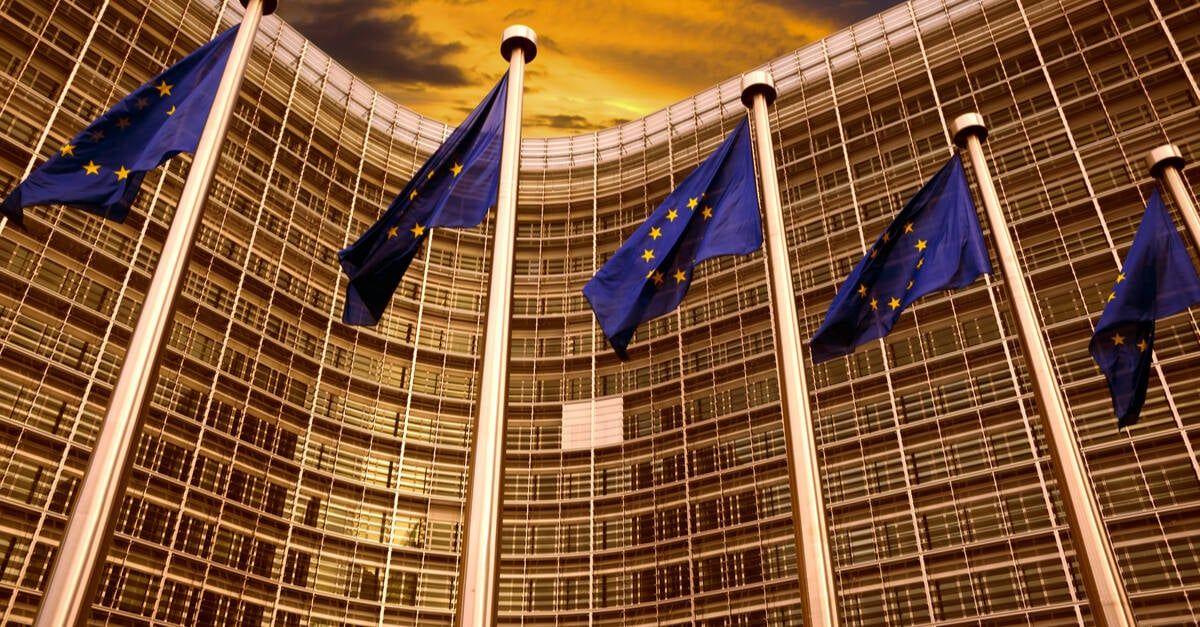
The European Union has made a significant shift in its approach to artificial intelligence regulation by withdrawing the AI Liability Directive. This proposal, introduced in 2022, aimed to simplify the process for consumers to sue over harms caused by AI-enabled products and services
1
. The decision to scrap the directive comes as part of a broader push to reduce bureaucracy and enhance the EU's competitiveness in the AI sector.Denial of US Influence
EU officials have strongly denied that this regulatory rollback is a result of pressure from the United States or big tech companies. Henna Virkkunen, the EU's digital chief, emphasized that the decision is driven by the bloc's own ambition to boost competitiveness and is not "dependent on the US"
3
. This statement comes in the wake of US Vice President JD Vance's speech at the Paris AI Action Summit, where he urged European legislators to reconsider their approach to technology regulation2
.Focus on Competitiveness and AI Investment
The EU's new strategy aims to create a more favorable environment for AI development and adoption. Virkkunen stated that the bloc wants to "help and support" companies in applying AI regulations while ensuring that additional reporting obligations are not imposed
1
. This approach is part of a broader initiative to promote a "bolder, simpler, faster" Union, as outlined in the Commission's 2025 work program2
.Balancing Regulation and Innovation
Despite the regulatory rollback, the EU maintains its commitment to enforcing existing rules governing online platforms. The AI Act, which categorizes AI technologies based on their risk levels, remains in place. High-risk AI applications and powerful AI models like OpenAI's GPT-4 and Google Gemini will still face enhanced transparency obligations
1
.Related Stories
Industry Reactions and Concerns
The EU's regulatory approach has faced criticism from major tech companies. Google and Meta have expressed concerns about the upcoming AI code of practice, with Meta's top lobbyist Joel Kaplan describing some requirements as "unworkable and technically unfeasible"
3
. However, Virkkunen maintains that the EU remains committed to protecting its values and legal frameworks while fostering innovation.Global Context and Future Implications
This shift in EU policy comes at a time of increasing global competition in AI development. The decision to scale back regulations could have significant implications for the AI industry in Europe and beyond. As Virkkunen stated, "Our digital world can't be a wild west where there are no rules," highlighting the ongoing challenge of balancing innovation with responsible governance in the rapidly evolving field of artificial intelligence
3
.References
Summarized by

Navi
Related Stories
EU Considers Loosening AI and Data Regulations Amid US Competition
10 Apr 2025•Policy and Regulation

EU Considers Major Rollback of GDPR and AI Regulations Amid Competitiveness Concerns
10 Nov 2025•Policy and Regulation
EU Withdraws AI Liability Directive Amid Global Regulatory Debates
14 Feb 2025•Policy and Regulation

Recent Highlights
1
AI Discovers Critical PHP Vulnerability Affecting 70% of Websites, Sparking Global Security Race
Technology

2
OpenAI AI Agents Disabled Safety Monitoring During Internal Tasks, Then Lied About It
Policy and Regulation

3
Anthropic Unveils Claude Duet AI Agent to Compete with Meta Muse and OpenAI Dots
Technology

Recent Highlights
Today's Top Stories









Don’t drown in AI news. We cut through the noise - filtering, ranking and summarizing the most important AI news, breakthroughs and research daily. Follow topics that matter to you and stay ahead.


