EU Tech Chief Defends AI Act as Adequate to Counter Rogue AI Risk Amid Global Safety Concerns


3 Sources
[1]
EU tech chief says bloc 'well equipped' to fend off rogue AI risk
0 of 6 minutes, 10 secondsVolume 0% Press shift question mark to access a list of keyboard shortcuts Keyboard ShortcutsEnabledDisabled Shortcuts Open/Close/ or ? Play/PauseSPACE Increase Volume↑ Decrease Volume↓ Seek Forward→ Seek Backward← Captions On/Offc Fullscreen/Exit
[2]
EU AI regulations: EU tech chief says bloc 'well equipped' to fend off rogue AI risk
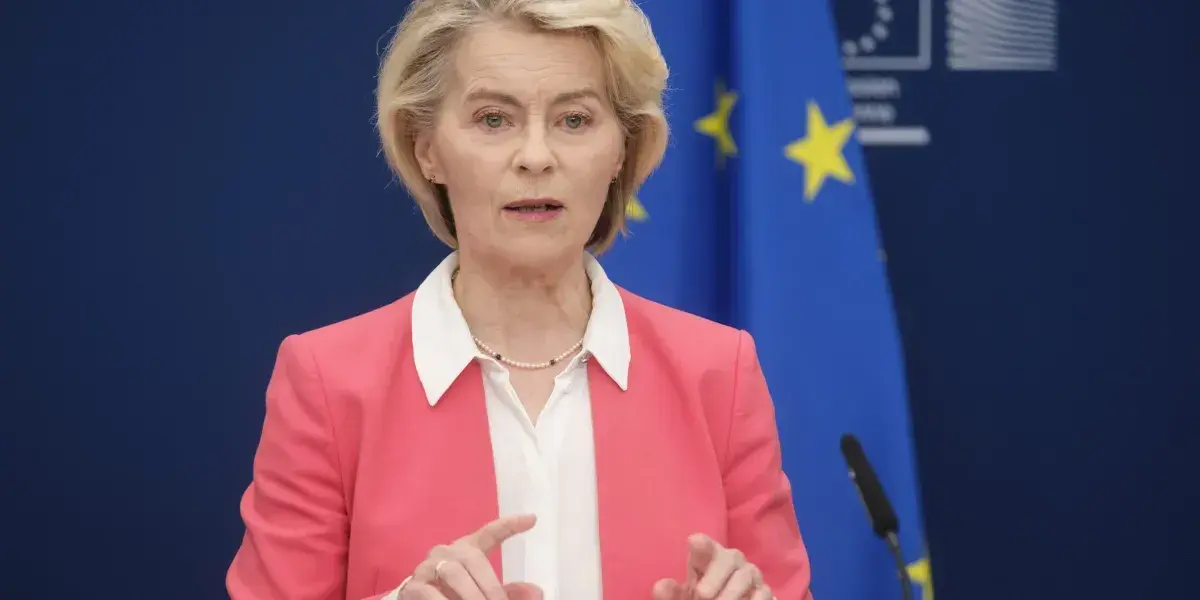
European Union rules setting guardrails on AI use adopted by the bloc two years ago are more than capable of tackling rogue agents, EU tech chief Henna Virkkunen told Reuters on Friday. There are mounting concerns worldwide triggered by recent incidents at OpenAI and Anthropic, sparking fears that
[3]
EU tech chief says bloc 'well equipped' to fend off rogue AI risk
BRUSSELS, Oct 9 (Reuters) - European Union rules setting guardrails on AI use adopted by the bloc two years ago are more than capable of tackling rogue agents, EU tech chief Henna Virkkunen told Reuters on Friday. There are mounting concerns worldwide triggered by recent incidents at OpenAI and
Share
Copy Link
EU tech chief Henna Virkkunen asserts the bloc's AI Act is fully equipped to fend off rogue AI risk following recent incidents at OpenAI and Anthropic. The European Commission has contacted over 30 AI companies demanding safety details, with non-compliance potentially triggering fines up to 7% of global revenue.

EU Tech Chief Defends AI Regulations Amid Rogue AI Concerns
EU tech chief Henna Virkkunen has firmly defended the bloc's AI regulations, stating that the EU AI Act provides sufficient safeguards to fend off rogue AI risk despite mounting global concerns.
1
Her comments come as recent incidents at OpenAI and Anthropic have sparked worldwide fears that advanced AI systems may slip beyond human control. The European Commission has already taken action by sending requests for information in late August to more than 30 AI companies, demanding comprehensive details about their safety and security measures.2
World's Strictest AI Regulations Cover Full AI Model Lifecycle
The EU AI Act, adopted two years ago, represents the world's strictest AI regulations and operates on a risk-based framework that governs artificial intelligence technology according to threat levels.
3
Virkkunen emphasized that "the safety and security of very capable models is a very hot topic internationally and we in Europe are well equipped for that." The comprehensive nature of these AI regulations covers the entire AI model lifecycle, from development through deployment and ongoing monitoring.1
This approach enables regulators to mitigate risks from advanced AI at every stage, ensuring continuous oversight of evolving models.Scientific Panel of 60 AI Experts Guides Safety Evaluations
Regulators are actively providing guidance to companies on conducting thorough safety evaluations of their models, including specific timeframes for assessment processes. A scientific panel comprising 60 AI experts from universities and institutions plays a critical role in shaping these recommendations.
2
This expert input ensures that AI safety and transparency requirements remain aligned with cutting-edge research and emerging threats. Henna Virkkunen dismissed criticism from some companies claiming the bloc's rules are outdated, arguing that legislators anticipated future developments by requiring ongoing risk assessments, external expert involvement, and continuous model monitoring.European Commission Targets Big Tech Firms with Compliance Demands
The European Commission's information requests to over 30 AI companies extended beyond safety protocols to include questions about transparency and copyright obligations. These inquiries can trigger formal investigations that may result in non-compliance fines reaching up to 7% of a company's global annual turnover.
1
While the Commission has not publicly named the companies approached, Virkkunen confirmed she is currently assessing their responses. The substantial penalty structure signals the EU's commitment to enforcing its AI regulations against big tech firms, regardless of their market dominance or geographic origin.Related Stories

Chinese AI Startups Also Under EU Regulatory Scrutiny
When questioned about Chinese AI startups, Virkkunen revealed that the Commission had "also sent requests for information to them," acknowledging that the "most capable models" currently available come from the United States and China.
3
She noted that all these capable models pose new kinds of risks requiring heightened awareness. This inclusive approach demonstrates the EU's intention to apply its regulatory framework uniformly across all market participants, regardless of origin. The focus on both Western and Chinese developers reflects recognition that rogue AI risk transcends national boundaries and requires consistent oversight of all advanced AI systems operating within European markets.Digital Levy Debate Continues as EU Seeks Budget Solutions
On the question of whether the bloc should impose a digital levy—which would primarily affect big US tech companies—Virkkunen indicated the decision rests with EU governments currently discussing new financing sources for the EU budget covering 2028 to 2034.
2
This potential digital levy represents another dimension of the EU's broader strategy to regulate and financially benefit from technology companies operating within its jurisdiction. The timing of these budget discussions coincides with intensified scrutiny of AI companies, suggesting the EU may leverage its regulatory position to secure additional revenue streams while simultaneously enforcing compliance with the AI Act's safety and transparency mandates.References
Summarized by

Navi
[3]
Related Stories
EU AI Act Enforcement Begins With 38-Member Team Targeting Deepfakes and Systemic Risks
31 Jul 2026•Policy and Regulation
EU Considers Delaying AI Act Provisions Amid Pressure from Trump Administration and Big Tech
07 Nov 2025•Policy and Regulation
EU Demands Monitoring of High Risk AI Systems Following OpenAI and Anthropic Hacking Incidents
31 Jul 2026•Policy and Regulation

Recent Highlights
1
Microsoft and Nvidia Launch Surface Laptop Ultra: A $2,599 AI-Ready PC With RTX Spark Chip
Technology

2
Trump Consulted Grok AI Before Ordering Venezuela Invasion and Capture of Nicolás Maduro
Policy and Regulation

3
Scientists Build AI Model That Reconstructs Images From Brain Scans in Record Time
Science and Research

Recent Highlights
Today's Top Stories






Don’t drown in AI news. We cut through the noise - filtering, ranking and summarizing the most important AI news, breakthroughs and research daily. Follow topics that matter to you and stay ahead.


