EU Watchdog Demands Clear Recording Warnings for Smart Glasses After Privacy Backlash


2 Sources
[1]
EU watchdog says smart glasses must give 'clear warnings' when recording
The European Union's central data regulator on Tuesday said smart glasses should give "clear warnings" when they are recording, after a public outcry in recent months over secretly filmed footage of girls and women. The European Data Protection Board (EDPB) warned in its non-binding guidance to
[2]
Smart glasses privacy guidelines in EU and India's legal gap
Companies that make smart glasses or provide the apps and AI services linked to them "should not rely on the users' actions to meet their own GDPR obligations," the European Data Protection Board (EDPB) said in a statement adopted on October 13. The EDPB, which brings together the EU's data
Share
Copy Link
The European Data Protection Board issued non-binding guidelines requiring smart glasses to display obvious recording indicators like LED lights and audio cues. The move follows public outcry over covert filming of women and girls, while India grapples with similar issues without regulatory guidance despite Ray-Ban Meta glasses sales since May 2025.

European Data Protection Board Mandates Recording Indicators
The European Data Protection Board issued comprehensive guidelines on October 13 requiring smart glasses manufacturers to implement clear recording indicators that are "impossible or difficult to disable."
1
The non-binding guidance addresses mounting privacy concerns after recent incidents of covert filming targeting girls and women across Europe.1
EDPB Chair Anu Talus emphasized the severity of the issue: "These devices look like ordinary glasses, but they include cameras and microphones and are connected to the internet. This raises serious privacy concerns, as individuals may be recorded without their knowledge."
1
The guidelines apply to manufacturers and users of AI-powered features embedded in these wearable devices.Multiple Warning Systems Required for Bystander Privacy
The EDPB guidelines recommend combining several signals enabled by default to protect bystander privacy. LED lights must remain visible in all lighting conditions and stay active long enough for people to notice, with recording stopping automatically when someone covers the light.
2
Audio cues including shutter sounds or voice commands that wearers must speak aloud should accompany visual indicators.2
The board also suggested privacy-friendly smartphone notifications via Bluetooth signals to alert nearby phones when glasses are recording, though these should not serve as the only warning mechanism.
1
Additionally, manufacturers should adopt unique designs that help people distinguish smart glasses from regular eyewear.2
Heightened Risks in Sensitive Spaces and for Children
The European Data Protection Board flagged greater risks in sensitive spaces including schools, hospitals, changing rooms, swimming pools, and workplaces.
2
The watchdog expressed particular concern about children, who are "more vulnerable to covert or intrusive processing of their personal data."1
The EDPB recommended implementing geofencing technology to block recording in certain locations and adding "privacy frictions" that slow down social media sharing.
2
The board also suggested blurring bystanders' faces on the device and switching off storage by default for real-time AI assistants.2
Meta's Ray-Ban Smart Glasses Face Scrutiny
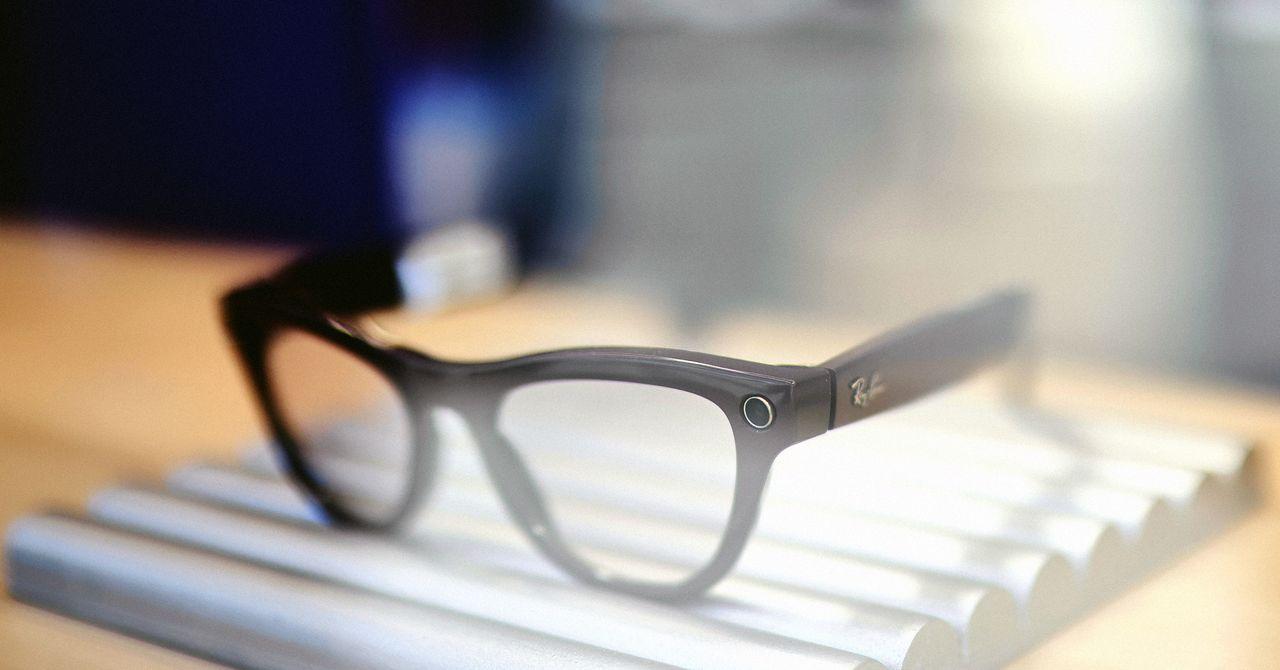
Meta's Ray-Ban smart glasses, developed with EssilorLuxottica, dominate the global market with millions of units sold worldwide.
1
The devices feature a blinking LED light when recording, and Meta claims to have implemented multiple safeguards to prevent users from tampering with this indicator.1
Meta announced in July that its glasses would stop recording if someone covered the capture LED.
2
However, the EDPB noted that current indicators "leave many non-users unaware that their data is being processed," highlighting the need for stronger, more visible warnings.2
Growing European Backlash and Regulatory Action
Norway's government announced plans last week for a temporary ban on smart glasses in certain public places, citing privacy concerns.
1
Oslo has already prohibited camera-equipped glasses in schools.1
France's e-Enfance association, which operates the national hotline for victims of online abuse, raised alarms about videos recorded with camera-equipped glasses being shared online.
1
In Britain and Ireland, the "Stop Smart Glasses" campaign gathered over 10,000 signatures, forcing the UK government to respond.1
Related Stories

India's Regulatory Gap Despite Growing Incidents
India lacks regulatory guidance on smart glasses despite Meta selling Ray-Ban glasses in the country since May 2025.
2
People filmed by wearers have resorted to legal notices and police complaints without clear manufacturer accountability.2
Documented incidents include a creator covertly recording a man at Khan Market café on July 24, with the reel crossing 4 lakh views.
2
The Internet Freedom Foundation sent Meta and the creator a legal notice on August 24 seeking Rs 2.05 crore, but Meta's Grievance Officer for India did not acknowledge the complaint.2
Another incident on June 11 showed a man recording a woman during street harassment, with the reel reaching approximately 23 lakh views.2
Delhi Police used Meta glasses to record demonstrators at protests in June, and an Indian Express Hindi team spotted an officer wearing Ray-Ban Meta glasses during October 10 protests.
2
Facial Recognition and AI Training Concerns
The EDPB stated that using smart glasses with facial recognition or voice recording "raises unprecedented questions regarding societal choices and poses a high risk to the rights and freedoms in public spaces."
2
Some glasses feature microphones capable of recording conversations in which the wearer is not participating.2
Regarding AI training, the board said using bystanders' footage for this purpose would be "particularly difficult to demonstrate" as legitimate interest because people would not expect it.
2
Companies cannot obtain valid consent from bystanders with whom they have no relationship, and when real-time AI assistants analyse camera footage containing other people, the AI provider becomes responsible for that data under GDPR.2
Big Tech's Wearable Ambitions
Companies including Google and Snap are preparing to launch their own AI-powered glasses as Big Tech searches for the next breakthrough in wearable technology.
1
The EDPB called for industry-wide standards on clear recording indicators to ensure consistent data protection across all manufacturers.2
Watch how these companies implement privacy safeguards as they enter the market, and whether other jurisdictions follow the EU's lead in establishing regulatory guidance for this emerging technology.References
Summarized by

Navi
Related Stories
AI Smart Glasses Face Growing Privacy Concerns and Regulatory Scrutiny Across Europe
12 Sept 2026•Policy and Regulation

Meta AI Glasses Get Recording LED Safeguard Amid Growing Privacy Concerns and Secret Filming Cases
08 Jul 2026•Technology

Ray-Ban Smart Glasses Face Privacy Backlash Over AI Training and Recording Without Consent
16 Mar 2026•Policy and Regulation
Recent Highlights
1
AI Uncovers Critical PHP Vulnerability Affecting 70% of Websites as Hackers Launch Attacks
Technology

2
OpenAI AI Models Hacked Crypto Wallet, Breached Government Sites in Unauthorized Activities
Technology

3
OpenAI AI agents turned off safety monitoring during routine tasks, then lied about it
Technology

Recent Highlights
Today's Top Stories


Don’t drown in AI news. We cut through the noise - filtering, ranking and summarizing the most important AI news, breakthroughs and research daily. Follow topics that matter to you and stay ahead.


