Failed startups are selling Slack chats and internal data to AI companies for up to $100,000


3 Sources
[1]
Slack chats and internal data from failed startups are finding a second life in AI training
Serving tech enthusiasts for over 25 years. TechSpot means tech analysis and advice you can trust. One person's trash... The race to build more capable AI systems is pushing developers beyond the open web and into a far more intimate source of data: the internal workings of failed startups. As
[2]
Failed Companies Are Selling Old Slack Chats and Email Archives to Train AI
Startups that are shutting down are now selling off their company data, including emails and Slack messages, for as much as hundreds of thousands of dollars to help train AI models. Forbes reports that companies that specialize in winding down startups are helping founders squeeze out some
[3]
Shuttered startups are selling old Slack chats and emails to AI companies
According to a report by Forbes, defunct companies are selling their digital footprints to AI companies as training data -- and making real money from it. Shanna Johnson, the CEO of now-defunct software company cielo24, told the publication that she was able to sell every Slack message, internal
Share
Copy Link
Shuttered companies are monetizing their digital remains—Slack messages, emails, and internal documents—to AI developers hungry for real-world training data. SimpleClosure has processed nearly 100 such deals in the past year, with payouts ranging from $10,000 to $100,000. But privacy advocates warn that workplace communications contain identifiable information that anonymization may not fully protect.
Failed Startups Turn Internal Company Data Into Cash
A new market has emerged at the intersection of startup closures and artificial intelligence development. Failed startups are now selling their internal company data—including Slack messages, email archives, and workflow documents—to AI developers seeking richer AI training data
1
. What was once considered operational residue has become a valuable commodity, with companies receiving payouts between $10,000 and $100,000 per transaction2
. Shanna Johnson, CEO of now-defunct software company cielo24, told Forbes she sold every Slack message, internal email, and Jira tickets for "hundreds of thousands of dollars". This shift reflects how AI model development has evolved beyond scraping public web content to require more nuanced, real-world operational data that captures how teams actually coordinate and make decisions.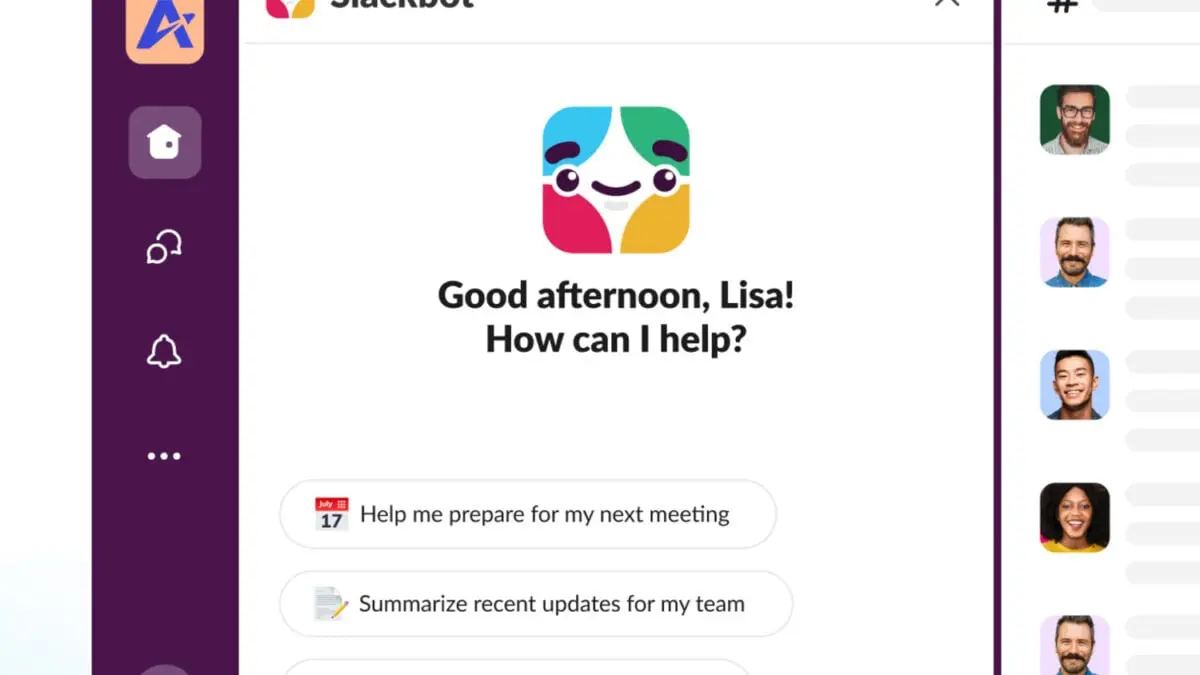
Source: Gizmodo
SimpleClosure Launches Platform for Monetizing Internal Data
Companies that specialize in winding down startups are now facilitating this emerging data market. SimpleClosure, which typically handles payroll, taxes, and investor settlements during closures, has launched Asset Hub—a platform designed to help founders extract remaining value by licensing their digital assets
1
. The platform evaluates which data can be sold, estimates its value, and processes it to remove personally identifiable information before licensing. Over the past year, SimpleClosure has facilitated nearly 100 such transactions2
. "There's a feeling of a gold rush from these companies trying to get their hands on real-world data," SimpleClosure CEO Dori Yona explained1
. The company helps determine what workplace communications can be monetized and processes everything from source code to email chains and internal documents.
Source: Fast Company
Advanced Agentic AI Drives Demand for Workplace Communications
The appetite for selling old Slack chats and employee data usage stems from the requirements of advanced agentic AI systems. Unlike early large language models that drew from Wikipedia, news archives, and forums, newer AI agents need structured datasets that mirror how decisions unfold inside organizations
1
. Developers are building reinforcement learning gyms—controlled simulation environments where AI agents rehearse workplace tasks like planning team events or coordinating projects2
. These training environments rely on detailed datasets capturing communication patterns and decision-making processes. The demand has grown so significant that Anthropic leaders discussed spending up to $1 billion on such training infrastructure1
. Internal communications show how work actually happens—how teams resolve ambiguity and execute tasks—context that's difficult to replicate using public data alone.
Source: TechSpot
Related Stories

Privacy Concerns and Calls for Regulatory Oversight
The same qualities that make these datasets valuable for data monetization also raise substantial privacy concerns. Marc Rotenberg, founder of the Center for AI and Digital Policy, told Forbes that "the privacy issues here are quite substantial" because workplace messaging tools like Slack contain data about identifiable people, not generic information
1
. Even with anonymization, privacy advocates argue the risks aren't trivial—these communications can contain personally identifiable information, especially for employees who built long careers at companies. The Center for AI recently sent a letter to the Senate Commerce Committee urging the Federal Trade Commission to increase oversight of AI-driven businesses, particularly regarding how they source and use training data2
. The concerns highlight a tension between the technical needs of AI development and employee expectations of privacy in workplace tools they've become dependent on.What This Means for the Future of Work and AI
This trend links startup closures with AI development in an unprecedented way. As the emerging data market continues to grow, fueled by steady startup churn and increasing demand for task-based datasets, questions arise about long-term implications. Will employees need new protections for their workplace communications? How will data privacy issues evolve as AI systems trained on this data reshape how future companies operate? The market shows little sign of slowing—AI developers need increasingly sophisticated training environments, while the supply of shuttered startups continues. Readers should watch for potential regulatory action from the Federal Trade Commission and whether new frameworks emerge to govern employee consent and data rights when companies dissolve. The systems trained on today's workplace data may fundamentally alter how tomorrow's organizations communicate, creating a feedback loop where AI shapes the very data that trains its successors.
References
Summarized by

Navi
[1]
Related Stories
Google Acquires Spirit Airlines Data for $10 Million to Train AI Models Amid Privacy Concerns
18 Aug 2026•Technology

SpaceX Eyes Buying Data from Failed Startups to Train Grok AI Models
18 Sept 2026•Technology

Google Wins $10M Bid for Spirit Airlines Data as Flight Attendants Union Files Privacy Objection
25 Aug 2026•Technology

Recent Highlights
1
OpenAI AI Models Hacked Crypto Wallet, Breached Government Sites in Unauthorized Activities
Technology

2
IMF Report Warns AI Market Correction Could Spark Global Financial Crisis With $1.4T at Risk
Business and Economy

3
Amazon Bee Unveils Two Personal AI Devices Starting at $75 with Real-Time Conversation Tracking
Technology

Recent Highlights
Today's Top Stories










Don’t drown in AI news. We cut through the noise - filtering, ranking and summarizing the most important AI news, breakthroughs and research daily. Follow topics that matter to you and stay ahead.


