FBI deploys AI-powered forensics in White House Correspondents' Dinner attack investigation


2 Sources
[1]
How AI helped the FBI investigate the White House Correspondents' Dinner attack
Why it matters: Law enforcement agencies are turning to AI tools to sift through the growing volumes of digital evidence generated in criminal investigations. * They've also started using the tools to jumpstart cold cases, missing persons investigations and trial preparations, as Axios has
[2]
FBI reportedly turned to AI after the White House Correspondents' Dinner attack, here's how it works
AI-powered forensic software played a role in the FBI's investigation into the 2026 White House Correspondents' Dinner attempted assassination. Exterro's FTK Suite, used to sift through vast digital evidence like seized devices and social media, highlights AI's growing importance in law
Share
Copy Link
The FBI used AI-powered digital forensics software from Exterro during the critical 48-hour period following the 2026 White House Correspondents' Dinner attack. The platform helped investigators process seized devices, social media accounts, and digital evidence before filing charges against Cole Thomas Allen, highlighting how AI in law enforcement is becoming standard practice for handling massive volumes of digital evidence.
FBI Investigation Leverages AI-Powered Digital Forensics
The FBI investigation into the attempted assassination at the 2026 White House Correspondents' Dinner relied on AI-powered digital forensics technology during the crucial 48-hour window between the incident and criminal charges being filed against Cole Thomas Allen
1
. Digital forensics company Exterro confirmed to Axios that federal investigators used its FTK Suite platform to process the massive amounts of digital evidence collected in connection with the case1
. While the company could not disclose specific details about how the FBI used its tools, the investigation of the White House Correspondents' Dinner attack demonstrates how AI in law enforcement is rapidly becoming essential for modern criminal investigations.Processing Large Volumes of Digital Evidence at Speed

Source: Axios
The Justice Department previously revealed that investigators examined seized devices, cloud and email accounts, travel and financial records, surveillance footage, and metadata from the Washington Hilton, where the dinner took place
1
. Exterro's FTK Suite provides an on-premises deployment platform that allows investigators to organize evidence from a case in a single repository that authorized users can access simultaneously1
. The platform is primarily designed to help investigators process and organize large volumes of digital evidence after it has been collected, addressing a growing challenge as digital devices generate enormous amounts of potential evidence2
.AI Assistant for Investigators Enables Natural Language Queries

Source: ET
Investigators can interact with the platform's embedded AI assistant for investigators using natural language queries instead of manually reviewing thousands of files
1
. According to demonstrations presented to Axios, users can query the system with prompts like "Find all pictures of dogs" or "Show me images and videos where this suspect shows up"1
. Investigators can also ask questions such as "Was this particular person at this location at this date and time?" allowing analysts to focus their attention on information that may be most relevant to a case2
. This capability accelerates evidence review rather than replacing human investigators, who remain responsible for reviewing evidence and making charging decisions1
.Security and Privacy Through On-Premises Deployment
Exterro does not train its AI models on customer data, and the platform can be deployed in highly secure locations where investigators may not have access to the internet or cloud services
1
. "We allow it to be deployed in some of the most secure locations globally," Harsh Behl, vice president of product management at Exterro, told Axios. "Investigators may not have access to the internet or cloud, so we allow it to be deployed in the customer premises and the data never leaves their premises"1
. The company's customers include law enforcement agencies and around 40 Fortune 100 companies1
.Related Stories

Deepfake Detection and Legal and Ethical Concerns
While AI-powered digital forensics is turning into a boon for investigators, courts are increasingly running into the problem of trying to validate AI-assisted evidence to ensure it wasn't AI-created or manipulated
1
. Exterro's platform includes digital forensics tools designed to help identify potential deepfakes, addressing concerns about deepfake detection as sophisticated AI-generated content becomes more prevalent1
. "Our product touches the lives of people every day and has a direct impact on people's lives," Behl said. "Based on the findings from our tool, somebody could be proved to be guilty or not, and that is the gravitas"1
. Legal experts have raised important questions about transparency, accuracy, and accountability as courts face the challenge of determining whether digital evidence has been altered using AI technologies2
.Broader Adoption Across Law Enforcement Agencies
Law enforcement agencies are turning to AI tools to sift through the growing volumes of digital evidence generated in criminal investigations, and they've also started using the tools to jumpstart cold cases, missing persons investigations and trial preparations
1
. The reported use of AI-assisted forensic software reflects a broader trend across law enforcement agencies worldwide as investigators increasingly rely on advanced software to process information more efficiently2
. AI is becoming a standard tool for reviewing digital evidence, suggesting the debate is shifting from whether investigators should use AI to how they validate and defend AI-assisted findings in court1
. These systems can help identify patterns, organize files, and reduce the time required to examine millions of digital records, though the challenge of ensuring accuracy and accountability in high-stakes criminal cases remains a critical concern for both law enforcement and the legal system2
.References
Summarized by

Navi
Related Stories
FBI Director Kash Patel claims AI has prevented school shootings, but evidence remains contested
06 May 2026•Policy and Regulation

FBI AI Usage Surges 605% Under Kash Patel, Helping Stop Half a Dozen School Shootings
20 Sept 2026•Policy and Regulation
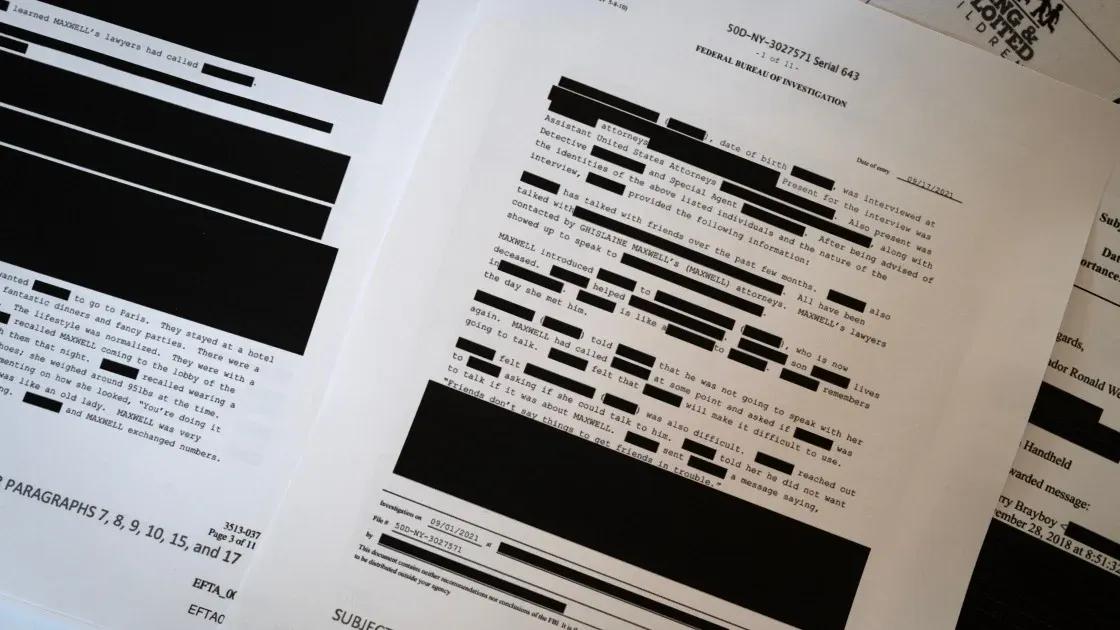
US Government to Use AI Redaction Tools for Over 140,000 FOIA Requests
28 Sept 2026•Policy and Regulation
Recent Highlights
1
Meta Unveils Muse Wonder Frontier AI Models, Claims Performance Matching OpenAI and Anthropic
Technology

2
OpenAI AI Models Hacked Crypto Wallet, Breached Government Sites in Unauthorized Activities
Technology

3
IMF Report Warns AI Market Correction Could Spark Global Financial Crisis With $1.4T at Risk
Business and Economy

Recent Highlights
Today's Top Stories









Don’t drown in AI news. We cut through the noise - filtering, ranking and summarizing the most important AI news, breakthroughs and research daily. Follow topics that matter to you and stay ahead.


