FCC Proposes Ban on Chinese Tech in Undersea Cables to Secure US AI Infrastructure


4 Sources
[1]
The FCC wants to ban Chinese tech from the undersea cables that connect the U.S. to the rest of the world -- proposed new rules would 'secure cables against foreign adversaries'
FCC chairman Brendan Carr said in a statement that the commission is looking to defend U.S. infrastructure against a variety of threats. The FCC announced yesterday that it plans to vote on new rules "to unleash submarine cable investment to accelerate the buildout of AI infrastructure, while
[2]
FCC targets removal of Chinese tech in subsea cables
Maybe finish ripping and replacing your telco networks first? Uncle Sam has decided it's time to free US-connected undersea cables from Chinese influence. FCC chairman Brendan Carr announced on Wednesday that the Commission would vote next month on a rule that will not only secure undersea cables
[3]
FCC moves to ban Chinese tech from undersea cables
Serving tech enthusiasts for over 25 years. TechSpot means tech analysis and advice you can trust. What just happened? It seems the next technology to be banned by the US for featuring Chinese components will be undersea cables. The FCC has announced that it will vote on rules that will, among
[4]
US government wants to ban Chinese technology in submarine cables
This includes a default denial of contracts to Chinese firms A recent proposal by the FCC outlines plans to 'unleash submarine cable investment' in order to 'accelerate the buildout of AI infrastructure' across the US, whilst also making efforts to, 'secure cables against foreign adversaries, like
Share
Copy Link
The FCC plans to vote on new rules to ban Chinese technology from undersea cables connecting the US to the world, aiming to secure critical infrastructure and accelerate AI development while protecting against foreign threats.
FCC's Proposed Ban on Chinese Tech in Undersea Cables
The Federal Communications Commission (FCC) has announced plans to vote on new rules that would ban Chinese technology from undersea cables connecting the United States to the rest of the world. This proposal, spearheaded by FCC Chairman Brendan Carr, aims to secure critical infrastructure against foreign threats while accelerating the development of AI technology in the US
1
2
.The Importance of Undersea Cables
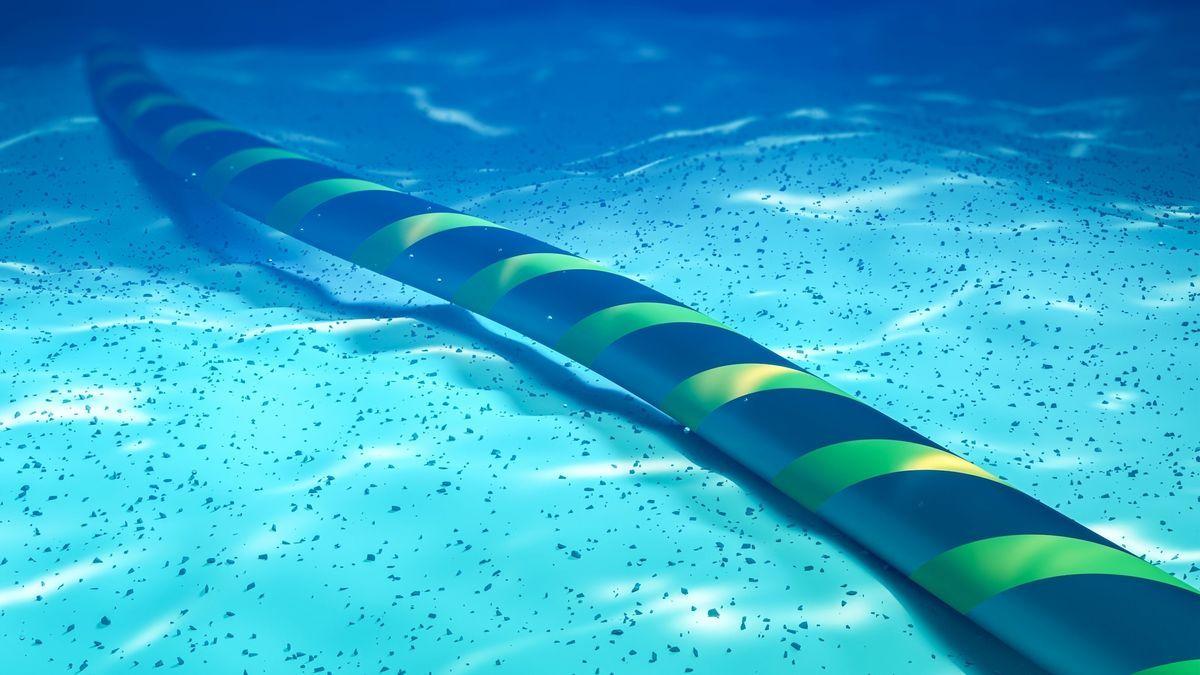
Submarine cables are crucial to global communications, carrying 99% of all international internet traffic and handling approximately $10 trillion in daily financial transactions
1
4
. As Carr stated, "As the U.S. builds out the data centers and other infrastructure necessary to lead the world in AI and next-gen technologies, these cables are more important than ever"2
.
Source: Tom's Hardware
Proposed Measures
The FCC's proposal includes several key measures:
- Presumptive denial of license applications from certain foreign adversary-controlled entities
- Limitations on capacity leasing agreements with such entities
- Prohibition of "covered" equipment in undersea cable infrastructure
- Establishment of cybersecurity and physical security requirements
- Streamlining of the Commission's license review procedures
1
These rules would apply to companies on the FCC's entity list, which includes Chinese tech giants Huawei and ZTE
3
.Incentives and Exemptions
The proposal also includes incentives for using American submarine cable repair and maintenance ships and trusted technology abroad. It suggests a "presumptive entire exemption from Team Telecom review" for license applications meeting high-level security standards
1
.Recent Threats to Undersea Infrastructure

Source: TechSpot
The FCC's move comes in response to recent threats to submarine cable infrastructure. In November 2024, two undersea cables connecting Finland and Sweden to Europe were cut, with evidence suggesting deliberate sabotage by a Chinese bulk carrier
1
. Additionally, China has reportedly developed a deep-sea cable-cutting device capable of severing fortified underwater communication and power lines at depths of up to 4,000 meters3
.Related Stories

Challenges and Precedents
This proposal follows previous efforts to remove Chinese technology from US communications infrastructure. In 2019, equipment made by Huawei and ZTE was banned from American telecommunications networks
1
. However, implementing such bans has proven challenging, as evidenced by the ongoing "rip and replace" program for rural operators, which has faced funding shortfalls and delays2
.
Source: TechRadar
Global Implications
The FCC's proposed rules could have significant implications for global communications infrastructure and international relations. As submarine cables are critical for worldwide internet connectivity and financial transactions, any changes to their management and security could impact global digital communication and commerce
4
.As the FCC prepares to vote on these new rules, the tech industry and international observers will be closely watching the outcome and its potential effects on the future of global communications infrastructure and AI development.
References
Summarized by

Navi
[2]
Related Stories
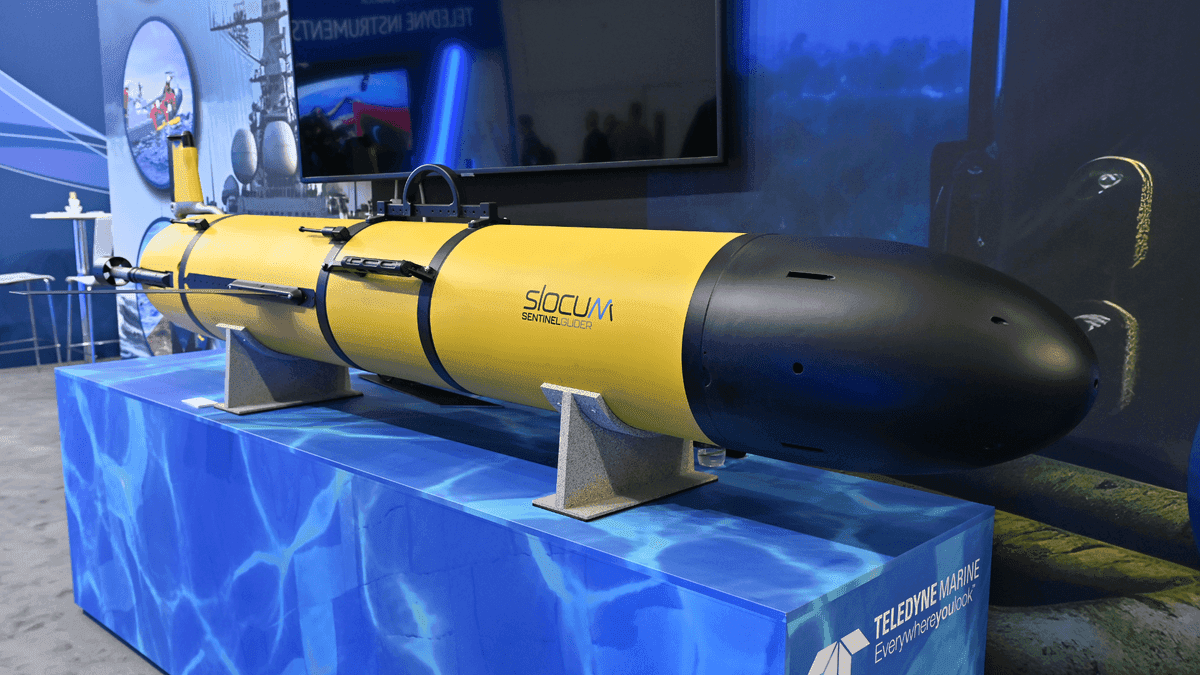
US, UK, and Australia Deploy Undersea Drones to Shield $1.8 Trillion Infrastructure from Sabotage
02 Jun 2026•Technology
US Ban on Chinese AI Hardware Could Disrupt Data Centers and Raise Costs for Amazon, Microsoft
04 Aug 2026•Policy and Regulation

US Lawmakers Move to Ban Chinese Optical Transceivers From Government AI Data Centers
26 Sept 2026•Policy and Regulation
Recent Highlights



Recent Highlights
Today's Top Stories



Don’t drown in AI news. We cut through the noise - filtering, ranking and summarizing the most important AI news, breakthroughs and research daily. Follow topics that matter to you and stay ahead.


