US Lawmakers Move to Ban Chinese Optical Transceivers From Government AI Data Centers


4 Sources
[1]
US lawmakers aim to keep China's datacenter tech out of sensitive government systems
WASHINGTON, Sept 25 (Reuters) - A bipartisan group of US lawmakers introduced legislation on Friday to bar the federal government from equipping sensitive government systems with Chinese-made components used to transmit data in AI data centers. The devices, known as optical transceivers, allow
[2]
US Lawmakers Aim to Keep China's Datacenter Tech Out of Sensitive Government Systems
WASHINGTON, Sept 25 (Reuters) - A bipartisan group of US lawmakers introduced legislation on Friday to bar the federal government from equipping sensitive government systems with Chinese-made components used to transmit data in AI data centers. The devices, known as optical transceivers, allow
[3]
Bipartisan Lawmakers Seek to Bar a Chinese AI Data Center Component From Sensitive US Government Systems:
On Friday, Sens. John Cornyn (R-Texas), Dave McCormick (R-Pa.), John Fetterman (D-Pa.) and Ruben Gallego (D-Ariz.) introduced legislation that would prevent the federal government from using optical transceivers made by Chinese companies Eoptolink and Zhongji Innolight in sensitive systems. US
[4]
US lawmakers aim to keep China's datacenter tech out of sensitive government systems
WASHINGTON, Sept 25 (Reuters) - A bipartisan group of US lawmakers introduced legislation on Friday to bar the federal government from equipping sensitive government systems with Chinese-made components used to transmit data in AI data centers. The devices, known as optical transceivers, allow
Share
Copy Link
A bipartisan group of US lawmakers introduced legislation to prohibit Chinese-made optical transceivers from sensitive government systems, targeting manufacturers Eoptolink and Zhongji Innolight. The move intensifies national security concerns but raises questions about potential supply chain disruptions in America's AI infrastructure buildout.
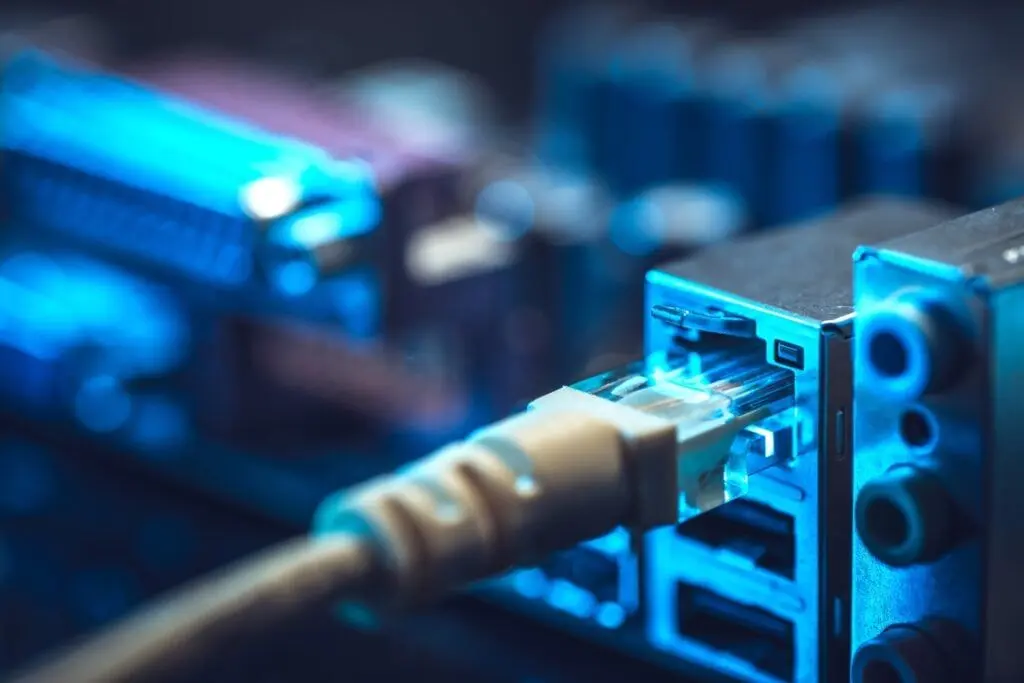
Bipartisan Legislation Targets Chinese Components in Government AI Systems
A bipartisan group of US lawmakers introduced legislation on Friday to bar the federal government from using Chinese-made optical transceivers in sensitive government systems
1
. The bill, sponsored by Republicans John Cornyn and Dave McCormick alongside Democrats John Fetterman and Ruben Gallego, specifically targets components manufactured by China's Eoptolink and Zhongji Innolight2
. These optical transceivers allow data to travel over fiber-optic cables at the speed of light and sit at the heart of the US AI infrastructure rollout, with some AI data centers requiring millions of them1
.National Security Concerns Drive Restrictions on Chinese Datacenter Tech
Supporters of the US legislation argue that Chinese-made optical transceivers could be exploited by Beijing to disrupt access to US AI tools and cloud services
3
. Senator McCormick stated, "We shouldn't rely on China for technologies that are essential to our national security," while Cornyn emphasized that "critical government communication and information systems must be safe, reliable, and free of any foreign interference"1
. The legislation adds pressure on Chinese optical transceiver makers, which currently dominate the market for parts critical to AI data centers2
. Notably, Zhongji Innolight has already been added to a Pentagon list of alleged Chinese military-backed companies4
.Industry Warns of Supply Chain Disruptions and AI Competitiveness Risks
The US technology industry has raised concerns that restricting Chinese suppliers could slow the US AI infrastructure buildout and potentially cede ground to China in geopolitical competition
1
. The Information Technology Industry Council sent a letter to the FCC on August 13 urging the telecoms watchdog to "refrain from adding optical transceivers" to a trade blacklist, emphasizing potential supply disruptions that could affect data center deployment and U.S. AI leadership2
. US-based firms Coherent and Lumentum sell competitive technology but currently lack the scale to replace Chinese vendors, according to a Foundation for American Innovation report3
. This capacity gap presents a significant challenge as hyperscalers scramble to find alternative suppliers amid surging computing demand.Related Stories

Implementation Timeline and Regulatory Authority
If approved, the legislation would give the government five years to comply with the restrictions on Chinese-made optical transceivers in sensitive government systems
4
. The bill grants the Secretaries of Commerce and Defense authority to add additional companies to the restricted list beyond Eoptolink and Zhongji Innolight1
. This provision suggests lawmakers anticipate the need for flexibility as US-China tensions evolve and new security concerns emerge around foreign interference in critical infrastructure. The extended compliance period acknowledges the practical challenges of transitioning away from Chinese datacenter tech while domestic manufacturers scale production capacity to meet demand from AI data centers across government and commercial sectors.References
Summarized by

Navi
[3]
Related Stories
US Ban on Chinese AI Hardware Could Disrupt Data Centers and Raise Costs for Amazon, Microsoft
04 Aug 2026•Policy and Regulation

US Lawmakers Introduce Bill to Ban Chinese AI in Federal Agencies Amid Escalating Tech Rivalry
25 Jun 2025•Policy and Regulation

Senators Push SAFE Chips Act to Block Advanced AI Chips Sales to China for 30 Months
05 Dec 2025•Policy and Regulation
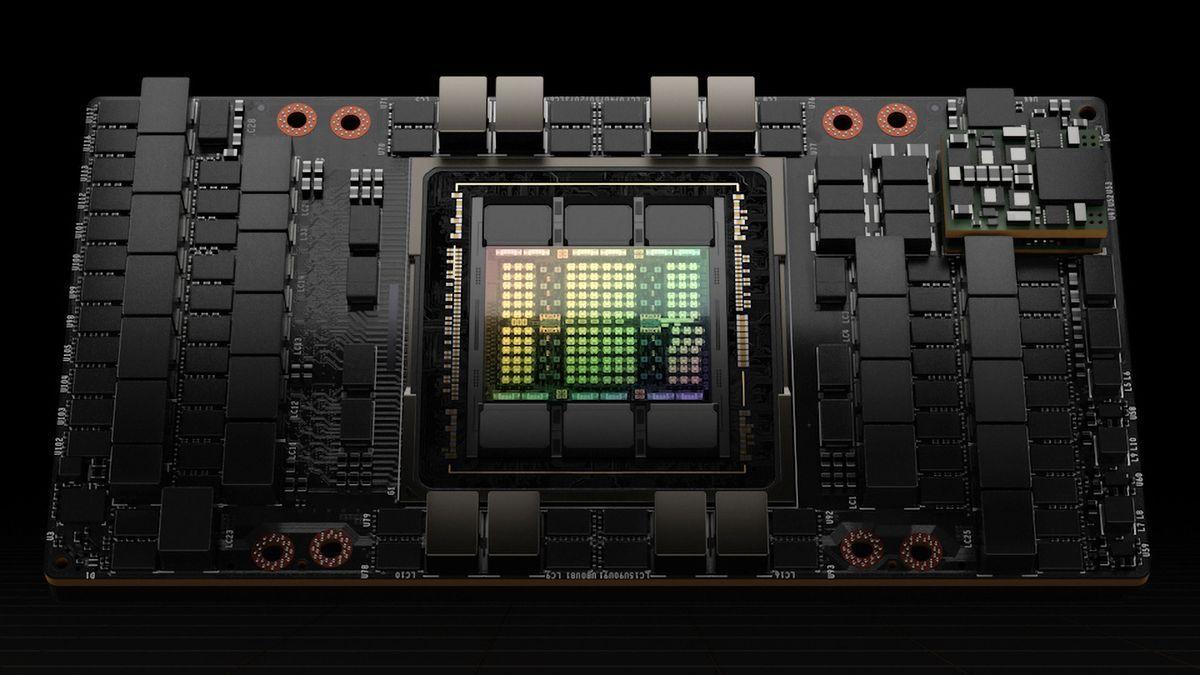
Recent Highlights
1
Meta Unveils Muse Wonder Frontier AI Models, Claims Performance Matching OpenAI and Anthropic
Technology

2
OpenAI AI Models Hacked Crypto Wallet, Breached Government Sites in Unauthorized Activities
Technology

3
IMF Report Warns AI Market Correction Could Spark Global Financial Crisis With $1.4T at Risk
Business and Economy

Recent Highlights
Today's Top Stories







Don’t drown in AI news. We cut through the noise - filtering, ranking and summarizing the most important AI news, breakthroughs and research daily. Follow topics that matter to you and stay ahead.


